Asian Markets Edge Higher Despite Rising Middle East Tensions and Oil Surge

Asian Markets Edge Higher Despite Rising Middle East Tensions and Oil Surge
By
David Goldfarb
Last updated:
April 6, 2026
First Published:
April 25, 2026

Asian equity markets opened the week on a cautiously optimistic note, even as geopolitical tensions in the Middle East intensified and energy markets remained under pressure. Trading activity was relatively subdued due to multiple regional holidays, but key benchmarks in Japan and South Korea managed to post gains as investors balanced risk with selective buying.
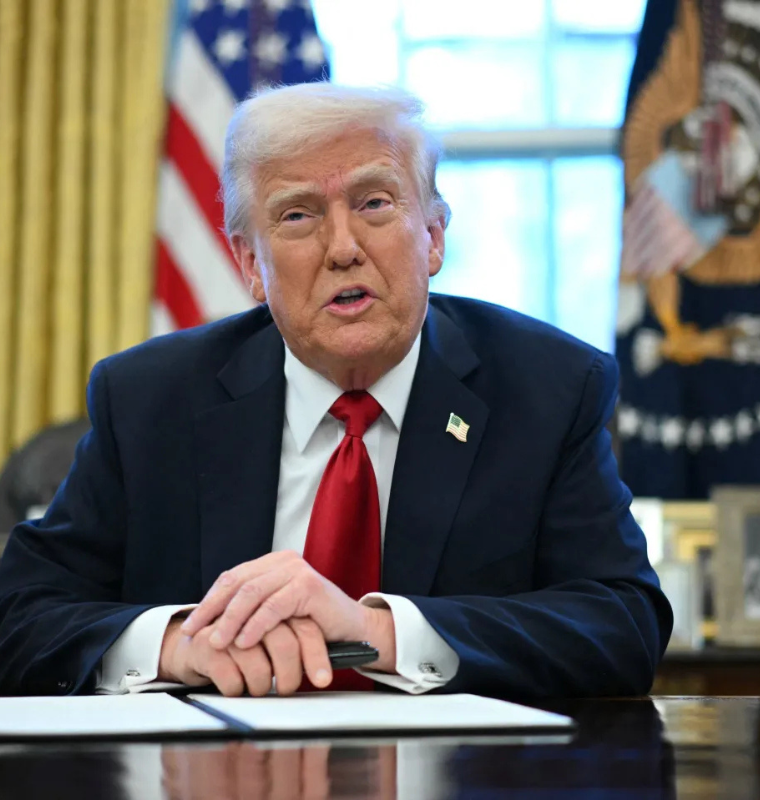
Markets are being driven largely by developments surrounding U.S. policy toward Iran, as President Donald Trump issued a renewed ultimatum demanding the full reopening of the Strait of Hormuz. The strategic waterway, which typically handles close to 20% of global oil shipments, has become the focal point of the ongoing conflict that began in late February.
Geopolitics Takes Center Stage
Investor sentiment remains fragile as Washington ramps up pressure on Tehran. Trump has set a firm deadline for Iran to comply, warning of potential military action targeting critical infrastructure, including power grids, if demands are not met. The administration has also indicated that diplomatic talks are ongoing, with a narrow window for a possible agreement.
Iran, however, has rejected these demands, insisting that any reopening of the Strait of Hormuz must be tied to financial compensation for damages sustained during the conflict. Meanwhile, hostilities have continued across the Gulf region, with strikes targeting key economic and energy infrastructure, further escalating tensions.
Reports of backchannel negotiations involving Gulf mediators have offered a degree of optimism. Discussions around a potential 45-day ceasefire have surfaced, but the likelihood of reaching a meaningful agreement before the deadline remains uncertain. This uncertainty is keeping investors on edge, with markets reacting sharply to every new development.
Asian Stocks Show Resilience Amid Uncertainty
Despite the geopolitical backdrop, Japan and South Korea’s equity markets posted modest gains. The Nikkei 225 rose approximately 1.2%, supported by gains in export-oriented and technology stocks, while the broader Topix added around 0.6%.
In South Korea, the Kospi advanced 0.8%, reflecting strength in semiconductor and industrial sectors. However, the tech-heavy Kosdaq declined by about 1.7%, indicating selective risk-off behavior among smaller-cap growth stocks.
Elsewhere in the region, trading activity was limited. Major markets including Australia, Hong Kong, and New Zealand were closed for Easter holidays, while mainland China and Taiwan remained shut for the Qingming Festival. India’s Nifty 50 slipped roughly 0.5%, reflecting broader caution among emerging market investors.
Oil Prices Climb as Supply Risks Persist
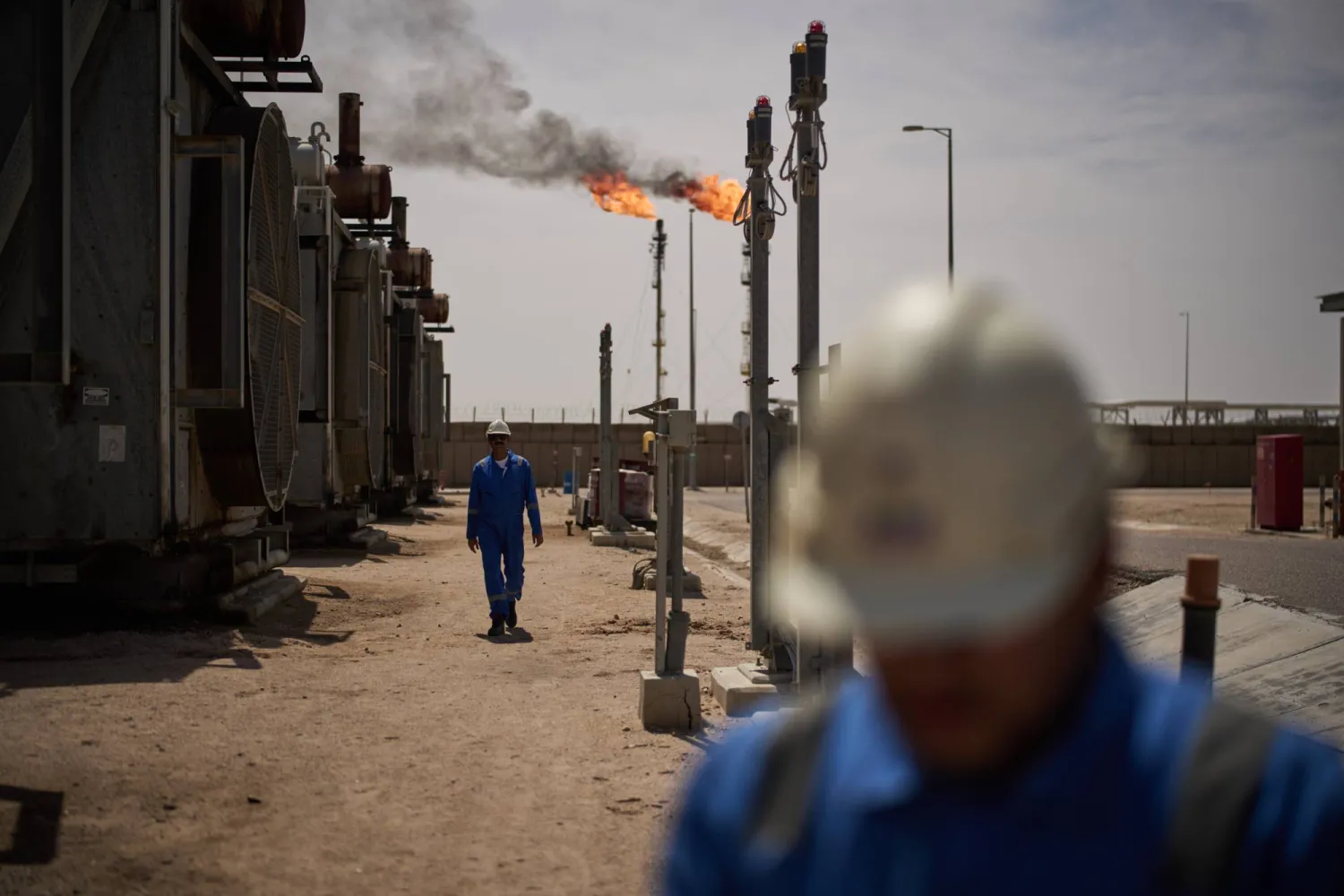
Energy markets continue to be one of the most sensitive indicators of the conflict. Oil prices extended their upward trajectory, driven by ongoing supply disruptions and uncertainty around the Strait of Hormuz.
Brent crude rose above $111 per barrel, while West Texas Intermediate climbed past $114 per barrel, marking gains of more than 2.5% in a single session. Since the conflict began, oil prices have surged by over 50%, raising concerns about inflation and economic stability worldwide.
An announcement by OPEC+ to increase output by 206,000 barrels per day for May has done little to ease supply concerns. Analysts view the move as largely symbolic, given that production and transportation remain constrained by ongoing hostilities affecting several member nations.
The persistence of elevated oil prices is beginning to ripple through global markets, increasing costs for transportation, manufacturing, and energy-intensive industries.
Global Markets React to Rising Risks
While Asian equities showed resilience, futures markets in the United States painted a more cautious picture. Contracts tied to the Dow Jones Industrial Average fell by more than 250 points, or about 0.5%, while S&P 500 futures declined around 0.6%. Nasdaq-100 futures dropped close to 0.7%, reflecting pressure on technology stocks amid rising yields and geopolitical uncertainty.
Investors are increasingly shifting toward short-term, event-driven strategies, reacting quickly to headlines rather than relying on long-term economic fundamentals. This shift is contributing to heightened volatility across asset classes, including equities, commodities, and currencies.
Outlook Remains Highly Uncertain
As the deadline set by Washington approaches, markets are expected to remain volatile and highly sensitive to geopolitical developments. The possibility of a diplomatic breakthrough continues to support risk sentiment, but the threat of further escalation remains a significant downside risk.
The coming days are likely to be decisive. A peaceful resolution could stabilize oil prices and support a broader market rally, while further escalation could trigger a sharp sell-off and renewed pressure on global growth.
For now, investors are maintaining a cautious stance, balancing opportunistic buying with defensive positioning. In a market dominated by geopolitical uncertainty, clarity remains the most valuable—and elusive—asset.
.webp)
Popular articles



Subscribe to unlock premium content
The Hidden World of Ultra-Rare Seaweed Farming

Riding Waves and Wealth in Bali

The Market for Renting Private Libraries Where Only Rare, Unpublished Manuscripts Exist

The Hidden World of Ultra-Rare Seaweed Farming
Riding Waves and Wealth in Bali
The Hidden World of Ultra-Rare Seaweed Farming