Asia Stocks Rally to Record Levels as Defense Shares Surge After Maduro’s Capture

Asia Stocks Rally to Record Levels as Defense Shares Surge After Maduro’s Capture
By
Leah Rosenfeld
Last updated:
January 5, 2026
First Published:
January 5, 2026


Photo: ScanX
Markets Open 2026 on a Strong Footing
Asia-Pacific markets kicked off the first full trading week of 2026 with broad gains after the United States confirmed it had carried out military operations in Venezuela and captured President Nicolás Maduro over the weekend. The development injected fresh geopolitical risk into markets, but investor reaction pointed to confidence rather than fear, with equities climbing and oil prices drifting lower.
The rally was led by defense-related stocks in Japan and South Korea, reflecting expectations of higher military spending and sustained regional security demand amid escalating global tensions.
Oil Slips Despite Venezuela Shock
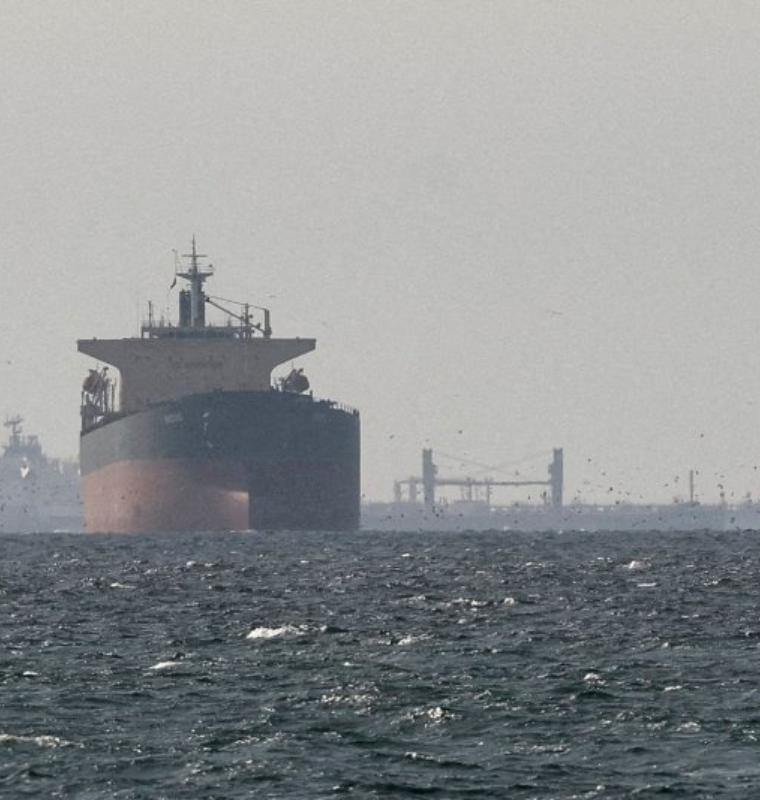
Despite Venezuela’s status as one of the world’s most oil-rich nations, crude prices declined as traders assessed the immediate supply impact as limited. Brent crude futures fell more than 1% earlier in the session before trimming losses, last trading around $60.57 per barrel. U.S. West Texas Intermediate was down roughly 0.4% at $57.09.
Venezuela holds an estimated 303 billion barrels of proven crude reserves, representing about 17% of global reserves. However, years of sanctions, underinvestment, and infrastructure decay have significantly reduced its actual contribution to global supply, helping explain why oil markets remained relatively calm.
Gold, by contrast, reflected a more cautious undercurrent. Spot prices jumped more than 1.8% to around $4,409 per ounce, signaling continued demand for safe-haven assets even as equities advanced.
Japan Markets Hit Records on Defense Boom
Japan’s equity markets posted some of the strongest gains in the region. The Nikkei 225 surged 3.13% in its first trading session of the year, while the broader Topix index climbed 2.12% to a new record high.
Defense manufacturers dominated the leaderboard. IHI Corp jumped nearly 10%, while Mitsubishi Heavy Industries rose 9.17% and Kawasaki Heavy Industries gained close to 6.9%. Investors appear to be pricing in sustained defense orders as geopolitical uncertainty stretches from Eastern Europe to the Middle East and now Latin America.
South Korea Extends Rally to New Highs
South Korean stocks also pushed into uncharted territory. The Kospi index advanced 3.15% to close at a record 4,448.52, while the tech-heavy Kosdaq added 1.11%.
Samsung Electronics rose more than 7% after co-CEO TM Roh said the company plans to double the number of AI-enabled mobile devices this year, powered by Google’s Gemini platform. The announcement reinforced optimism around South Korea’s role in the global AI and semiconductor supply chain.
Defense names followed suit. Hanwha Aerospace climbed over 6%, while Poongsan, a supplier of defense-related materials, gained around 2%.
Mixed Performance Across the Region
Elsewhere in Asia, performance was more uneven. Australia’s ASX/S&P 200 ended flat, reflecting caution among investors tied to commodities and financials.
Hong Kong’s Hang Seng Index edged slightly lower, weighed down by energy stocks. PetroChina dropped nearly 4.8%, while offshore energy giant CNOOC fell close to 4%. In contrast, mainland China’s CSI 300 index rose 1.29%, supported by financials and industrials.
Indian equities were subdued. The Nifty 50 rose 0.13%, while the Sensex finished largely unchanged as investors awaited fresh domestic and global catalysts.
Wall Street Provides a Steady Backdrop
U.S. equity futures were steady during Asian trading hours, following a mixed but generally resilient session on Wall Street to start the year.
The S&P 500 edged up 0.19% to close at 6,858.47, supported by gains in semiconductor stocks. The Nasdaq Composite slipped marginally by 0.03% to 23,235.63, after earlier rallying more than 1% intraday. The Dow Jones Industrial Average outperformed, climbing 319 points, or 0.66%, to settle at 48,382.39.
Investor Takeaway
The market response to Maduro’s capture suggests investors currently view the situation as a contained geopolitical event rather than a systemic risk. Defense stocks are emerging as clear beneficiaries, while oil’s muted reaction underscores how far Venezuela’s energy influence has declined.
As 2026 begins, markets appear focused on earnings growth, AI-driven expansion, and defense spending trends, even as global politics grow more unpredictable.
.webp)
Popular articles



Subscribe to unlock premium content
Zara’s Hyper-Fast Fashion Supply Chain Is Changing Global Retail

The Rise of Apple Stores as Experiential Brand Centers Worldwide

Boutique Eco-Lodges in Costa Rica Redefining Ultra-Luxury Travel

Zara’s Hyper-Fast Fashion Supply Chain Is Changing Global Retail
The Rise of Apple Stores as Experiential Brand Centers Worldwide
Zara’s Hyper-Fast Fashion Supply Chain Is Changing Global Retail