Apple Shares Plunge in Steepest Sell-Off Since April as FTC Scrutiny and Siri AI Delays Rattle Investors

Apple Shares Plunge in Steepest Sell-Off Since April as FTC Scrutiny and Siri AI Delays Rattle Investors
By
Alina Sinclair
Last updated:
February 13, 2026
First Published:
February 13, 2026

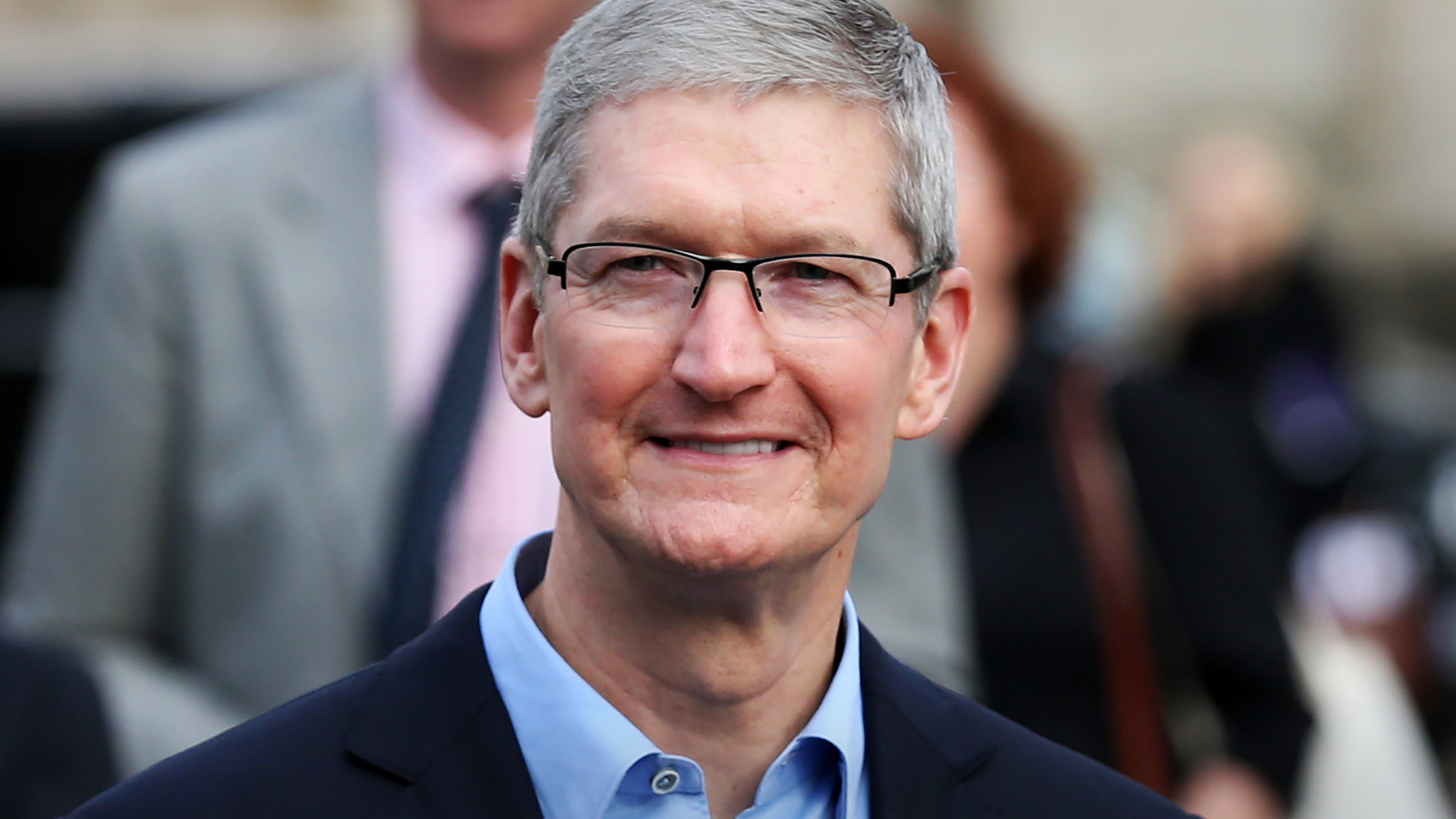
Photo: TheStreet
Apple investors endured their sharpest single-day decline in nearly ten months as mounting regulatory scrutiny and reports of delays to key artificial intelligence features triggered a broad sell-off in the iPhone maker’s stock.
Shares of Apple sank 5% on Thursday, marking the company’s worst trading session since April 2025. The drop erased all of Apple’s year-to-date gains and pushed the stock down nearly 4% for 2026. The slide shaved tens of billions of dollars off the company’s market capitalization, underscoring how sensitive investors remain to AI execution risks and political headwinds.
Regulatory Pressure Intensifies Around Apple News
Adding to investor anxiety, Federal Trade Commission Chair Andrew Ferguson sent a letter to Apple CEO Tim Cook, urging the company to review the terms of service and editorial curation practices of Apple News. Ferguson referenced reports alleging the platform favored left-leaning news outlets while limiting visibility for conservative publishers.
While the FTC has not formally announced an enforcement action, the letter signals potential regulatory escalation. Apple News, which is preinstalled on hundreds of millions of iPhones and iPads globally, plays a strategic role in the company’s services ecosystem — a segment that generated over $85 billion in revenue in fiscal 2025 and carries significantly higher margins than hardware sales.
Any regulatory scrutiny tied to content moderation, algorithmic bias, or distribution practices could widen into broader antitrust concerns, particularly as U.S. regulators intensify oversight of major technology platforms.
Siri AI Upgrade Faces Internal Delays
Compounding the uncertainty, Bloomberg reported Wednesday that Apple’s highly anticipated AI-powered upgrade to Siri has been internally delayed until at least May, with some features potentially rolling out gradually over several months.
The Siri overhaul is widely viewed as Apple’s response to the generative AI surge led by rivals integrating large language models into consumer products. Expectations had been building that the update would debut within weeks. Instead, the timeline now appears more fluid.
Apple maintains that it remains on track to deliver major AI enhancements in 2026, but investors appear wary. The company has committed tens of billions of dollars to AI infrastructure, silicon development, and data center expansion as it seeks to compete more aggressively in machine learning and on-device intelligence.
Execution delays — even short-term ones — risk reinforcing the narrative that Apple has lagged peers in rolling out consumer-facing generative AI tools.
Wall Street Grows Cautious on Big Tech Spending
The sell-off in Apple shares also unfolded against a broader backdrop of sector-wide unease. Earlier this week, UBS downgraded the U.S. technology sector to “neutral,” citing uncertainty in software demand and concerns about escalating capital expenditures tied to AI development.
Investors have grown increasingly sensitive to spending levels among mega-cap tech firms, many of which are allocating billions annually toward AI chips, data centers, and cloud infrastructure. While Apple reported better-than-expected first-quarter earnings last month — surpassing Wall Street’s revenue and profit estimates — the stock has struggled to maintain momentum amid broader risk-off sentiment.
Over the past week, software and AI-linked equities have experienced heightened volatility as institutional investors reassess valuation multiples and near-term return on investment from AI initiatives.
Market Reaction Reflects High Expectations
Apple’s stock remains one of the most closely watched barometers for both the broader technology sector and the S&P 500. With a market value still exceeding $2 trillion even after Thursday’s drop, shifts in investor sentiment can ripple across global indices.
Analysts note that the 5% decline, while significant, does not necessarily indicate structural weakness in Apple’s core business. iPhone sales remain resilient in key markets, services revenue continues to expand, and the company maintains one of the strongest balance sheets in corporate America, with substantial cash reserves and ongoing share repurchase programs.
However, the combination of regulatory pressure, AI rollout uncertainty, and macro-driven tech volatility has introduced short-term turbulence. For investors, the coming months will likely hinge on clarity around Siri’s AI launch timeline and whether the FTC inquiry evolves into a more formal investigation.
In a market increasingly driven by AI expectations and regulatory scrutiny, Apple now finds itself navigating both at once.
.webp)
Popular articles



Subscribe to unlock premium content
Zara’s Hyper-Fast Fashion Supply Chain Is Changing Global Retail

The Rise of Apple Stores as Experiential Brand Centers Worldwide
Boutique Eco-Lodges in Costa Rica Redefining Ultra-Luxury Travel

Zara’s Hyper-Fast Fashion Supply Chain Is Changing Global Retail
The Rise of Apple Stores as Experiential Brand Centers Worldwide
Zara’s Hyper-Fast Fashion Supply Chain Is Changing Global Retail