Anduril Moves Deeper Into Space Defense With Strategic Acquisition

Anduril Moves Deeper Into Space Defense With Strategic Acquisition
By
Junia Wells
Last updated:
March 11, 2026
First Published:
March 11, 2026

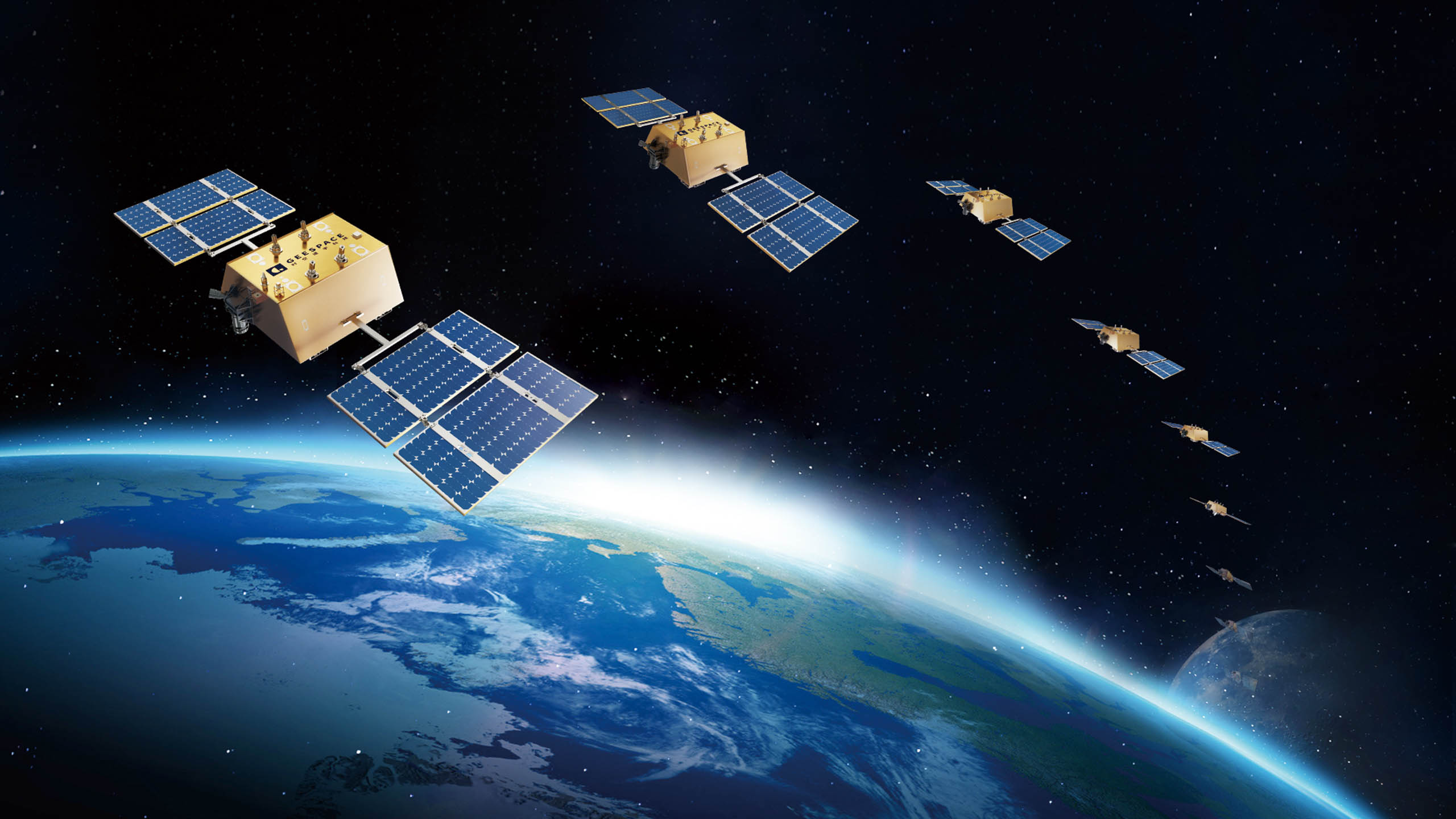
Photo: Nikkei Asia
Anduril Expands Its Space Defense Ambitions
U.S. defense technology firm Anduril Industries is rapidly expanding its presence in space-based military systems, marking a major step in its evolution from a drone-focused startup to a full-scale defense technology powerhouse.
The company announced that it has acquired ExoAnalytic Solutions, a Colorado-based firm known for its advanced missile tracking and space surveillance capabilities. The deal represents the first acquisition tied specifically to Anduril’s growing space division and signals the company’s intention to play a larger role in future U.S. space defense operations.
By integrating ExoAnalytic’s technology, Anduril plans to significantly enhance its ability to monitor objects in orbit and detect missile activity in real time. The move comes at a time when the Pentagon is increasingly treating space as a strategic battlefield alongside land, air and sea.
Strengthening Space Surveillance and Missile Tracking
ExoAnalytic Solutions operates one of the world’s largest commercial networks dedicated to monitoring satellites and tracking missile launches. The company manages a global network of more than 450 optical telescopes spread across multiple continents, allowing it to observe and track thousands of objects orbiting Earth.
This network continuously collects high-resolution data on satellites, space debris and missile trajectories, providing critical information for both military and commercial clients.
With the acquisition, Anduril plans to integrate ExoAnalytic’s observation data into its own software-driven defense platforms. The combined systems will allow the company to deliver improved space situational awareness, giving military operators a clearer picture of everything occurring in orbit.
Executives say the goal is to provide the U.S. Department of Defense with a more complete catalog of satellites, debris and potential threats, something that is becoming increasingly important as the number of active spacecraft rapidly grows.
More than 9,000 satellites are currently in orbit, according to recent space industry estimates, a number expected to surpass 20,000 by the end of the decade as governments and private companies launch new constellations.
Space Emerging as a Critical Military Domain
The acquisition reflects a broader shift in defense strategy as space becomes an increasingly contested domain.
Military planners now view satellites and orbital infrastructure as essential to modern warfare. Navigation systems, communications networks, missile detection platforms and intelligence gathering all rely heavily on space-based assets.
As geopolitical tensions rise and nations expand their space capabilities, protecting those systems has become a major priority for defense agencies around the world.
Anduril believes combining ground-based surveillance networks with advanced software and artificial intelligence can help create a more responsive monitoring system for U.S. military forces.
Company leaders say the technology will help identify potential threats faster and provide commanders with more reliable data when responding to missile launches or satellite maneuvers.
Positioning for the Golden Dome Missile Defense Initiative
The expansion into space also aligns with a broader U.S. defense initiative aimed at modernizing missile defense infrastructure.
President Donald Trump has proposed a $175 billion national defense project, widely referred to as the Golden Dome, designed to strengthen America’s protection against advanced missile threats. The program would combine next-generation radar systems, satellite tracking networks and missile interceptors to create a multi-layered defensive shield.
Space-based sensors and early-warning systems are expected to play a central role in that strategy.
Defense technology companies are already racing to develop capabilities that could secure contracts tied to the massive initiative. Tracking technologies, real-time data analysis platforms and advanced surveillance systems are likely to become some of the most valuable components of the program.
By acquiring ExoAnalytic Solutions, Anduril is positioning itself as a potential supplier of the tracking and data infrastructure required for such a system.
From Drone Startup to Defense Powerhouse
Founded in 2017 by entrepreneur Palmer Luckey, the creator of the Oculus virtual reality headset, Anduril has grown rapidly into one of the most prominent players in the defense technology sector.
The company initially gained attention for its autonomous drone systems, AI-powered surveillance towers and border monitoring technologies. These systems use machine learning software to analyze large volumes of sensor data and automatically detect potential threats.
Over the past several years, Anduril has steadily expanded its product portfolio to include underwater drones, counter-drone systems, advanced battlefield software and space-related technologies.
The company has secured multiple contracts with the U.S. Department of Defense, the Department of Homeland Security and allied military forces, establishing itself as a key supplier in the emerging defense technology ecosystem.
Growing Role in Major U.S. Military Programs
Anduril is also deeply involved in other large-scale defense initiatives.
One of its most significant projects involves collaboration with the U.S. Army’s augmented reality combat system, a program valued at approximately $22 billion. The project aims to equip soldiers with advanced mixed-reality headsets that can provide real-time battlefield information, navigation data and threat detection capabilities.
The technology is expected to transform how soldiers interact with digital intelligence during combat operations, potentially reshaping modern battlefield tactics.
Combined with its investments in autonomous systems and space surveillance technologies, these projects demonstrate how Anduril is expanding well beyond its original focus areas.
Investor Interest and Rapid Valuation Growth
The company’s rapid growth has also attracted strong interest from investors.
In June of last year, Anduril raised $2.5 billion in funding, valuing the company at approximately $30.5 billion. The investment round ranked among the largest venture funding deals in the defense technology sector.
Recent reports suggest the company is now in discussions to raise additional capital that could nearly double its valuation, potentially pushing the company’s worth above $60 billion.
Such growth reflects the increasing demand for advanced defense technologies as governments seek to modernize military systems and adapt to new security threats.
A New Era for Defense Technology
The acquisition of ExoAnalytic Solutions highlights how rapidly the defense technology landscape is evolving.
Startups like Anduril are challenging traditional defense contractors by combining cutting-edge software, artificial intelligence and commercial innovation models with national security priorities.
As space becomes an increasingly strategic domain and governments invest heavily in missile defense and satellite protection systems, companies capable of delivering integrated monitoring and data analysis solutions are likely to play a critical role.
For Anduril, the move into space surveillance represents another step in its transformation into a comprehensive defense technology platform—one that aims to shape the future of military operations both on Earth and in orbit.
.webp)
Popular articles



Subscribe to unlock premium content
Vertical Luxury

Artisan Indulgence in the Heart of New York

Artisan Indulgence in the Heart of New York

Vertical Luxury
Artisan Indulgence in the Heart of New York
Vertical Luxury