America’s Largest Auto Retailer Holds Off on Chinese Brands in the U.S.

America’s Largest Auto Retailer Holds Off on Chinese Brands in the U.S.
By
Augusta Parker
Last updated:
February 12, 2026
First Published:
February 12, 2026

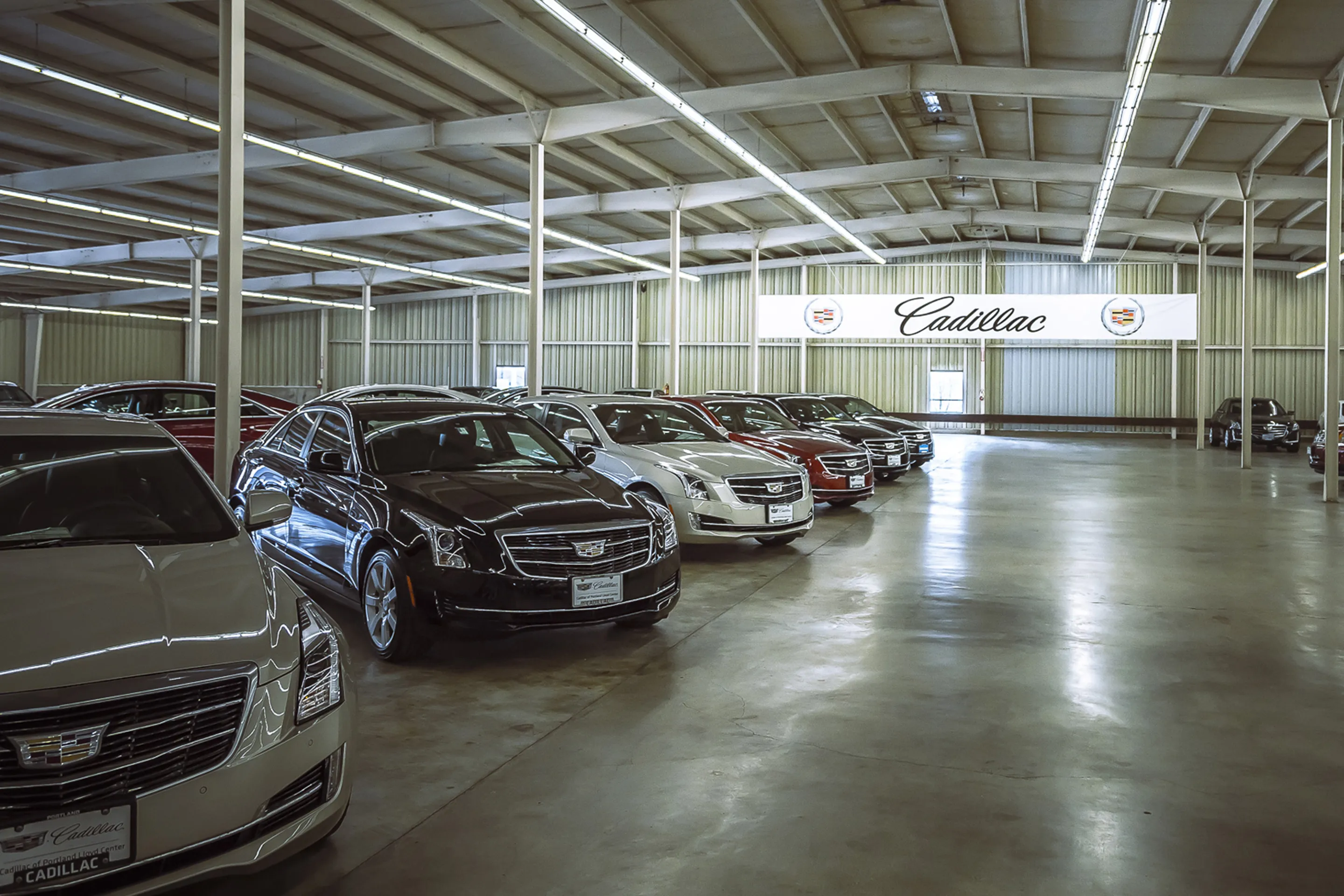
Photo: Fortune
The biggest auto dealership group in the United States is drawing a clear line — at least for now — when it comes to selling Chinese-branded vehicles domestically.
Lithia Motors, the nation’s largest automotive retailer by revenue and store count, says it has no immediate plans to introduce China-based car brands into its U.S. showrooms. But according to CEO Bryan DeBoer, the hesitation has little to do with geopolitics or consumer sentiment. Instead, it comes down to economics, infrastructure and the complex franchise system that governs American auto retail.
Speaking during the company’s fourth-quarter earnings call, DeBoer emphasized that the barriers are structural rather than ideological.
“We’re quite excited about the opportunities internationally,” he said, pointing to Lithia’s growing footprint in the United Kingdom. “But there’s a big fundamental difference in how those markets operate compared to the United States.”
Different rules overseas, different math
Lithia already operates at least 10 dealerships in the U.K. selling vehicles from three Chinese automakers. In Europe, Chinese brands such as Chery, BYD and MG have expanded aggressively, gaining traction with competitively priced electric vehicles and hybrid models.
The U.K. retail environment allows what DeBoer described as “dueling franchises,” meaning dealerships can sell competing brands under one roof. That flexibility dramatically reduces startup costs and risk exposure.
For example, Lithia can introduce a Chinese brand into an existing showroom in the U.K. for less than $100,000 in incremental investment. The infrastructure, staffing and service operations are already in place.
That scenario doesn’t translate to the U.S.
America’s franchise laws — which vary by state and often heavily favor existing automakers — typically require separate facilities, dedicated service departments and distinct branding. Launching a new brand would likely mean building entirely new retail and service locations, a far more capital-intensive process.
In a market where real estate, labor and compliance costs are significantly higher, the return on investment becomes less predictable.
Service and parts drive dealership profits
Another major factor is the economics of dealership operations. Roughly 50% to 60% of Lithia’s profits come from service and parts, not just vehicle sales.
Introducing a new foreign brand into the U.S. would require a full service ecosystem — trained technicians, certified parts supply chains, diagnostic equipment and warranty infrastructure. Without established vehicle density and a strong customer base, that investment may not generate meaningful returns for years.
DeBoer suggested Lithia is unlikely to be an early mover in bringing Chinese brands to the U.S. or Canada under the current framework, particularly since the company typically does not operate in dual-franchise formats domestically.
Global expansion of Chinese automakers accelerates
Lithia’s cautious stance comes at a time when Chinese automotive brands are expanding rapidly outside their home market.
Over the past five years, global market share for Chinese automakers has surged by nearly 70%, driven largely by electric vehicle exports. Companies such as BYD, Nio, Chery and Geely have made significant inroads in Europe, Southeast Asia and Latin America.
China is now the world’s largest vehicle exporter by volume, surpassing traditional automotive powerhouses. Competitive pricing, vertical battery integration and aggressive expansion strategies have allowed Chinese manufacturers to scale quickly.
However, entry into the U.S. market remains limited. While vehicles manufactured in China are sold in America under brands like Buick and Volvo, no major Chinese-owned brand currently sells cars in the U.S. under its own nameplate.
Tariffs and trade tensions have historically complicated potential entry strategies, although DeBoer made clear that political concerns are not his primary obstacle. The bigger issue, he indicated, is whether the business model works within the U.S. dealership system.
Canada’s shifting landscape
Chinese automakers have recently announced expansion plans into Canada, a smaller but strategically important North American market. Canada’s trade environment has evolved amid ongoing tariff negotiations and disputes, potentially creating openings for new entrants.
Still, even in Canada, Lithia appears cautious.
“We’re keeping our minds open,” DeBoer said, noting that the company is building relationships with several Chinese brands globally. “We’ll look at the opportunities as they present themselves.”
Financial performance remains steady
Lithia’s comments came as the company reported solid financial results. For the full year, revenue rose 4%, while gross profit increased 3.1%. The company continues to scale through acquisitions and operational efficiencies, solidifying its position as the largest dealership group in the U.S.
With more than 300 locations across North America and Europe and annual revenue exceeding $30 billion, Lithia has the size and capital to pursue new ventures. However, management appears focused on disciplined expansion rather than speculative brand introductions.
Strategic patience over first-mover risk
The broader automotive landscape is shifting quickly. Electric vehicle adoption is accelerating globally, supply chains are being reshaped and new entrants are challenging legacy automakers.
Yet Lithia’s strategy reflects a measured approach. Rather than rushing to partner with emerging Chinese brands in the U.S., the company is prioritizing profitability, infrastructure readiness and regulatory clarity.
For now, Chinese automakers may continue their global push without a direct channel through America’s largest dealership group. But as international brands gain scale and franchise models evolve, that calculus could change.
Lithia’s position is not a rejection — it’s a wait-and-see strategy grounded in economics, not politics.
.webp)
Popular articles



Subscribe to unlock premium content
LEGO Boutique Flagship Stores Are Redefining Global Play
How Boutique Safari Camps in Kenya Are Creating Premium Eco Experiences

Discovering Southeast Asia’s Private Culinary Travel Boom

LEGO Boutique Flagship Stores Are Redefining Global Play
How Boutique Safari Camps in Kenya Are Creating Premium Eco Experiences
LEGO Boutique Flagship Stores Are Redefining Global Play