Amazon’s Delivery Shift Could Deepen the Urban Rural Shipping Gap in the U.S.

Amazon’s Delivery Shift Could Deepen the Urban Rural Shipping Gap in the U.S.
By
Leah Rosenfeld
Last updated:
April 20, 2026
First Published:
April 20, 2026

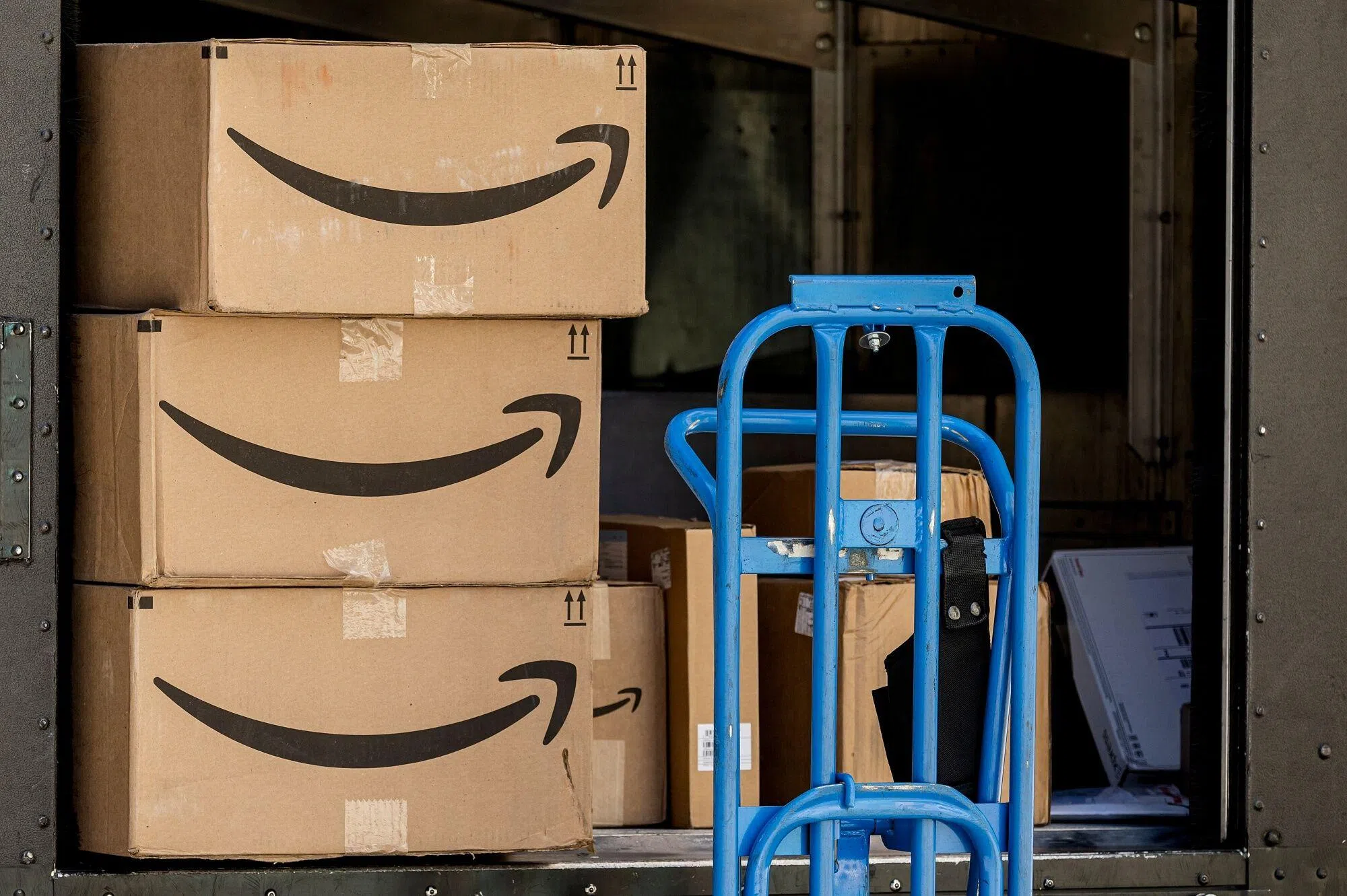
Photo: The Business Times
A major shift in how packages move across the United States is underway, and its impact could be felt most sharply outside major cities. Amazon is planning to reduce the number of packages it routes through the United States Postal Service by roughly 20%, a move that could significantly reshape the economics of last-mile delivery.
The change translates to around 200 million fewer packages per year flowing through USPS, forcing the agency to spread its fixed nationwide delivery costs across a smaller volume base. For a network that already operates under financial strain, this shift could trigger a chain reaction—higher prices, reduced service frequency, and widening disparities between urban and rural delivery experiences.
At the core of the issue is a simple but powerful economic principle: delivery efficiency depends heavily on volume and density. Urban areas, where drivers can complete dozens of deliveries within a small radius, are far more cost-effective than rural regions, where long distances between stops drive up per-package costs. Roughly 20% of Americans live in these less dense areas, making them particularly vulnerable to any disruption in logistics economics.
As Amazon pulls more deliveries into its own logistics network, it gains greater control over cost and speed—but that transition comes with trade-offs. While the company has invested more than $4 billion to expand its reach into smaller cities and rural communities, replicating the USPS’s universal delivery network remains challenging. The Postal Service is legally required to deliver to every address in the country, a mandate that private companies are not bound by.
This imbalance is likely to manifest first in service quality rather than pricing. Delivery times in rural areas are already 5% to 7% slower than in urban markets, where on-time performance typically exceeds 94%. In some remote ZIP codes, deliveries do not occur daily, with lower-cost shipping options arriving on alternating days. As USPS volume declines, these gaps could become more pronounced, with fewer delivery runs and longer wait times.
Eventually, pricing pressures are expected to follow. Carriers already apply surcharges of up to $16.50 for remote deliveries and around $8.85 for rural shipments. With fewer packages to absorb infrastructure costs, those surcharges could rise further. The burden is likely to fall disproportionately on small businesses and individual consumers, particularly those without access to discounted bulk shipping rates.
Small businesses, in particular, face a difficult position. Many rely on USPS as a cost-effective way to reach customers nationwide, especially in areas where private carriers are more expensive. As shipping costs increase, these businesses often have little choice but to pass those costs on to customers through higher product prices or delivery fees. Given that more than 60% of Amazon’s marketplace sales come from third-party sellers, a large portion of the impact could ripple through the broader e-commerce ecosystem.
The timing of this shift is especially challenging for USPS. The agency reported a net loss of करीब $9 billion last year and has accumulated more than $100 billion in losses since 2007. It is already pursuing price increases, including higher stamp costs and an 8% package surcharge, as it struggles to stabilize its finances. There are also concerns that, without structural changes, USPS could face liquidity constraints as early as 2027.
Despite the reduction, Amazon is expected to remain USPS’s largest customer, still routing over one billion packages annually through the network. The relationship remains strategically important for both sides. In low-density regions, USPS often remains the most cost-effective delivery option, allowing Amazon to avoid the high costs of sending its own drivers over long distances.
This dynamic creates a complex but interdependent relationship. USPS benefits from Amazon’s volume to help cover its fixed costs, while Amazon leverages the Postal Service’s universal reach to maintain nationwide delivery coverage. However, as Amazon continues to expand its in-house logistics capabilities, it is gaining increasing leverage over how deliveries are priced and executed.
For consumers, the impact may not always be immediately visible. Instead of sudden price hikes, the changes could appear gradually—longer delivery windows, fewer free shipping options, or differences in service depending on location and membership status. Prime members are likely to remain insulated due to bundled shipping benefits, while non-members may face higher costs or incentives to subscribe.
What is emerging is a more fragmented delivery landscape, where geography plays an increasingly important role in determining cost and convenience. The gap between urban and rural service levels has always existed, but this shift could make it more pronounced, reshaping expectations for e-commerce across the country.
.webp)
Popular articles



Subscribe to unlock premium content
Oprah’s Empire of Influence

Capsule Hotels Reinvented for the Elite

Sky-High Living in Singapore

Oprah’s Empire of Influence
Capsule Hotels Reinvented for the Elite
Oprah’s Empire of Influence