Amazon Reshapes Its Health-Care Leadership as Amwell Co-Founder Takes Over Division

Amazon Reshapes Its Health-Care Leadership as Amwell Co-Founder Takes Over Division
By
Rachel Steinberg
Last updated:
May 28, 2026
First Published:
May 28, 2026


Getty Images
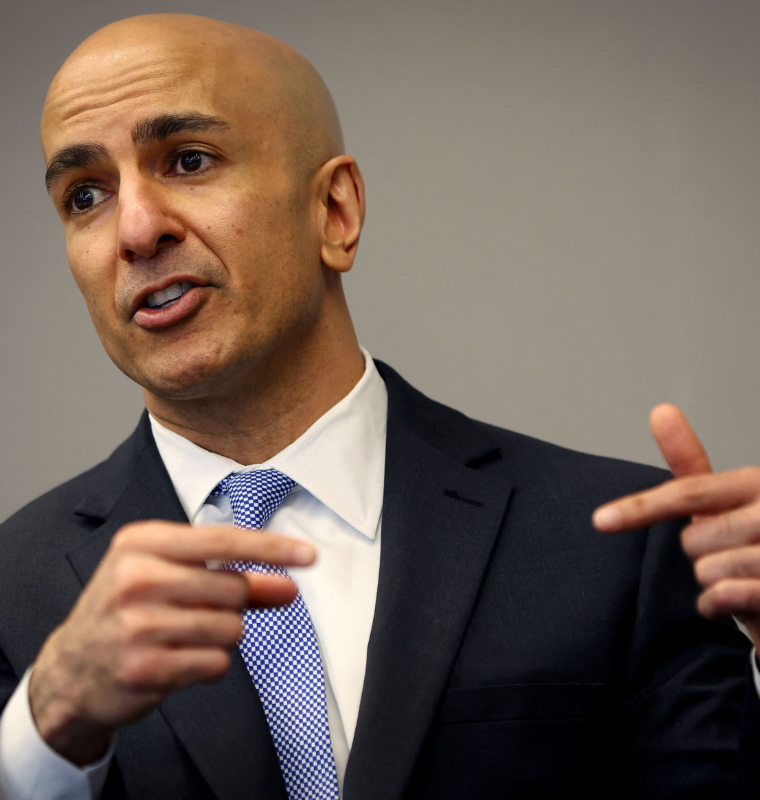
Amazon is making another major leadership change in its growing health-care business as longtime executive Neil Lindsay prepares to step down and telemedicine entrepreneur Dr. Roy Schoenberg moves in to lead the company’s next phase of expansion in the sector.
The transition highlights Amazon’s continued ambition to become a major force in the multi-trillion-dollar U.S. health-care industry, one of the company’s most aggressive long-term growth targets outside of e-commerce and cloud computing.
Amazon confirmed that Neil Lindsay, who has led Amazon Health Services since 2021, will officially leave the role on July 1 after more than 15 years at the company. Lindsay will remain as an advisor through the end of the year while Amazon hands leadership responsibilities to Dr. Roy Schoenberg, co-founder of telemedicine provider Amwell.
The appointment signals a strategic shift toward deeper health-care specialization as Amazon intensifies its efforts in digital medicine, online pharmacy services, AI-powered medical tools, and primary care operations.
Amazon’s Health-Care Ambitions Continue Expanding
Amazon has spent years trying to break into the highly fragmented U.S. health-care market, investing billions of dollars into acquisitions, pharmacy operations, technology platforms, and virtual care services.
The company’s first major move came in 2018 when it acquired online pharmacy startup PillPack for roughly $750 million. That acquisition eventually evolved into Amazon Pharmacy, allowing customers to order prescription medications online with home delivery integration through Amazon’s logistics network.
In 2023, Amazon significantly escalated its health-care ambitions by purchasing primary care provider One Medical for approximately $3.9 billion, one of the largest acquisitions in Amazon’s history.
The One Medical deal gave Amazon access to a nationwide network of clinics, subscription-based health-care services, corporate clients, and an established patient base across multiple U.S. cities.
Industry analysts viewed the acquisition as a major signal that Amazon intended to become a long-term player in both physical and digital health-care delivery.
Beyond pharmacy and clinics, Amazon has also experimented with telehealth services, wearable health devices, and AI-powered medical support systems as it searches for scalable ways to disrupt traditional health-care models.
Roy Schoenberg Brings Deep Telemedicine Experience
The appointment of Dr. Roy Schoenberg reflects Amazon’s growing emphasis on technology-enabled health care.
Schoenberg helped build Amwell into one of the most recognized telemedicine platforms in the United States, particularly during the pandemic-era boom in virtual medical services. The company works with hospitals, insurers, and health systems to provide remote doctor consultations, digital care management, and telehealth infrastructure.
Amazon executives said Schoenberg brings a rare combination of clinical experience, health-care business expertise, and technology leadership.
Doug Herrington, Amazon’s worldwide retail chief, said the incoming executive has extensive experience building large-scale health-care systems capable of combining medical care with advanced technology platforms.
That expertise may become increasingly important as Amazon integrates artificial intelligence into more areas of its health business.
AI Is Becoming Central to Amazon’s Health Strategy
Earlier this year, Amazon launched a new artificial intelligence health assistant capable of analyzing medical records, answering health-related questions, and helping users schedule appointments.
The company is also investing heavily in AI infrastructure across its broader business ecosystem through Amazon Web Services, giving Amazon significant technological advantages as health care becomes increasingly digitized.
Industry analysts believe Amazon’s long-term strategy could involve creating an interconnected ecosystem where AI assistants, pharmacies, clinics, virtual care, logistics, and cloud computing all work together.
The health-care AI market alone is projected to grow rapidly over the next decade as hospitals and providers adopt automation tools for diagnostics, patient communication, scheduling, administrative tasks, and personalized care management.
Amazon appears determined to position itself at the center of that transformation.
Leadership Shakeups Continue Inside Amazon Health
The latest executive transition is part of a broader pattern of restructuring inside Amazon’s health-care division.
Over the past year, several senior health executives have departed the company. One Medical lost its CEO earlier this year, Amazon’s chief medical officer exited last May, and a senior vice president overseeing health-care operations left in December to join Humana.
The leadership changes reflect both the complexity of the health-care sector and the challenges Amazon faces trying to scale within an industry dominated by regulation, legacy systems, insurance networks, and entrenched competitors.
Unlike retail or cloud computing, health care involves deeply regulated operations, physician networks, insurance reimbursement systems, patient privacy laws, and complex regional licensing structures.
Despite its enormous financial resources and technological capabilities, Amazon has faced setbacks during its expansion efforts.
The company previously launched and later shut down its standalone telehealth service while also discontinuing its Halo health wearable line as part of broader cost-cutting measures.
Still, Amazon continues investing aggressively in the sector.
Neil Lindsay Says the Business Is Ready for Its Next Phase
In an internal memo, Lindsay said he originally stepped into the role to help Amazon build a strong foundation by recruiting experienced clinicians, technologists, operators, and health-care specialists capable of expanding the company’s reach.
He suggested the organization has now reached a stage where leadership with deeper clinical and health-care operational expertise will become increasingly important.
“Now is the right time to pass the baton,” Lindsay wrote, adding that Schoenberg is well-positioned to lead the company through its next phase of growth.
Lindsay previously held major leadership roles within Amazon’s Prime membership division and consumer devices business before transitioning into health care, despite not having a traditional medical background.
Amazon Faces Huge Opportunities and Fierce Competition
The U.S. health-care industry represents one of the largest economic sectors in the world, with annual spending exceeding $4 trillion.
That scale creates enormous opportunities for technology companies capable of improving efficiency, reducing costs, simplifying patient access, or modernizing outdated systems.
However, the industry also presents major challenges.
Amazon faces competition from established health-care providers, insurers, pharmacy chains, hospital systems, telemedicine companies, and other technology firms investing heavily in digital health solutions.
Companies including CVS Health, UnitedHealth Group, Walgreens, Microsoft, Google, and Apple are all expanding their health-care technology initiatives in various ways.
For Amazon, success may depend on whether it can combine its strengths in logistics, AI, cloud computing, subscriptions, and consumer technology into a health-care platform that delivers lower costs and better patient experiences.
With a new leadership team now in place, the company appears ready to accelerate that effort even further.
.webp)
Popular articles



Subscribe to unlock premium content
Gliding Through Ice and Luxury

Frozen Luxury in the World’s Last Frontier

From Passion to Profit: How Celebrity Hobbies Create Billion-Dollar Industries

Gliding Through Ice and Luxury
Frozen Luxury in the World’s Last Frontier
Gliding Through Ice and Luxury