Amazon Cloud Infrastructure in the Gulf Hit by Drone Attacks Amid Rising Regional Tensions

Amazon Cloud Infrastructure in the Gulf Hit by Drone Attacks Amid Rising Regional Tensions
By
Leah Rosenfeld
Last updated:
March 5, 2026
First Published:
March 5, 2026


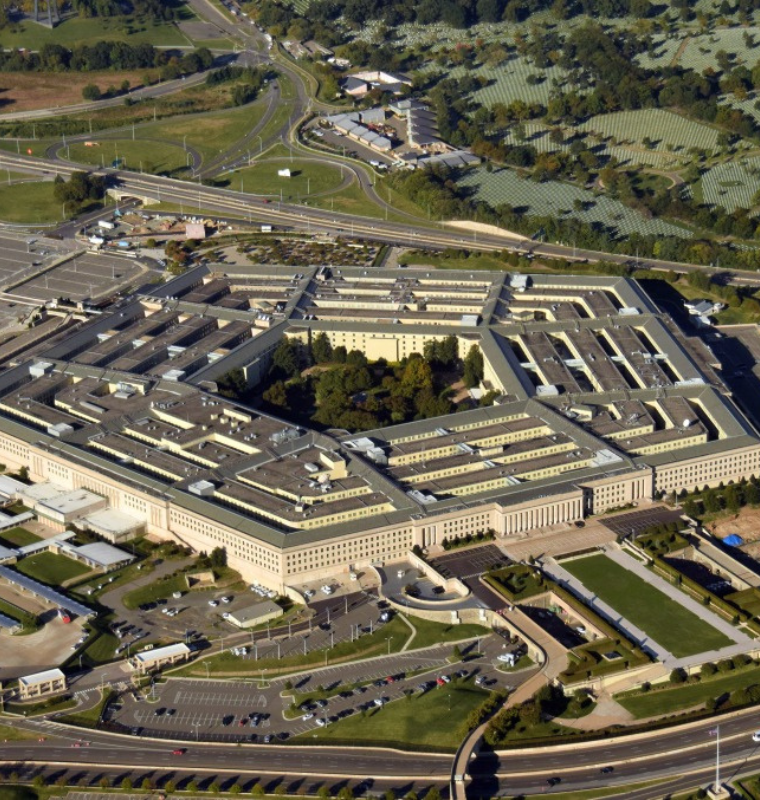
Photo: The CSR Journal
Amazon Web Services Facilities Caught in Escalating Conflict
Amazon’s cloud computing division has found itself unexpectedly drawn into the growing geopolitical tensions in the Middle East after one of its key data centers in Bahrain was reportedly targeted during a wave of drone strikes linked to the regional conflict.
According to Iranian state media, the attack was intended to investigate the alleged role of the facility in supporting U.S. military and intelligence operations in the region. The claim was published by Iran’s Fars News Agency through its official Telegram channel.
Earlier in the week, Amazon confirmed that one of its Amazon Web Services facilities in Bahrain sustained damage after a drone strike occurred nearby. The incident caused disruptions that forced the data center offline, affecting services running in the region.
The situation escalated further when two additional AWS data centers in the United Arab Emirates were reportedly struck directly by drones. Together, the incidents represent one of the most significant disruptions to cloud infrastructure in the Gulf region in recent years.
Multiple Data Centers Taken Offline
The attacks left several AWS facilities temporarily disabled, according to the company’s public service health dashboard. As a result, cloud services hosted in the affected regions experienced technical disruptions and reduced availability.
In addition to physical damage from the explosions, the affected sites experienced power outages and water damage after emergency crews responded to sparks and fires caused by the strikes. Fire suppression efforts, while necessary, also contributed to temporary infrastructure issues inside the facilities.
Several widely used AWS services reported elevated error rates and performance degradation during the outage. Businesses that rely on the Bahrain and UAE regions for cloud computing workloads faced interruptions that impacted applications, databases, and internal systems.
The outages highlight the growing vulnerability of digital infrastructure during geopolitical conflicts, particularly in regions where critical technology assets coexist alongside military installations.
AWS Advises Customers to Shift Workloads
In response to the disruptions, Amazon Web Services issued guidance to customers operating in the affected regions.
The company recommended that organizations immediately back up their data and consider shifting workloads to alternative AWS regions outside the Gulf. Customers were also encouraged to reroute internet traffic away from Bahrain and the UAE while engineers assess the damage and begin recovery operations.
Large enterprises typically deploy applications across multiple geographic regions for redundancy. However, smaller organizations that rely heavily on a single region can experience service interruptions when outages occur.
Industry analysts note that cloud resilience strategies are becoming increasingly important as geopolitical tensions begin to intersect with global technology infrastructure.
Strategic Importance of the Bahrain AWS Region
Amazon launched its AWS Bahrain region in 2019 as part of a broader effort to expand cloud services across the Middle East. The facility has since become one of the company’s most strategically important data hubs in the Gulf.
The region hosts a wide range of digital workloads, including applications used by local governments, financial institutions, startups, and multinational corporations operating in the Middle East.
Bahrain has positioned itself as a regional technology hub, offering regulatory support and digital infrastructure designed to attract international cloud providers. Amazon’s presence in the country has played a key role in accelerating digital transformation initiatives across the Gulf Cooperation Council region.
In addition to the data center infrastructure, Amazon also operates a corporate office in Bahrain that supports AWS operations and regional partnerships.
Geopolitical Tensions Spill Into the Tech Sector
The drone strikes occurred shortly after coordinated military operations carried out by the United States and Israel targeting Iranian facilities. In response, Iran launched retaliatory actions against what it considers strategic assets connected to its adversaries across the Gulf region.
Military bases and other installations linked to U.S. and allied forces have reportedly been targeted during the escalation. The reported strike on Amazon’s cloud infrastructure reflects how modern conflicts increasingly extend beyond traditional military targets.
Technology infrastructure such as cloud data centers, communication networks, and digital platforms has become deeply integrated into government and defense operations, making them potential points of interest during geopolitical confrontations.
While the full extent of the damage to the AWS facilities remains unclear, the incident underscores how global technology companies can become entangled in geopolitical disputes even when operating primarily commercial infrastructure.
Corporate Precautions Across the Middle East
As security conditions in the region deteriorated, Amazon took precautionary measures to protect its employees.
The company instructed corporate staff across its Middle East offices to work remotely until further notice and advised employees to follow guidance issued by local governments. The move is intended to minimize risks while the situation in the region continues to evolve.
Large multinational companies operating in the Gulf are increasingly adopting similar safety protocols as regional instability intensifies.
A Warning for Global Digital Infrastructure
The disruption to Amazon’s cloud operations highlights the growing strategic importance of data infrastructure in the modern economy. With businesses, governments, and financial systems increasingly dependent on cloud computing, any disruption to major data centers can have ripple effects across industries and borders.
For cloud providers like Amazon Web Services, Microsoft Azure, and Google Cloud, maintaining resilient infrastructure across multiple regions has become a central challenge as digital networks intersect with geopolitical risks.
The recent events in Bahrain and the United Arab Emirates serve as a reminder that the physical foundations of the internet — including servers, power systems, and fiber networks — remain exposed to the same geopolitical tensions that affect traditional industries.
.webp)
Popular articles



Subscribe to unlock premium content
Electric Dreams on Demand

Tokyo’s Futuristic Gardens of Prestige

Elevating Perspectives with Drone Photography

Electric Dreams on Demand
Tokyo’s Futuristic Gardens of Prestige
Electric Dreams on Demand