
Allegiant Bets on Disciplined Low-Cost Strategy After Finalizing $1.5 Billion Sun Country Deal

Allegiant Bets on Disciplined Low-Cost Strategy After Finalizing $1.5 Billion Sun Country Deal
By
Alina Sinclair
Last updated:
May 14, 2026
First Published:
May 14, 2026

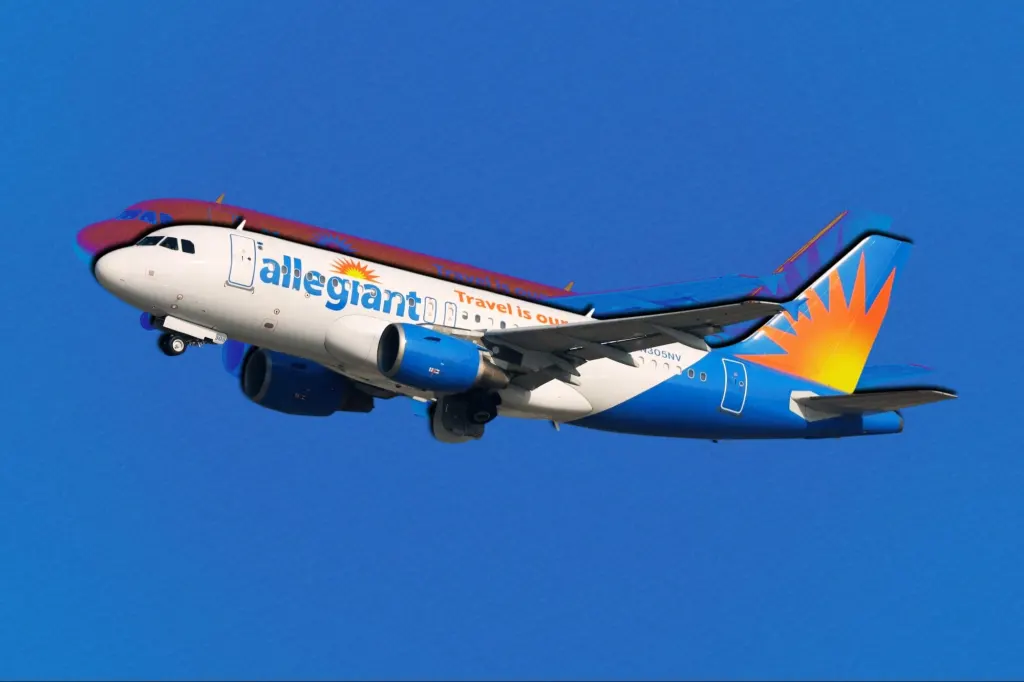
Allegiant Travel Company has officially completed its $1.5 billion acquisition of Sun Country Airlines, marking one of the most significant consolidation moves in the U.S. low-cost airline sector in recent years.
The merger comes at a turbulent moment for the airline industry, with carriers facing soaring fuel costs, shifting travel demand, labor pressures, and growing competition from dominant legacy airlines. Yet Allegiant CEO Greg Anderson believes the combined company is positioned to thrive precisely because it is not following the traditional growth-at-all-costs strategy that has hurt many discount airlines in recent years.
“Our model was built to protect margins and not chase growth,” Anderson said following the closing of the acquisition.
That philosophy is now becoming central to the merged airline’s long-term strategy as it seeks to compete against much larger U.S. carriers while avoiding the operational and financial instability that has recently hit parts of the budget airline industry.
A Major Deal in the Low-Cost Airline Market
The acquisition, first announced in January, combines two well-known leisure-focused airlines that specialize in connecting smaller and underserved U.S. cities with major vacation destinations.
The $1.5 billion cash-and-stock transaction, including debt, creates a significantly larger combined airline network that will serve approximately 175 cities and operate more than 650 routes across the United States and select international leisure markets.
For now, both Allegiant and Sun Country will continue operating under separate brands and maintain independent booking platforms. However, analysts expect operational integration and cost synergies to gradually increase over time.
The merger reflects a broader consolidation trend across the airline industry as smaller carriers attempt to gain scale and improve profitability in an increasingly competitive environment.
Allegiant’s Strategy Focuses on Flexibility Over Expansion
Unlike many airlines that aggressively expand routes and flight frequency to gain market share, Allegiant has built its business model around highly selective capacity management.
The company intentionally adjusts flight schedules based on seasonal demand patterns, maximizing profitability during peak travel periods while significantly reducing operations during weaker demand windows.
For example, Allegiant may aggressively expand service during summer holidays, spring break, or long weekends but sharply cut back flying during slower weekdays or off-peak months.
Anderson explained that the airline is willing to park large portions of its fleet during low-demand periods instead of flying less profitable routes simply to maintain market presence.
That flexibility helps the company protect margins even when operating conditions become difficult.
The strategy also allows Allegiant to maintain stronger pricing power by limiting excess seat availability during periods of weaker consumer demand.
Industry analysts say this disciplined approach has helped Allegiant avoid some of the financial struggles experienced by other ultra-low-cost carriers that expanded too aggressively after the pandemic travel recovery.
Rising Fuel Prices Are Pressuring the Entire Industry
The airline sector is currently facing one of its biggest operational challenges in years due to rapidly increasing jet fuel costs.
Fuel prices have surged sharply following escalating geopolitical tensions in the Middle East and disruptions linked to the conflict involving Iran. Since February, jet fuel prices have roughly doubled in some markets, adding billions of dollars in additional operating costs for airlines globally.
Jet fuel is typically the second-largest expense for airlines after labor, meaning even modest increases can significantly impact profitability.
Many carriers have responded by raising ticket prices, reducing schedules, or trimming less profitable routes.
Anderson said Allegiant’s operating model has helped insulate the airline from some of the volatility affecting competitors.
He added that demand from budget-conscious leisure travelers remains surprisingly resilient despite higher airfare prices and broader economic uncertainty.
This is especially important because Allegiant and Sun Country both cater heavily to price-sensitive vacation travelers rather than premium corporate passengers.
Sun Country Adds Diversification Through Cargo Operations
One advantage of the acquisition is that Sun Country brings a more diversified revenue stream to the combined company.
In addition to passenger travel, Sun Country operates cargo flights for Amazon, providing additional income stability beyond traditional passenger operations.
Cargo operations became increasingly valuable for airlines during the pandemic and continue to offer strategic diversification during periods of fluctuating travel demand.
The addition of cargo capabilities may help smooth earnings volatility while providing Allegiant with broader operational flexibility moving forward.
Industry Consolidation Accelerates After Spirit Collapse
The timing of the merger is particularly notable because it comes only weeks after the collapse of Spirit Airlines, one of the most dramatic failures in the U.S. airline industry in decades.
Spirit’s shutdown highlighted the growing challenges facing ultra-low-cost carriers in an environment defined by higher operating expenses, rising labor costs, aircraft shortages, and increased competition from larger airlines.
Many budget airlines previously relied heavily on aggressive expansion and extremely low fares to drive growth. However, those strategies have become more difficult to sustain as operating costs continue climbing.
Analysts say Allegiant’s more conservative approach may now look increasingly attractive to investors compared with competitors that prioritized rapid expansion.
Raymond James airline analyst Savanthi Syth said Allegiant’s profitability demonstrates that certain low-cost business models can still succeed if managed carefully.
Legacy Airlines Still Dominate the U.S. Market
Despite the merger, Allegiant and Sun Country remain relatively small players compared with the dominant U.S. airline giants.
The four largest carriers — Delta Air Lines, American Airlines, United Airlines, and Southwest Airlines — collectively control roughly 80% of the domestic U.S. airline market according to federal industry data.
That dominance creates enormous competitive pressure for smaller carriers attempting to expand nationally.
Rather than directly competing with major airlines on high-frequency business routes, Allegiant and Sun Country have traditionally focused on underserved regional airports and leisure destinations where competition is less intense.
This niche strategy has allowed both airlines to maintain lower operating costs while targeting travelers seeking affordable vacation options.
Capacity Discipline Remains Central to Future Plans
Allegiant has already signaled that it plans to maintain strict control over growth following the acquisition.
The company recently forecast a 6.5% reduction in second-quarter capacity compared with the previous year, while third-quarter capacity is expected to remain flat or slightly lower.
That cautious approach reflects management’s focus on profitability rather than simply expanding route networks.
Executives appear determined to avoid the overcapacity problems that have hurt several airlines in recent years, particularly during periods of weaker consumer demand.
The strategy also suggests Allegiant sees flexibility as more valuable than rapid expansion in the current environment.
The Future of Budget Airlines Is Changing
The completion of the Sun Country acquisition highlights how the low-cost airline industry is evolving.
The era of ultra-aggressive expansion fueled purely by cheap fares may be fading as airlines adapt to a world of higher fuel prices, stricter financial discipline, and more volatile travel demand.
Instead, successful low-cost carriers may increasingly rely on targeted route planning, seasonal flexibility, operational efficiency, and diversified revenue streams to remain profitable.
For Allegiant, the merger represents more than just an expansion deal — it is a test of whether disciplined growth and strategic restraint can outperform the high-risk strategies that once defined much of the discount airline sector.
.webp)
Popular articles



Subscribe to unlock premium content
Why Madagascar’s Baobab Forests Are Becoming Exclusive Eco-Luxury Retreat Destinations

The Secret Market of Iceberg Water Bottling in Newfoundland, Canada

Why Seychelles’ Private Island Hopping Experiences Are Becoming a Billion-Dollar Niche

Why Madagascar’s Baobab Forests Are Becoming Exclusive Eco-Luxury Retreat Destinations
The Secret Market of Iceberg Water Bottling in Newfoundland, Canada
Why Madagascar’s Baobab Forests Are Becoming Exclusive Eco-Luxury Retreat Destinations


