Airport Security Chaos Grows As TSA Staffing Shortages Trigger Massive Travel Delays

Airport Security Chaos Grows As TSA Staffing Shortages Trigger Massive Travel Delays
By
David Goldfarb
Last updated:
March 9, 2026
First Published:
March 9, 2026

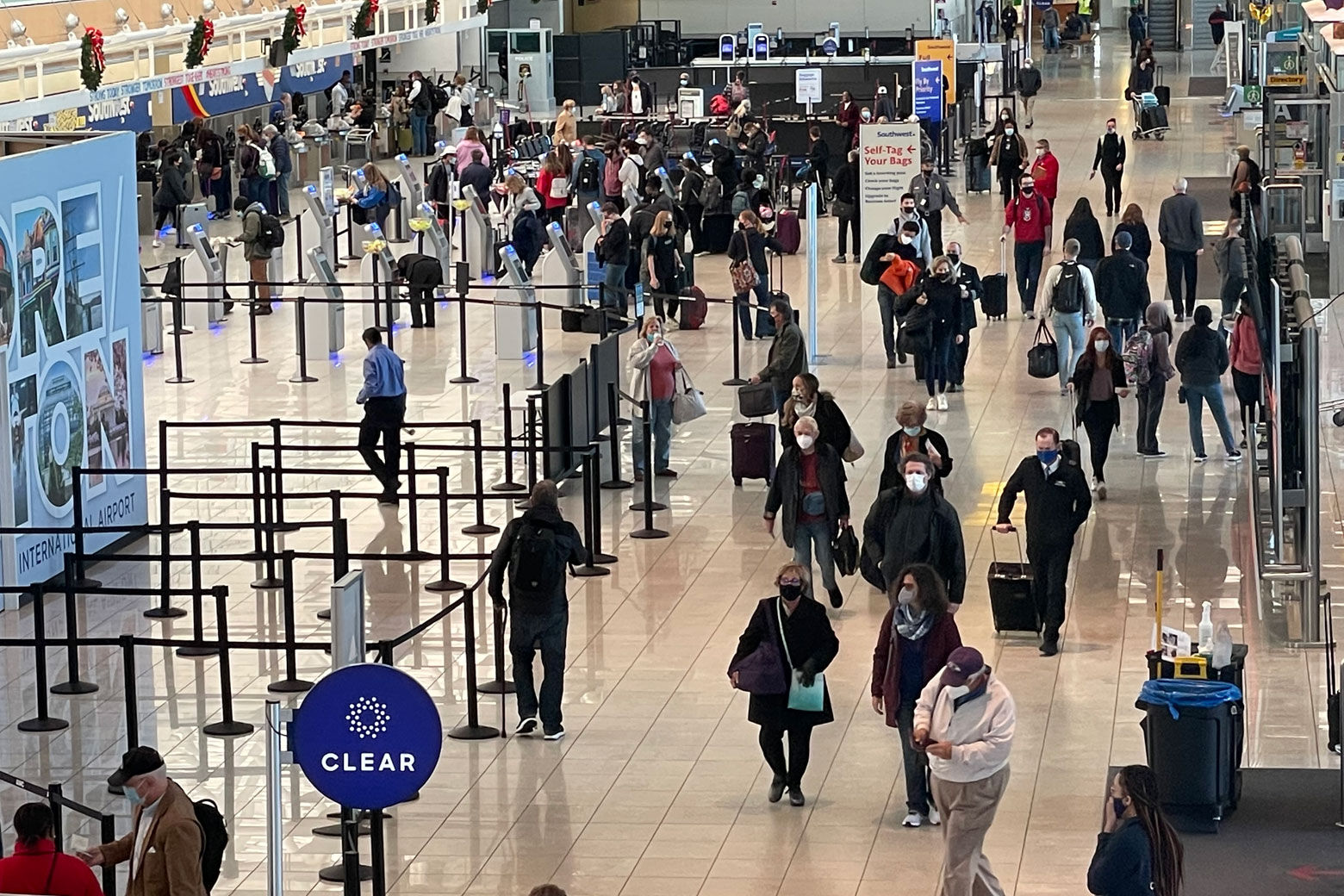
Photo: WTOP
Long Security Lines Disrupt Travel Across Major U.S. Airports
Travelers across several major U.S. airports are facing unusually long security lines as staffing shortages within the Transportation Security Administration disrupt airport operations.
Airports in cities including Houston, Atlanta and New Orleans have reported security wait times stretching well beyond normal levels, with some passengers standing in line for several hours before reaching screening checkpoints.
Officials at William P. Hobby Airport in Houston warned travelers over the weekend that wait times could exceed three hours, urging passengers to arrive as early as five hours before departure to avoid missing flights.
The situation has created significant frustration for passengers and airline staff alike, particularly as the busy spring break travel season begins and millions of Americans prepare to fly.
Industry analysts say the disruptions highlight how dependent the airline system is on the roughly 60,000 TSA employees who manage security screening at more than 440 U.S. airports.
Government Shutdown Leaves TSA Officers Working Without Pay
The staffing challenges stem from the ongoing partial U.S. government shutdown, which began in mid February and has affected agencies within the Department of Homeland Security.
While airport security operations remain active, TSA officers are continuing to work without receiving their regular paychecks until the shutdown ends.
This has created financial strain for thousands of federal employees, leading to higher absentee rates and staffing gaps at security checkpoints across the country.
The TSA has not released exact numbers for current callouts, but internal reports indicate that absentee levels have climbed noticeably since the shutdown began.
During the previous major shutdown between December 2018 and January 2019, TSA absentee rates rose to nearly 10 percent nationwide, forcing the closure of several security lanes and contributing to widespread delays at airports.
Experts warn that similar patterns may emerge if the current shutdown continues for several more weeks.
Major Airports Issue Early Arrival Warnings
Several major airports have begun advising travelers to arrive significantly earlier than usual to compensate for slower security processing.
At Hartsfield Jackson Atlanta International Airport, the world’s busiest airport handling more than 100 million passengers annually, officials recommended that travelers arrive at least three hours before domestic flights.
Meanwhile, Louis Armstrong New Orleans International Airport issued a public advisory warning passengers about long wait times and encouraging them to plan extra time for security screening.
Airport authorities in New Orleans said they have deployed additional staff to manage passenger flow and help keep long lines organized while coordinating with federal officials to address the staffing shortages.
Despite these efforts, airport officials acknowledge that they have limited control over TSA operations, since security screening is handled by federal personnel rather than local airport employees.
Airlines Warn Of Growing Operational Risks
The airline industry has expressed growing concern about the impact of TSA staffing shortages on flight schedules and passenger confidence.
Airlines for America, an industry group representing major carriers including American Airlines, Delta Air Lines, Southwest Airlines and United Airlines, warned that prolonged disruptions could significantly affect travel operations nationwide.
Chris Sununu, the organization’s chief executive, said airlines have already taken steps to prepare for peak travel demand but emphasized that the broader issue requires political resolution.
According to the group, U.S. airlines collectively carry more than 2.5 million passengers per day, making smooth airport security operations critical for the entire aviation system.
Even minor slowdowns at security checkpoints can cause ripple effects that lead to missed flights, delayed departures and overcrowded terminals.
Spring Break Travel Surge Adds Pressure
The timing of the staffing shortage is particularly challenging because it coincides with one of the busiest travel periods of the year.
Spring break typically sees a sharp increase in leisure travel across the United States, with popular destinations such as Florida, Texas and Louisiana experiencing large surges in passenger volume.
Travel data from industry tracking firms suggests that more than 45 million Americans are expected to travel during the spring break period, with airports operating close to peak capacity.
When security staffing falls short during these high demand periods, lines can grow rapidly, especially during early morning departure waves when dozens of flights depart within short time windows.
Travel experts recommend that passengers monitor airport updates closely and allow extra time for check-in and security screening.
Airlines Face Additional Global Challenges
The domestic airport disruptions are unfolding at a time when airlines are already dealing with a range of external challenges affecting operations and costs.
One of the most significant pressures is the recent surge in global oil prices following military tensions in the Middle East. Rising fuel costs have historically been one of the largest operating expenses for airlines, second only to labor.
Recent geopolitical developments involving the United States, Israel and Iran have pushed crude oil prices sharply higher, increasing jet fuel prices worldwide and putting additional pressure on airline profit margins.
At the same time, airlines have also been forced to cancel or reroute flights due to airspace closures and security concerns in parts of the Middle East.
Industry analysts estimate that thousands of flights have been disrupted globally as carriers adjust routes to avoid conflict zones.
What Travelers Should Expect In The Coming Weeks
Until the government shutdown is resolved and TSA employees receive their regular pay, airport security operations may continue to experience staffing shortages and unpredictable delays.
Travelers are being advised to:
Arrive at airports at least three hours before domestic flights during peak travel periods
Monitor airport and airline updates for security wait times
Use expedited screening programs such as TSA PreCheck where available
Avoid last-minute arrival at security checkpoints
Aviation experts say the situation could stabilize quickly once federal funding is restored, but until then airports may continue to experience sporadic congestion at security checkpoints.
For millions of travelers planning trips in the coming weeks, patience and extra preparation may be the only way to navigate the current travel disruptions.
.webp)
Popular articles



Subscribe to unlock premium content
Gaming Beyond Generations

Step Inside London’s Interactive Theater Phenomenon

The Garage That Defines Status in Dubai

Gaming Beyond Generations
Step Inside London’s Interactive Theater Phenomenon
Gaming Beyond Generations