AI Hype or Reality? OpenAI’s Sam Altman Warns of a Growing Bubble in the Industry

AI Hype or Reality? OpenAI’s Sam Altman Warns of a Growing Bubble in the Industry
By
Alina Sinclair
Last updated:
August 19, 2025
First Published:
November 30, 2025

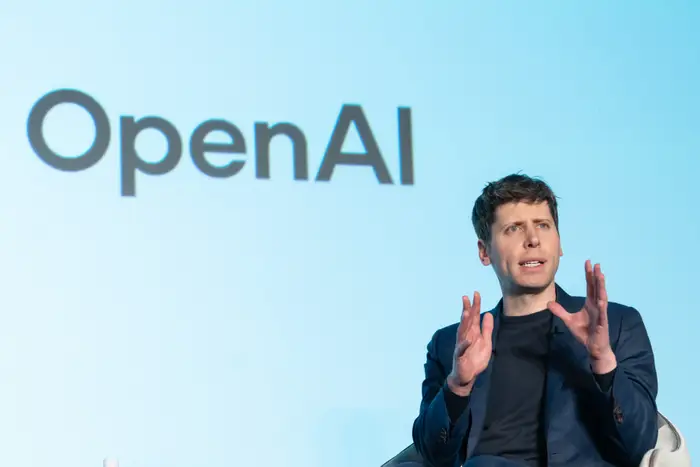
Photo: Business Insider
The artificial intelligence industry is at the center of global attention, but OpenAI CEO Sam Altman believes the excitement may have gone too far. Speaking recently, Altman cautioned that the sector is showing clear signs of a bubble, even while acknowledging that AI is one of the most transformative technologies of our time.
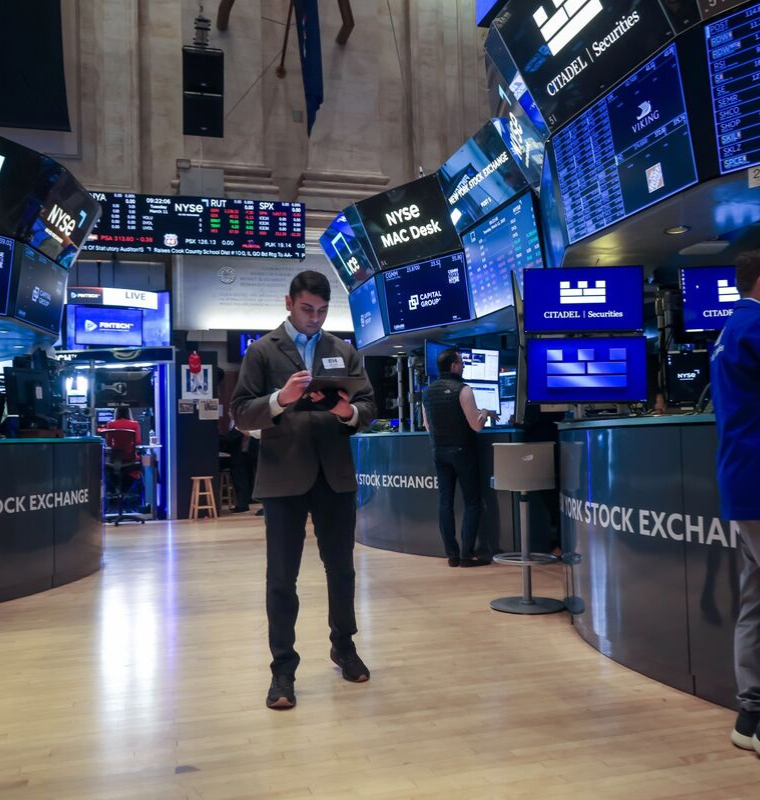
Altman’s remarks come at a time when OpenAI itself is in discussions to sell roughly $6 billion worth of stock at a valuation of about $500 billion, according to CNBC. This enormous figure illustrates just how much capital is flooding into AI, but it also raises questions about whether investor enthusiasm has outpaced reality.
The Case for an AI Bubble
Altman openly admitted that investors are “overexcited” about AI. The surge in funding, partnerships, and valuations suggests a classic bubble scenario—where money pours in faster than the technology can deliver widespread, sustainable results.
While breakthroughs like ChatGPT, generative AI tools, and autonomous systems are undeniably groundbreaking, Altman’s words highlight the potential risks of inflated expectations. Investors may assume every company touching AI will yield massive returns, but as history shows with the dot-com bubble, not every player survives.
Competition Heats Up Globally
Adding to the pressure is international competition. Altman has warned that the U.S. risks underestimating the speed of China’s AI advancements. Chinese firms are investing aggressively, aiming to dominate sectors from facial recognition to robotics. For global markets, this creates both an opportunity and a risk—potential innovation gains, but also heightened geopolitical and economic tensions.
Big Money Still Pouring In
Despite Altman’s concerns, the capital keeps flowing. Intel, once the undisputed leader in semiconductors, is receiving a $2 billion investment from Japan’s SoftBank. This infusion is seen as a lifeline for Intel, which has struggled to keep pace with Taiwan’s TSMC and South Korea’s Samsung in producing the high-performance chips that power AI systems.
Masayoshi Son, SoftBank’s visionary but often risk-taking CEO, sees Intel as part of his broader bet on AI infrastructure. Yet, if Altman’s bubble theory proves right, the return on such investments could be less rewarding than expected.
Is Everyone Overestimating AI?
Not all analysts share Altman’s skepticism. Ray Wang, a technology research director at Futurum Group, emphasizes that AI is not a single monolithic market. Some companies, like OpenAI, NVIDIA, and Google DeepMind, are clear leaders with strong business models, while others are still finding their footing.
This distinction matters because while weaker players may collapse if the bubble bursts, industry leaders could continue to thrive, much like Amazon and Google did after the dot-com crash.
A Market in Reflection
Much like a soap bubble that reflects dazzling colors before disappearing, today’s AI market may look brilliant but fragile. Altman’s words force both investors and policymakers to question whether the momentum is built on sustainable innovation or speculative excitement.
Whether AI continues to soar or faces a painful correction will depend on the balance between long-term value creation and short-term investor frenzy. For now, the bubble may not have popped—but it is certainly stretching thin.
.webp)
Popular articles



Subscribe to unlock premium content
Visa and the Invisible Engine Powering Global Digital Money

Disney’s Streaming Empire Built on Regional Storytelling Power
The Slow Revolution of Steel and Memory Across Eastern Europe

Visa and the Invisible Engine Powering Global Digital Money
Disney’s Streaming Empire Built on Regional Storytelling Power
Visa and the Invisible Engine Powering Global Digital Money