AI Ethics Standoff Intensifies as Defense Negotiations Reach Critical Moment

AI Ethics Standoff Intensifies as Defense Negotiations Reach Critical Moment
By
Alina Sinclair
Last updated:
February 27, 2026
First Published:
February 27, 2026

Photo: FinTech Weekly
A High-Stakes Clash Over How Military AI Should Be Used
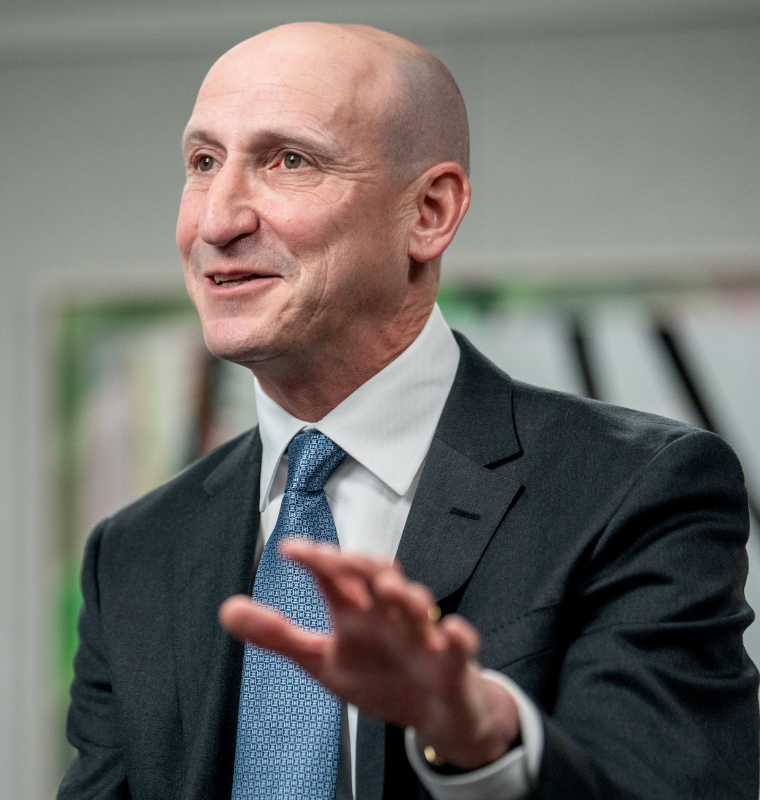
Tensions between AI developer Dario Amodei and the Department of Defense have escalated as both sides negotiate the scope of how advanced language models can be deployed in national security settings.
Amodei reiterated that the company cannot agree to blanket permission allowing its systems to be used for every lawful military application. The core issue is not whether the military can use AI, but how far those uses should extend. Anthropic is pushing for explicit guardrails that prohibit deployment in fully autonomous weapons platforms and large-scale domestic surveillance programs.
According to people familiar with the talks, discussions have intensified over the past several weeks, reflecting the broader global debate about how generative AI should intersect with defense operations.
Pressure From Defense Leadership
Defense officials have signaled they want flexibility to deploy AI tools wherever they are legally permitted, arguing that operational readiness depends on access to cutting-edge technology.
Defense Secretary Pete Hegseth reportedly warned that failure to reach an agreement could lead to the company being designated a supply-chain risk. Officials also floated the possibility of invoking the Defense Production Act, a move that would compel cooperation from private industry in the interest of national security.
Despite the pressure, Anthropic has maintained that threats of regulatory or contractual action will not alter its stance. Company leadership argues that establishing clear ethical limits now is essential as AI systems become more capable and widely integrated into defense infrastructure.
What Each Side Wants
The Pentagon’s position centers on operational flexibility. Officials say they have no intention of using AI for unlawful surveillance or fully autonomous lethal systems, emphasizing that such activities would violate existing law. However, they want contractual language that allows the models to be used for any lawful mission, from logistics optimization to intelligence analysis.
Anthropic, meanwhile, is seeking two explicit assurances:
• A prohibition on autonomous weapons decision-making
• A ban on mass surveillance of U.S. citizens
Company executives argue that these provisions are necessary to maintain public trust and set industry norms as AI capabilities scale.
Contract Value and Industry Context
The dispute carries significant financial and strategic implications. Anthropic signed a defense contract worth approximately $200 million, making it one of the first AI labs to deploy models directly into classified mission workflows.
Its competitors have taken a more permissive approach. OpenAI, Google, and xAI have all secured similar awards, each potentially totaling up to $200 million. Those agreements generally allow the military to use AI systems for any lawful purpose within unclassified environments, with some expanding into classified networks.
Industry analysts estimate that defense-related AI spending could exceed $50 billion globally by 2030, making government partnerships a major growth driver for leading model developers.
The Strategic Stakes for Both Sides
For the Pentagon, access to frontier AI capabilities is increasingly viewed as a competitive necessity, particularly as global powers invest heavily in autonomous systems, cyber defense, and intelligence automation. Officials argue that restricting tools could slow decision cycles and reduce battlefield awareness.
For Anthropic, the calculus is reputational as much as commercial. The company has positioned itself as a safety-focused lab, and leadership believes that maintaining strict use policies strengthens long-term trust with governments, enterprises, and the public.
Amodei indicated that while the company prefers to continue supporting defense missions, it is prepared to step aside if its safeguards cannot be preserved, pledging to help transition operations to another provider to avoid disruption.
A Signal for the Future of AI Governance
This standoff illustrates a broader turning point for the AI industry. As models become embedded in critical infrastructure, negotiations are shifting from purely technical performance to governance, ethics, and liability.
Whether the parties reach a compromise or part ways, the outcome is likely to influence how future defense contracts are structured and how other AI firms balance commercial opportunity with ethical constraints.
In many ways, the dispute is less about one contract and more about setting precedents for how powerful AI systems will be controlled in the years ahead.
.webp)
Popular articles



Subscribe to unlock premium content
The Financial Sweet Spot

Nostalgia Sells: How Food & Beverage Giants Cash In on Memories

Where Winter Becomes a $100 Million Playground

The Financial Sweet Spot
Nostalgia Sells: How Food & Beverage Giants Cash In on Memories
The Financial Sweet Spot