AI Could Replace Half of Enterprise Software, Mistral Chief Warns

AI Could Replace Half of Enterprise Software, Mistral Chief Warns
By
Junia Wells
Last updated:
February 19, 2026
First Published:
February 19, 2026


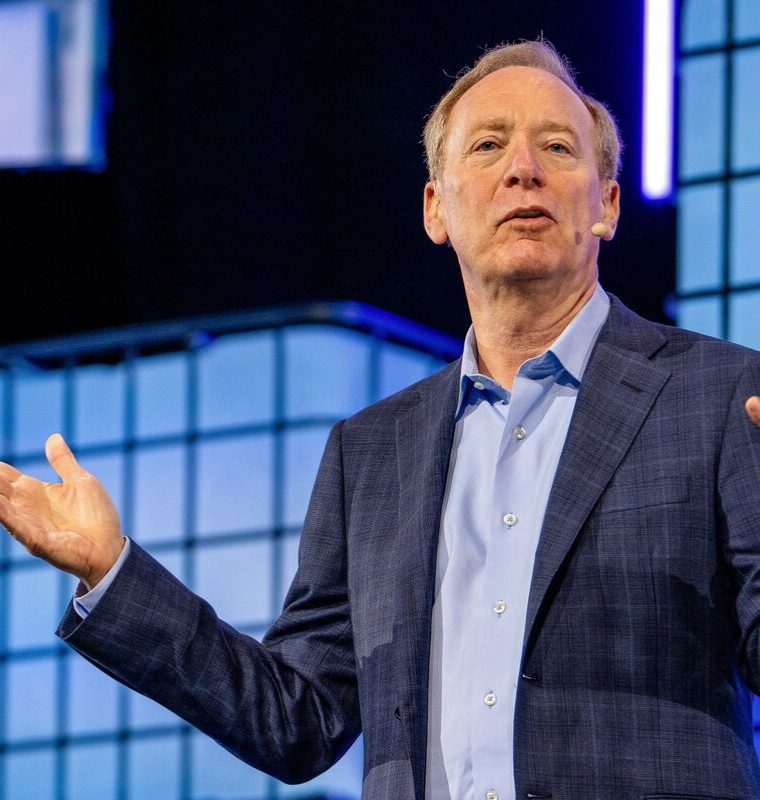
Arthur Mensch, founder of Mistral AI, during the ‘Nvidia GTC’ meeting at the 2025 VivaTech conference in Paris, France, on Wednesday, June 11, 2025.
Nathan Laine | Bloomberg | Getty Images
A Turning Point for Enterprise Technology
Arthur Mensch, chief executive of Mistral AI, says the shift toward artificial intelligence in the workplace is accelerating so quickly that more than half of the software currently used by large organizations could eventually be replaced or fundamentally redesigned around AI systems.
His comments come at a time when investors are reassessing the long-term outlook for traditional software vendors, particularly those built on subscription-based SaaS models, as generative AI tools increasingly handle tasks once managed by specialized applications.
Why Investors Are Paying Attention
The prospect of AI reshaping enterprise software has already rippled through markets. Broad software indices and several major technology names have faced volatility as analysts debate whether AI will compress pricing power, reduce seat-based subscriptions, or shift spending toward infrastructure and AI platforms instead.
Concerns intensified after the launch of new AI-driven workplace tools that can automate coding, analytics, customer support, and internal workflows — functions that historically required multiple standalone SaaS products.
According to Mensch, the change is not incremental but structural. He argues that organizations are beginning a large-scale “replatforming” cycle, replacing legacy stacks with AI-native systems capable of generating applications on demand.
From SaaS Tools to AI-Native Workflows
Mensch noted that advances in model capabilities and development frameworks mean enterprises can now build tailored applications in days rather than months. With the right data pipelines and cloud infrastructure, companies can deploy AI agents to manage procurement, supply chains, internal knowledge bases, and operational reporting.
In many cases, these AI-driven tools reduce the need for niche vertical software, lowering licensing costs and simplifying tech stacks. Early enterprise adopters working with Mistral have reportedly built production-ready workflow tools within a few days — a process that previously required significant engineering resources and long vendor contracts.
Still, he emphasized that not all software is equally vulnerable. Systems of record — such as core databases, financial ledgers, and compliance platforms — are expected to remain essential, often serving as the foundational layer that AI applications rely on.
A Massive Market Opportunity
For AI vendors, the replatforming trend represents a potentially multi-hundred-billion-dollar opportunity. Mistral says it now works with more than 100 enterprise customers exploring how AI can streamline operations, cut costs, and modernize decades-old IT environments.
Companies are particularly motivated by rising software spending, which in large enterprises can run into tens of millions of dollars annually across hundreds of applications. AI consolidation promises not only efficiency gains but also faster innovation cycles.
Industry leaders broadly share this view, with many executives predicting that workflow automation software will face the most disruption, while data infrastructure and security layers could see increased demand as AI adoption scales.
Expansion Plans and the India Push
As adoption accelerates globally, Mistral is expanding its geographic footprint. The company plans to open its first office in India, targeting both public- and private-sector organizations in one of the world’s fastest-growing digital economies.
Rather than building extensive physical infrastructure locally, the firm intends to partner with established data-center and cloud providers in the region. This approach aligns with regulatory trends encouraging local data storage and domestically deployable AI models.
India’s linguistic diversity — spanning major languages such as Hindi, Tamil, and Punjabi — is another strategic focus. Multilingual model capabilities are expected to play a critical role in consumer and enterprise applications across the country’s vast digital population.
The Bigger Industry Shift
The broader implication of Mensch’s outlook is that enterprise software may be entering its largest transformation since the move to cloud computing. Instead of purchasing dozens of specialized tools, companies could increasingly rely on a smaller number of AI platforms capable of generating and orchestrating functionality dynamically.
While the timeline remains uncertain, the direction of travel is becoming clearer: software is evolving from static applications into adaptive systems built around data and AI models.
Bottom Line
Mistral’s leadership believes the enterprise tech stack is on the verge of a profound redesign, with AI poised to absorb a substantial share of traditional software functionality. For businesses, the shift promises efficiency and agility; for investors and software vendors, it signals both disruption and opportunity as the next phase of digital transformation unfolds.

Popular articles


Subscribe to unlock premium content
Healing from Afar in Brazil

The Culinary Revolution Delivered to Your Door

Paws of Prestige in Singapore

Healing from Afar in Brazil
The Culinary Revolution Delivered to Your Door
Healing from Afar in Brazil