AI Boom Faces Hidden Risk as Middle East Funding Uncertainty Looms Over Global Tech Investments

AI Boom Faces Hidden Risk as Middle East Funding Uncertainty Looms Over Global Tech Investments
By
Augusta Parker
Last updated:
May 1, 2026
First Published:
May 1, 2026

.webp)
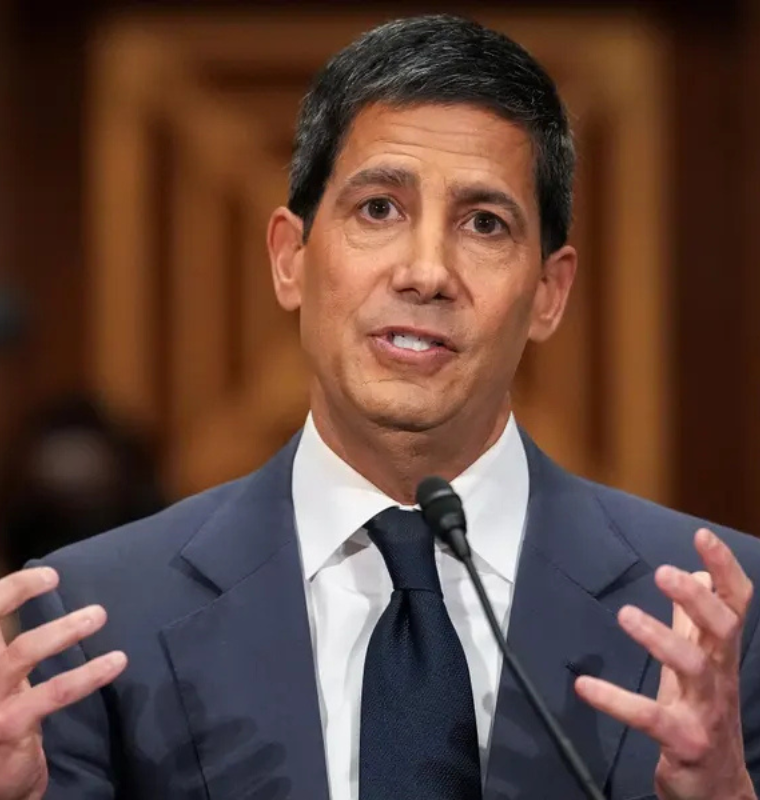
Photo: Bloomberg News
The global artificial intelligence boom may be far more fragile than it appears. According to veteran tech investor Jack Selby, markets are significantly underestimating the risks tied to Middle Eastern capital, which has quietly become a cornerstone of AI funding worldwide.
As geopolitical tensions rise, particularly involving Iran and the broader region, Selby cautions that a potential pullback in investment from Gulf nations could send shockwaves through the entire AI ecosystem—from data centers to publicly traded tech giants.
A Critical but Overlooked Source of AI Capital
Middle Eastern investors, including sovereign wealth funds and state-backed entities, are playing an outsized role in financing the next phase of artificial intelligence growth.
Estimates suggest that roughly 25% of global AI investment commitments over the next five years are tied to the region. That includes funding for large-scale infrastructure such as hyperscale data centers, as well as direct investments into private AI companies.
This capital has been instrumental in enabling the rapid expansion of compute capacity, which underpins everything from generative AI models to enterprise automation platforms.
However, Selby argues that markets are not fully pricing in the risk that this funding could slow or reverse.
Geopolitical Tensions Could Trigger Capital Reallocation
The biggest concern is not just volatility, but a structural shift in priorities.
If conflicts in the Middle East intensify or drag on, countries like the United Arab Emirates and Saudi Arabia may redirect capital inward to support domestic economic stability and reconstruction efforts. Such a shift could pull hundreds of billions of dollars away from global AI projects.
The consequences would extend far beyond regional markets.
Large-scale AI infrastructure projects, particularly energy-intensive data centers, rely heavily on long-term capital commitments. A sudden withdrawal or delay in funding could stall construction timelines, disrupt supply chains, and weaken earnings expectations for companies tied to the AI ecosystem.
Selby notes that early warning signs are already emerging, with some regional entities invoking force majeure clauses to cancel or delay commercial agreements in other sectors.
Data Centers Sit at the Center of the Risk
A significant portion of Middle Eastern AI investment is concentrated in data center infrastructure.
Roughly half of the region’s allocated capital is believed to be directed toward building and operating data centers locally, while the remaining portion supports global projects and equity investments.
These facilities are essential to powering AI workloads, requiring massive amounts of electricity, advanced chips, and cooling systems. Major global tech firms are already partnering with Middle Eastern investors to build multi-gigawatt-scale campuses.
For example, several high-profile collaborations involve infrastructure capable of delivering up to 5 gigawatts of computing capacity—enough to support some of the largest AI deployments in the world. Additional long-term commitments include multi-billion-dollar investments scheduled through the end of the decade.
If even a fraction of these projects are delayed or canceled, the ripple effects could be substantial, impacting hardware suppliers, cloud providers, and software developers alike.
AI Spending Boom Raises Bubble Concerns
Beyond geopolitical risks, Selby highlights a broader concern: the possibility that the AI sector is entering bubble territory.
Global spending on AI infrastructure is accelerating at an unprecedented pace, with hyperscale technology companies expected to invest more than $700 billion this year alone. This level of capital intensity far exceeds previous technology cycles, including the dot-com era.
While AI is undeniably transformative, Selby warns that the current environment is characterized by aggressive valuations and indiscriminate investment behavior. Companies across the value chain—from chipmakers to data center operators—are being priced for near-perfect execution.
History suggests that such conditions rarely end smoothly.
Selby draws parallels to the late 1990s, when early internet companies attracted massive capital before being overtaken by more efficient and scalable players. In that cycle, a handful of winners emerged, while many others collapsed under the weight of inflated expectations.
He believes the same pattern could repeat in AI, but on a much larger scale, with potential losses reaching tens or even hundreds of billions of dollars.
Shifting Investment Strategy Away From Crowded Markets
In response to these risks, Selby is adjusting his investment approach.
Through his venture firm Copper Sky, he is focusing on opportunities outside traditional tech hubs such as California, New York, and Massachusetts. These regions continue to attract the majority of venture capital, driving up valuations and increasing competition.
By contrast, startups in less saturated markets often offer more attractive entry points and lower capital requirements, creating better risk-adjusted returns.
This strategy reflects a broader trend among investors seeking diversification and value in an increasingly crowded AI landscape.
Family Offices Face Growing Pressure and Risk
Selby also highlights a shift in how capital is being deployed, particularly among family offices.
Frustrated by weak returns from traditional venture capital and private equity funds, many ultra-wealthy investors are increasingly making direct investments into startups. Industry surveys indicate that a majority of family offices have already adopted this approach.
While this trend provides startups with additional funding sources, it also introduces new risks.
Direct investing requires specialized expertise in valuation, due diligence, and operational management—skills that many family offices may lack. As a result, capital may be deployed inefficiently, further inflating valuations and increasing the likelihood of losses.
Selby suggests that some investment decisions are being driven more by social signaling than disciplined analysis, particularly in high-profile sectors like AI, space technology, and advanced robotics.
The Bottom Line
The artificial intelligence boom is entering a critical phase, where capital flows and geopolitical dynamics could play as important a role as technological innovation.
Middle Eastern investors have become a foundational pillar of global AI funding, yet their influence remains underappreciated by markets. Any disruption to this capital pipeline could have far-reaching consequences across the tech ecosystem.
At the same time, rising valuations and aggressive spending are increasing the risk of a market correction.
For investors, the message is clear: the AI opportunity remains enormous, but so are the risks. Understanding where the capital is coming from—and how stable it is—may prove just as important as identifying the next breakthrough technology.
.webp)
Popular articles



Subscribe to unlock premium content
Step Into the Future of Art

London’s Gourmet Playgrounds

The New Frontier of Children’s Entertainment

Step Into the Future of Art
London’s Gourmet Playgrounds
Step Into the Future of Art