Winter Storm Forces More Flight Cancellations as U.S. Travel Disruptions Begin to Ease

Winter Storm Forces More Flight Cancellations as U.S. Travel Disruptions Begin to Ease
By
Leah Rosenfeld
Last updated:
December 29, 2025
First Published:
December 29, 2025

Getty Images
Flight disruptions persist but worst impacts appear to be passing
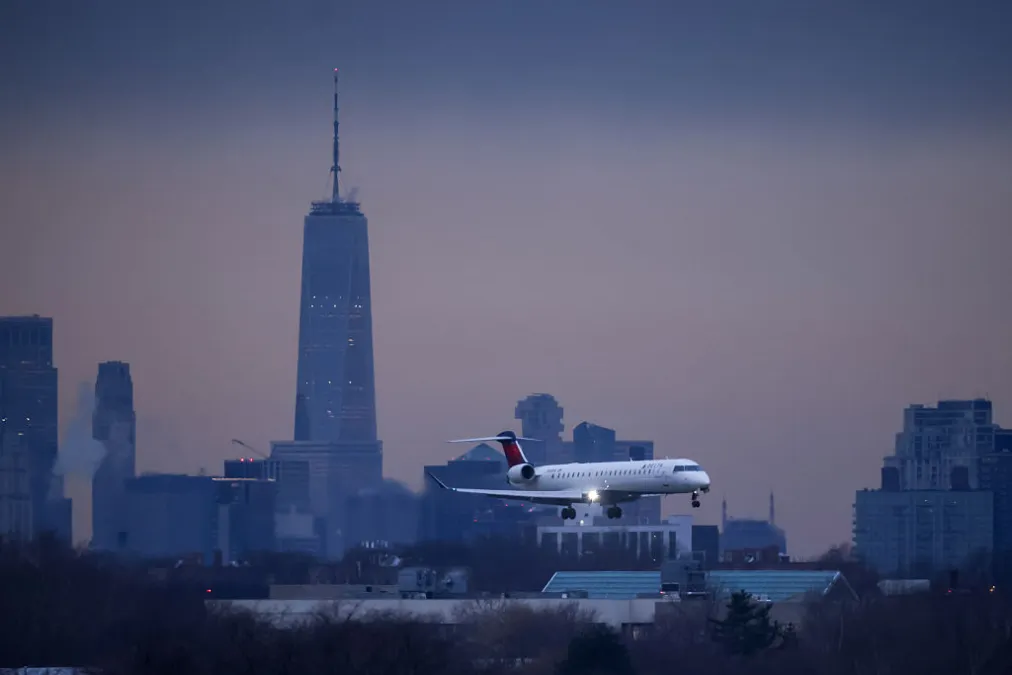
U.S. airlines canceled more than 1,400 flights over the weekend as a powerful winter storm swept across the Northeast, extending travel disruptions into one of the busiest periods of the holiday season. While cancellations continued into Saturday and Sunday, the pace slowed compared with Friday, when more than 1,700 flights were scrubbed in anticipation of the storm.
In addition to cancellations, roughly 11,000 flights experienced delays nationwide, underscoring the strain weather events place on airline operations during peak travel windows.
Northeast airports hit hardest by snow and operational constraints
Although snowfall totals came in lower than early forecasts, major airports in the New York metropolitan area still recorded significant accumulation. John F. Kennedy International Airport and Newark Liberty International Airport each saw more than four inches of snow, according to data from the National Weather Service.
The impact on schedules was substantial. About 130 departures from JFK were canceled, representing nearly 20% of planned flights for the day. New York’s LaGuardia Airport canceled approximately 87 flights, also close to one-fifth of its daily schedule, while Newark canceled 72 departures, or roughly 12% of outbound flights, based on FlightAware tracking.
By Sunday, cancellations had declined further, with fewer than 400 U.S. flights called off, signaling a gradual operational recovery.
Airlines roll out flexible rebooking policies
Major U.S. carriers including American Airlines, Delta Air Lines, United Airlines, Southwest Airlines, and JetBlue Airways implemented travel waivers to ease the burden on affected passengers. These policies allow customers to change flights without paying standard change fees or fare differences, even for restrictive basic economy tickets.
Most airlines require rebooked travel to be completed by the end of the year. Given limited seat availability during the Christmas travel rush, carriers have advised customers to fly as early as possible to improve their chances of securing alternative itineraries.
Holiday travel volumes near record levels
The storm comes at a time of exceptionally high travel demand. Airlines for America, the industry’s main trade group, projects that U.S. carriers will transport approximately 52.6 million passengers between December 19 and January 5, marking one of the busiest holiday travel periods on record.
Peak travel days are expected to cluster around the final weekend before Christmas and the immediate days following the holiday, leaving airlines with little margin for error when weather disruptions arise.
Why airlines cancel flights ahead of major storms
Preemptive cancellations are a standard industry strategy during severe weather events. By grounding flights early, airlines aim to prevent aircraft, crews, and passengers from becoming stranded at congested hubs, which can compound delays and disrupt operations for days.
While disruptive in the short term, these proactive measures are designed to stabilize networks more quickly once conditions improve, allowing carriers to restore schedules and reposition aircraft efficiently.
What travelers should expect next
With weather conditions improving across much of the Northeast, airlines are gradually rebuilding schedules and working through backlogs. Travelers should continue to monitor flight status closely, allow extra time at airports, and remain flexible with plans as crews and aircraft are repositioned.
Although the immediate storm-related disruption is easing, the combination of winter weather risks and record holiday demand means additional delays remain possible through the end of the year.
.webp)
Popular articles



Subscribe to unlock premium content
Iceland’s Geothermal Revolution
Bali’s Digital Detox Revolution

Step Into the Future of Art

Iceland’s Geothermal Revolution
Bali’s Digital Detox Revolution
Iceland’s Geothermal Revolution