What’s Next for Pop Mart After Labubu
By
Alina Sinclair
Last updated:
March 27, 2026
First Published:
March 27, 2026

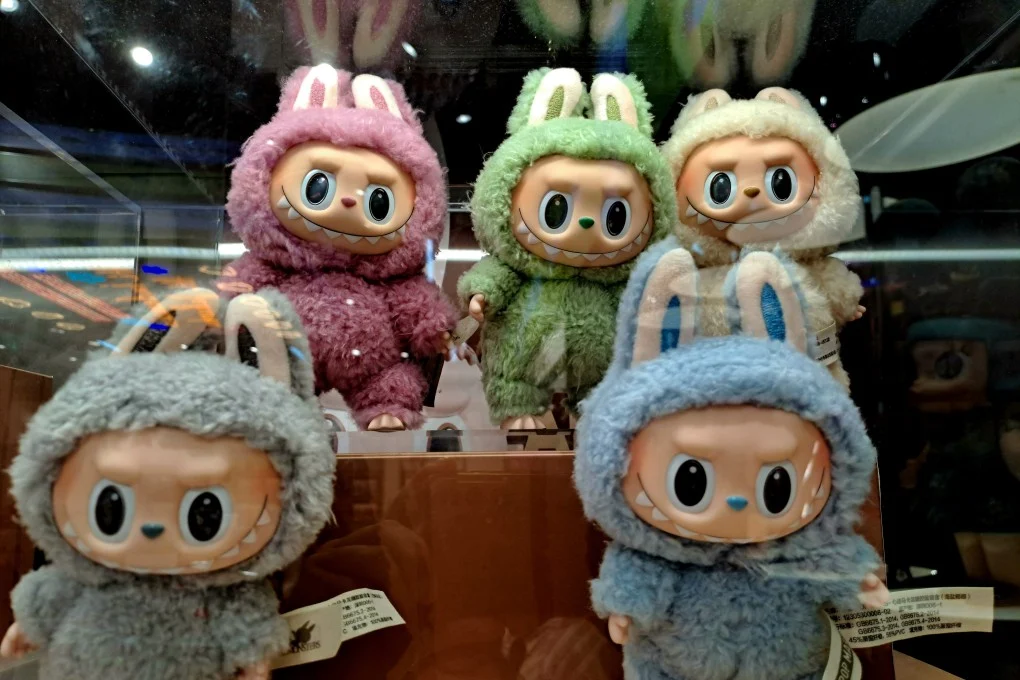
Photo: South China Morning Post
Pop Mart’s meteoric rise with Labubu captured the imagination of collectors worldwide, but as the craze cools, the company is focused on its next growth chapter. Chief Operating Officer Si De outlined a disciplined strategy in a recent interview, emphasizing careful artist selection, data-driven decisions, and diversification beyond toys.
Labubu’s success was staggering. In 2025, Pop Mart’s revenue jumped 185% and net income surged 309%, powered by the blind-box character. Yet as the frenzy fades, the company’s stock has dropped roughly 40% from its August peak, with shares falling more than 22% after the latest earnings report. CEO Wang Ning reassured investors that Pop Mart has more to offer than any single character, likening the company’s situation to a rookie driver suddenly thrust onto an F1 track.
For Pop Mart, sustaining relevance means continuous investment in intellectual property. Drawing inspiration from Disney, Si De said long-term success comes from building worlds around characters through films, theme parks, fashion collaborations, and collectibles. The company’s ambition is not just short-term hype but creating cultural touchstones. “Of course, we hope that Labubu can also last 80, 90, or 100 years,” Si said, noting Mickey Mouse’s near-century-long appeal.
Behind Labubu’s perceived overnight success is a multi-year development process. The character was first introduced in 2019 after Pop Mart licensed it from Hong Kong-Dutch artist Kasing Lung. Development and prototyping took about two years, reflecting the company’s careful approach. Pop Mart scouts artists globally, but only a few make the cut, entering a rigorous incubation process before the company commits resources. Si emphasized that the goal is to nurture a small number of world-class IPs rather than chasing quantity.
Pop Mart relies on data and rapid feedback loops to guide product decisions. Sales, social media trends, and in-store analytics inform adjustments almost in real time. Yet human judgment remains essential. Si stressed that emotional resonance cannot be quantified: a character resonates differently with every individual, and Pop Mart’s role is to keep creating opportunities for those connections. AI supports operations and customer service, but human insight drives artistic and storytelling decisions.
Global expansion is central to the company’s strategy. In 2025, international markets accounted for 44% of Pop Mart’s revenue, with growth expected in the U.S. and Europe. Partnerships with Uniqlo and Paris-based luxury brand Moynat, along with ventures into jewelry—some Labubu gold pieces retailing above $2,000—reflect a diversified approach. Pop Mart is also bringing Labubu to the big screen in collaboration with Sony Pictures and filmmaker Paul King. Theme parks, particularly the expansion of Pop Land in Beijing, aim to create immersive, 360-degree experiences where storytelling, live performances, and merchandise intersect.
Regulatory changes and geopolitical dynamics have shaped operations. Tighter rules on blind-box sales in China and Singapore, as well as U.S.-China trade tensions, prompted Pop Mart to diversify production across Vietnam and Southeast Asia, emphasizing supply chain efficiency over tariff speculation. The company also seeks to position itself as a global cultural brand rather than solely a Chinese soft power example. Si said, “We hope to be a brand that connects artists from around the world with fans from around the world.”
Pop Mart’s strategy combines careful IP selection, global expansion, and immersive experiences to ensure that post-Labubu, the company continues to grow. With a disciplined approach and long-term vision, the Beijing-based toymaker is betting that its next breakout will not only capture attention but sustain it for decades.
.webp)
Popular articles



Subscribe to unlock premium content
Soaring Above Luxury
A Taste of Italy Redefined

Designing the World, One Market at a Time
Soaring Above Luxury
A Taste of Italy Redefined
Soaring Above Luxury