Western Fast-Food Giants Turn to Chinese Private Equity for Growth and Survival

Western Fast-Food Giants Turn to Chinese Private Equity for Growth and Survival
By
Leah Rosenfeld
Last updated:
December 24, 2025
First Published:
December 24, 2025

Getty Images
A Strategic Shift in China Operations
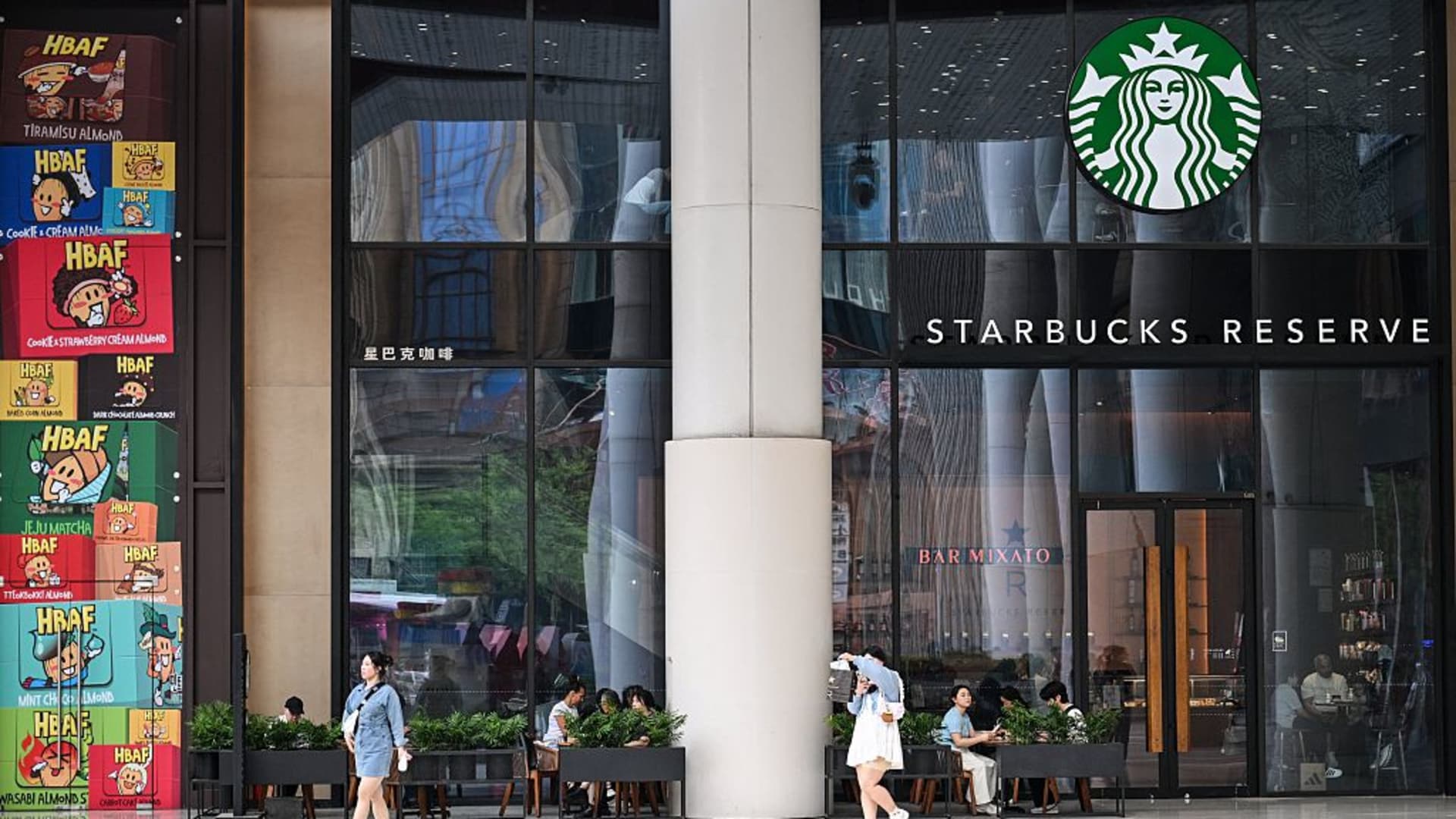
Western food and beverage multinationals are increasingly selling large stakes in their China businesses to domestic private equity firms, marking a significant shift in how global brands operate in the world’s second-largest consumer market. Well-known names such as Starbucks, Burger King, and other international chains have opted to partner with or partially exit through deals with Chinese financial sponsors.
The trend reflects both opportunity and pressure. While China remains a massive growth market, it has also become more complex, competitive, and operationally demanding for foreign companies to manage directly.
Why Chinese Private Equity Is Attractive
Chinese private equity firms have developed a reputation for moving quickly once they take control. They are known for revamping menus to suit local tastes, adjusting pricing strategies in real time, and expanding aggressively, particularly into lower-tier cities where growth potential remains strong.
These firms are often more willing than multinational parents to overhaul management teams, redesign store formats, and renegotiate leases. Their deep relationships with local suppliers, distributors, landlords, and regulators allow them to execute changes faster and at lower cost than overseas owners.
For Western brands facing slower growth, rising costs, and regulatory complexity, this operational agility has become a compelling reason to divest.
Idle Capital Meets Prized Assets
After several years of subdued deal activity, Chinese private equity funds are sitting on significant amounts of undeployed capital. Subsidiaries of multinational consumer brands have emerged as highly attractive targets, offering established brand recognition, nationwide footprints, and relatively predictable cash flows.
Unlike early-stage startups, these businesses already have scale, making them ideal platforms for rapid optimization and expansion under new ownership. For financial sponsors, acquiring a controlling or significant minority stake provides immediate exposure to China’s consumer economy without starting from scratch.
Local Execution Over Global Playbooks
One of the core challenges for Western companies in China has been adapting global strategies to a fast-changing local market. Consumer preferences, pricing sensitivity, and competitive dynamics in China evolve far more quickly than in most developed markets.
Chinese private equity owners tend to prioritize local execution over global brand consistency. This often means faster menu localization, sharper promotional tactics, and more flexible store rollout strategies. While these changes can clash with multinational brand standards, they frequently lead to stronger near-term performance.
Why Western Brands Are Willing to Sell
For multinational food giants, selling a large stake is often less about exiting China entirely and more about risk-sharing and capital reallocation. Many companies are choosing to retain minority stakes or licensing arrangements, allowing them to benefit from future upside while reducing operational exposure.
The proceeds from these deals are frequently redirected toward core markets, debt reduction, shareholder returns, or investments in digital platforms and higher-margin segments.
In an environment of slower global growth and heightened geopolitical uncertainty, simplifying corporate structures has become a priority for many Western consumer companies.
A Broader Industry Pattern
This wave of transactions highlights a broader shift in global consumer strategy. Rather than directly owning and operating assets in every major market, multinational brands are increasingly relying on local partners with deeper market knowledge and execution capabilities.
As Chinese private equity firms continue to refine their consumer playbooks and deploy capital, more Western brands are likely to follow this path, viewing stake sales not as retreats, but as pragmatic adaptations to a rapidly evolving market.
The result is a new ownership model in China’s food and beverage sector, one where global brands provide the name and legacy, while local investors drive growth on the ground.
.webp)
Popular articles



Subscribe to unlock premium content
Iceland’s Geothermal Revolution

Bali’s Digital Detox Revolution

Step Into the Future of Art

Iceland’s Geothermal Revolution
Bali’s Digital Detox Revolution
Iceland’s Geothermal Revolution