Western Fast-Food Brands Hand Control to Chinese Private Equity as Local Deals Accelerate

Western Fast-Food Brands Hand Control to Chinese Private Equity as Local Deals Accelerate
By
Junia Wells
Last updated:
December 18, 2025
First Published:
December 18, 2025

A Strategic Shift by Global Food Chains
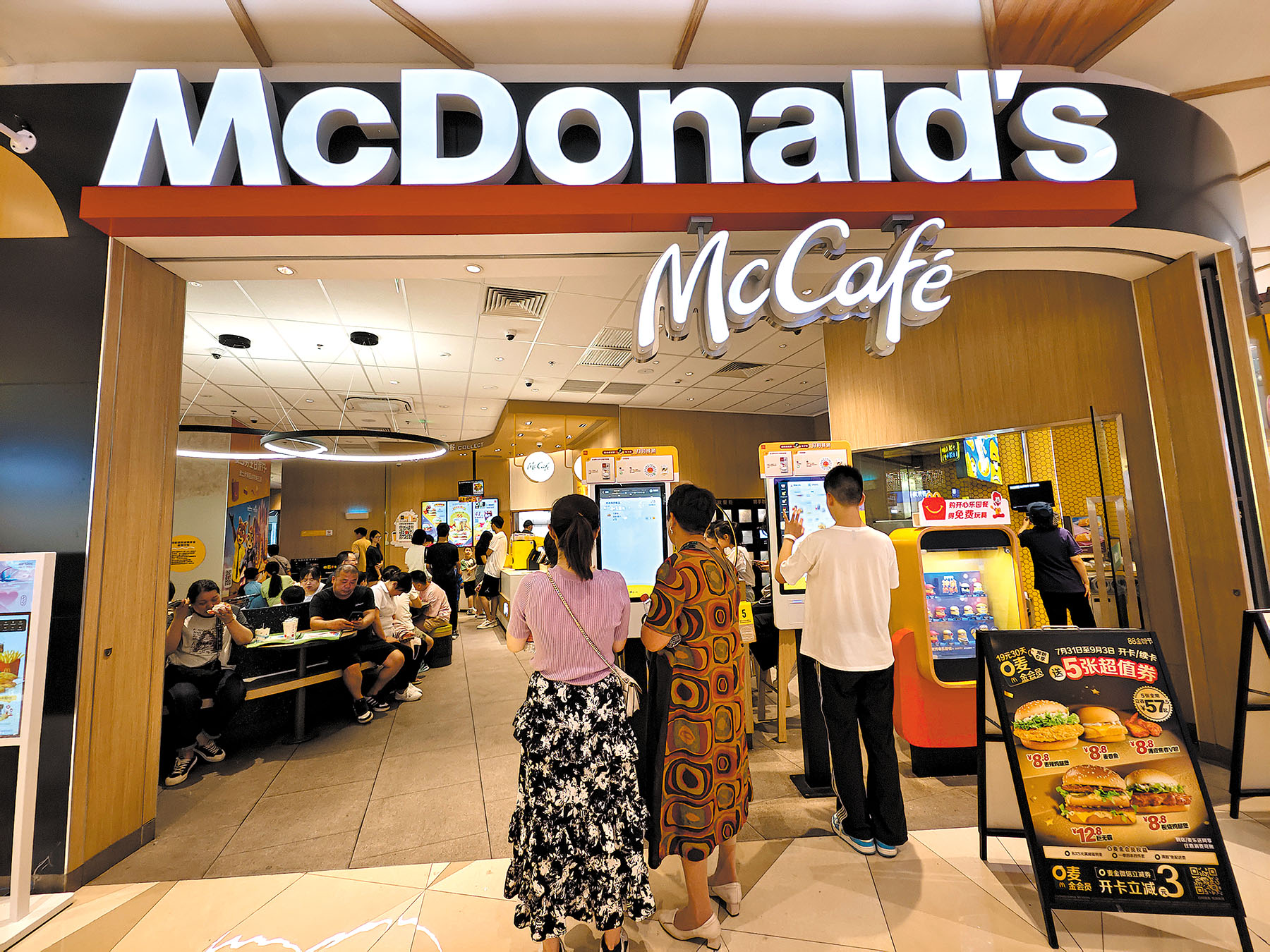
Western food and beverage giants are increasingly selling large stakes in their China operations to domestic private equity firms, signaling a strategic pivot in how multinational brands approach the world’s second-largest consumer market. Companies including Starbucks and Burger King are opting to partner with, or hand operational control to, local financial sponsors that can move faster and operate more effectively in a challenging environment.
The trend reflects both the complexities of running consumer businesses in China and the growing appeal of local partners with deep market knowledge and execution capabilities.
Why Chinese Private Equity Is Taking Over
Chinese private equity firms have earned a reputation for speed and decisiveness. Once a deal is closed, they typically move quickly to overhaul menus, recalibrate pricing strategies, and streamline store formats. Expansion often follows, with a particular focus on lower-tier cities where growth opportunities remain more attractive and competition is less intense.
Their willingness to replace management teams and reset operating models contrasts with the more cautious approach often taken by multinational headquarters. For global brands under pressure to deliver returns, this hands-on style can unlock value that might otherwise remain trapped.
Local Networks Create a Competitive Edge
Another major advantage lies in relationships. Domestic financial sponsors tend to have stronger ties with local suppliers, logistics partners, landlords, and regulators. These connections can reduce costs, speed up store openings, and smooth regulatory approvals.
In a market where execution often matters more than brand recognition, such networks are increasingly decisive. For Western companies facing slower growth, rising costs, and operational friction, divestment becomes an attractive option.
Capital Looking for a Home
China subsidiaries of multinational consumer brands have also become prime targets because of broader conditions in the investment landscape. After several years of subdued dealmaking, many Chinese private equity funds are sitting on significant amounts of undeployed capital.
Consumer-facing assets with established brand equity, nationwide footprints, and scalable business models offer a rare combination of stability and upside. Acquiring control of local operations allows financial sponsors to apply operational improvements while leveraging brand recognition that would take years to build from scratch.
Why Multinationals Are Willing Sellers
For Western food giants, selling a majority stake is often less about exiting China altogether and more about risk management and capital efficiency. Retaining a minority interest allows them to participate in future upside while shifting day-to-day execution to partners better equipped for local realities.
This approach also helps multinationals simplify their global portfolios, redeploy capital to faster-growing regions, and reduce exposure to regulatory and macroeconomic uncertainty in China.
A Playbook Built for China’s Next Phase
Once in control, Chinese private equity owners typically pursue aggressive localization. That can include introducing region-specific menu items, optimizing store sizes, renegotiating rents, and accelerating digital integration through delivery platforms and loyalty programs.
Lower-tier cities are often central to the strategy, as they offer lower operating costs and untapped demand. With a refined cost structure and localized offerings, brands can scale more efficiently than under a one-size-fits-all global model.
What This Means for the Industry
The growing wave of stake sales marks a broader rebalancing in China’s consumer sector. Foreign brands still carry strong recognition, but success increasingly depends on local execution rather than global playbooks.
As Chinese private equity firms continue to deploy capital and refine consumer assets, more multinational companies may follow the same path. The result is a new hybrid model, where global brands provide the name and heritage, while domestic investors drive growth, localization, and operational discipline on the ground.

Popular articles


Subscribe to unlock premium content
Nostalgia Sells: How Food & Beverage Giants Cash In on Memories

Apple’s Supply Chain Revolution

The Rise of Remote Work and the Quiet Transformation of Cities

Nostalgia Sells: How Food & Beverage Giants Cash In on Memories
Apple’s Supply Chain Revolution
Nostalgia Sells: How Food & Beverage Giants Cash In on Memories