Wearable Wellness Goes Mainstream as Barrière Bets Big on Vitamin Patches and Digestive Health

Wearable Wellness Goes Mainstream as Barrière Bets Big on Vitamin Patches and Digestive Health
By
Rachel Steinberg
Last updated:
May 7, 2026
First Published:
May 7, 2026

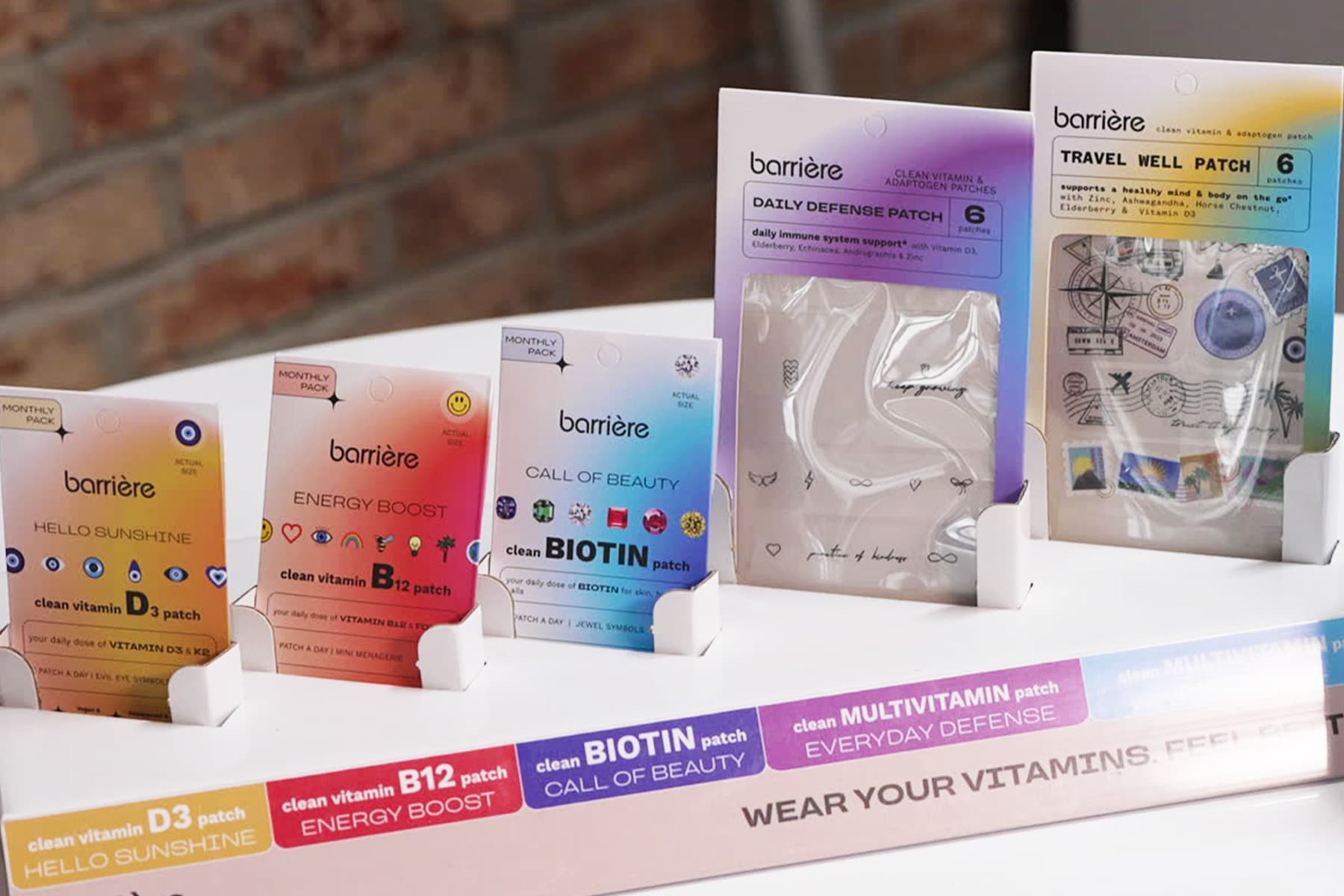
Photo: CNBC
The global wellness industry is rapidly shifting toward convenience-driven health products, and wearable supplement startup Barrière is positioning itself at the center of that transformation.
The company is expanding aggressively across the United States with a growing line of wearable wellness patches designed to replace traditional vitamins and supplements. Its latest move includes launching what it describes as the first-ever lactose intolerance patch in 1,700 Walmart stores nationwide, alongside a new motion sickness patch aimed at consumers looking for portable health solutions.
As consumers increasingly prioritize wellness, preventive care, and convenience, companies like Barrière are pushing the supplement industry into a new era where vitamins are worn instead of swallowed.
A Growing Market for Wearable Supplements
The supplement industry has experienced explosive growth over the past several years as health-conscious consumers spend more on immunity support, digestive health, sleep improvement, energy enhancement, and preventative wellness products.
The U.S. supplements market alone is now valued at roughly $60 billion, with more than 100,000 products competing across categories ranging from vitamins and probiotics to sports nutrition and beauty supplements.
Market researchers estimate the vitamins and supplements category could continue expanding at double-digit rates over the next several years as younger consumers increasingly adopt wellness-focused lifestyles.
Against that backdrop, wearable supplement patches have emerged as one of the industry’s fastest-growing niche categories.
Instead of swallowing capsules or tablets, users apply adhesive patches directly to their skin, where ingredients are delivered gradually throughout the day using transdermal absorption technology.
Several brands have entered the category in recent years, but Barrière is attempting to stand out by combining wellness products with fashion-inspired branding, convenience, and visually distinctive designs.
Barrière Targets Rapid Revenue Growth
According to the company, Barrière expects its revenue to double by 2026, reaching approximately $10 million, while its valuation currently stands near $19 million.
The company has expanded rapidly over the past year, growing from roughly 600 retail locations in mid-2025 to more than 6,000 stores by 2026.
Its products are now sold through major retailers including Target, Ulta Beauty, Urban Outfitters, and Walmart.
Barrière says wholesale monthly dollar volume surged more than 3,000% in 2025 as awareness around wearable wellness products accelerated.
The company’s monthly patch packs generally retail between $13 and $18, positioning the products as affordable lifestyle wellness accessories rather than strictly medical products.
The First Lactose Intolerance Patch Hits Walmart Shelves
One of Barrière’s biggest product launches so far is its lactose intolerance patch, which the company says is the first wearable patch designed specifically to help consumers manage lactose sensitivity and digestive discomfort.
The product is being introduced through Walmart’s expanding digestive health section, a category that has seen strong growth as consumers increasingly focus on gut health and food sensitivities.
CEO and co-founder Cleo Davis-Urman said the product aims to provide consumers with a more convenient alternative to traditional lactose intolerance tablets and digestive aids.
The patch is designed for use before consuming dairy products and is marketed as helping reduce bloating, digestive discomfort, and lactose-related symptoms.
Digestive health has become one of the fastest-growing segments within the wellness industry as consumers pay closer attention to gut microbiome health, food intolerances, and dietary sensitivities.
Industry analysts estimate millions of Americans experience some form of lactose intolerance, creating a potentially large addressable market for new consumer products targeting digestive wellness.
Motion Sickness and Everyday Wellness Become New Targets
Alongside the lactose intolerance product, Barrière is also launching a motion sickness patch aimed at travelers and consumers seeking drug-free wellness alternatives.
While motion sickness patches are not new to the market, Barrière is attempting to modernize the category through more lifestyle-oriented branding and wearable-friendly designs.
The company’s broader product lineup already includes patches focused on sleep support, energy boosts, immunity, and stress management.
The patches use ultra-small nutrient particles that are activated by body heat and gradually absorbed through the skin over approximately 12 hours, according to the company.
Supporters of wearable supplements argue that transdermal delivery may help improve consistency and convenience compared to traditional oral supplements, especially for consumers who struggle to maintain daily routines.
Fashion Meets Wellness
One of the company’s biggest differentiators is its design strategy.
Unlike traditional medical-style patches, Barrière’s products are intentionally designed to look stylish and wearable, often featuring patterns such as flowers, gemstones, or decorative graphics.
Davis-Urman, who has a background in fashion, said the goal was to create wellness products that consumers would actually want to wear publicly.
The company believes the visible nature of the patches helps generate word-of-mouth marketing because consumers naturally ask questions about them when they are seen in public.
That approach reflects a broader trend in the wellness industry where health products are increasingly blending with beauty, lifestyle, and fashion categories.
Consumers, especially younger demographics, are increasingly drawn toward wellness products that fit seamlessly into daily routines and personal identity rather than feeling clinical or medical.
A Largely Unregulated Industry
Despite the rapid growth of the supplement market, the industry remains lightly regulated in the United States compared to pharmaceutical products.
Barrière’s products are not approved by the U.S. Food and Drug Administration. Under the Dietary Supplement Health and Education Act of 1994, supplements are regulated more like food products than prescription drugs.
That means companies are largely responsible for their own marketing claims and safety standards unless regulators intervene after problems emerge.
To address concerns around manufacturing quality, Davis-Urman said Barrière chose to produce its products in the United Kingdom, where regulations governing supplements and wellness products are often considered stricter.
Transparency and consumer education have become increasingly important as wellness companies face growing scrutiny over ingredient quality, efficacy claims, and scientific validation.
Younger Consumers Are Driving Wellness Trends
The rise of wearable wellness products is closely tied to changing consumer behavior, particularly among younger generations.
Generation Z and millennials have become major drivers of growth in health, wellness, preventative care, and self-optimization products.
Social media platforms have also played a major role in accelerating awareness around supplements, health routines, gut health, and biohacking culture.
Experts say convenience remains one of the biggest selling points behind wearable supplement products.
Consumers are increasingly attracted to products that simplify wellness routines and reduce the friction associated with taking multiple pills or supplements daily.
However, some health experts continue urging caution, noting that scientific research around transdermal vitamin absorption remains more limited compared to traditional oral supplements.
Retail Expansion Signals Growing Mainstream Acceptance
Barrière’s aggressive retail rollout suggests wearable supplements may be moving from niche wellness products into mainstream consumer health categories.
Its partnership with Walmart is especially significant because it places the company directly in front of mass-market consumers rather than limiting exposure to boutique wellness stores or online shoppers.
The company strategically tailors products to specific retail audiences. For example, products sold through Target are positioned more heavily around beauty and skincare-oriented wellness, while Walmart locations emphasize digestive health and practical everyday use cases.
That targeted retail strategy could help Barrière scale more efficiently while maintaining distinct brand positioning across multiple customer demographics.
The Future of the Supplement Industry Is Changing
The broader wellness industry is undergoing a major transformation as consumers increasingly seek products that combine convenience, personalization, aesthetics, and preventative health benefits.
Companies are moving beyond traditional vitamins and powders toward wearable technologies, personalized nutrition, AI-driven health recommendations, and functional wellness products.
Barrière is betting that wearable patches could eventually become a major category within both the supplement aisle and everyday medicine cabinet.
As wellness spending continues rising globally and consumers demand easier ways to maintain health routines, companies that successfully blend science, convenience, and lifestyle branding could become some of the biggest winners in the next phase of the consumer health industry.
.webp)
Popular articles



Subscribe to unlock premium content
How Seoul Became the World’s Fashion and Plastic Surgery Capital

How Perfume Brands Sell Memories Instead of Fragrance

The Japanese Concept of Ikigai and How It’s Inspiring Modern Entrepreneurs

How Seoul Became the World’s Fashion and Plastic Surgery Capital
How Perfume Brands Sell Memories Instead of Fragrance
How Seoul Became the World’s Fashion and Plastic Surgery Capital