Wayve Surges to $8.6 Billion Valuation With Backing From Big Tech and Auto Giants

Wayve Surges to $8.6 Billion Valuation With Backing From Big Tech and Auto Giants
By
Junia Wells
Last updated:
February 25, 2026
First Published:
February 25, 2026

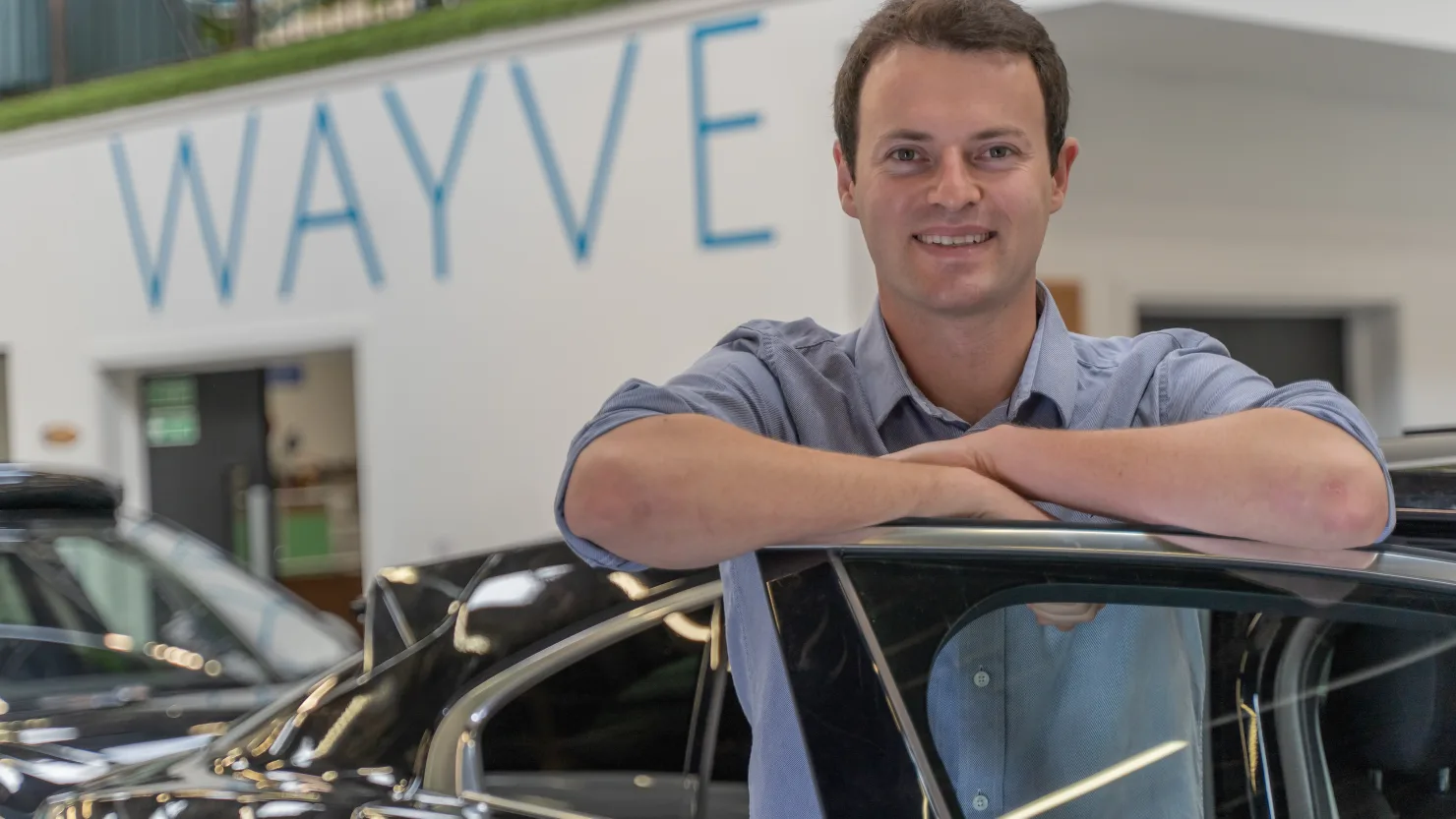
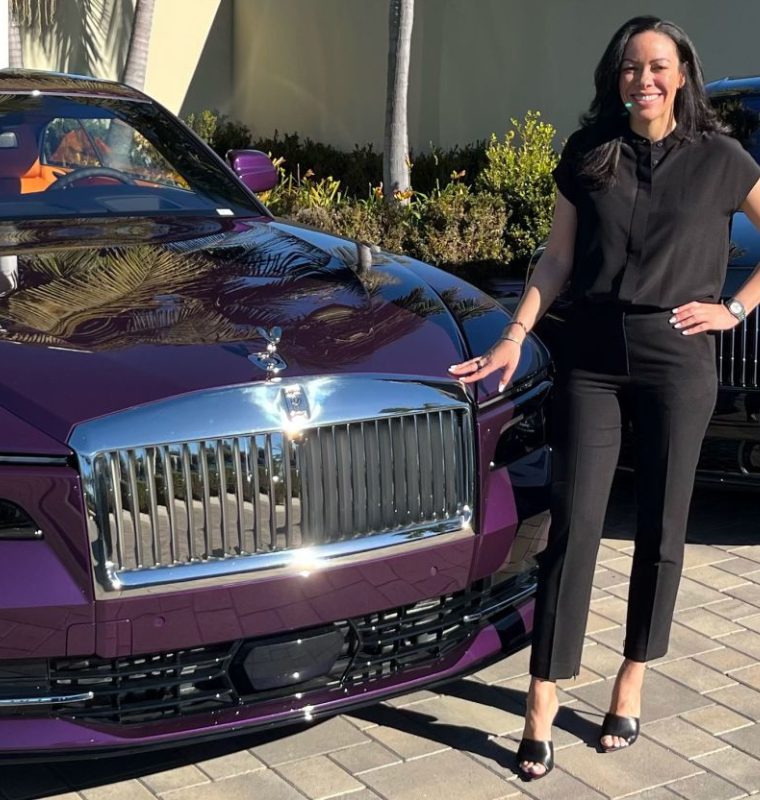
Alex Kendall, 29, is the co-founder and CEO of autonomous driving startup Wayve.
Source: Wayve
Major Funding Round Signals Confidence in Autonomous Driving
U.K.-based self-driving technology company Wayve has reached an $8.6 billion valuation after closing a $1.2 billion Series D funding round, one of the largest capital raises in the global autonomous mobility sector in recent years.
The round was led by Eclipse, Balderton, and SoftBank Vision Fund 2, with strategic participation from technology and mobility leaders including Nvidia, Microsoft, and Uber. Automakers Mercedes-Benz, Nissan, and Stellantis also joined the financing, highlighting broad industry alignment behind Wayve’s approach.
Uber has additionally committed up to $300 million in follow-on capital tied to deployment milestones, potentially pushing total strategic investment well beyond the headline figure.
Building the AI Brain for Every Vehicle
Founded in 2017, Wayve focuses on developing end-to-end AI models that enable vehicles to learn driving behavior from real-world data rather than relying solely on pre-mapped environments. The company’s technology stack blends deep learning, simulation, and fleet-scale data collection to create adaptable autonomy software.
CEO Alex Kendall has positioned the company as building a universal autonomy layer that could power everything from passenger cars and delivery vans to logistics fleets. Analysts estimate the total addressable market for autonomy software could exceed trillions of dollars globally as automation spreads across transportation and mobility services.
Prior to this round, Wayve had already raised more than $1 billion, placing it among Europe’s best-funded AI startups and one of the most valuable privately held mobility technology firms in the region.
Commercial Partnerships Move From Testing to Deployment
Wayve’s recent funding arrives as the company transitions from research to commercialization. A partnership signed with Nissan will integrate Wayve’s AI into advanced driver-assistance systems, with the first vehicles expected to feature the technology starting in 2027.
In parallel, the company is preparing for robotaxi trials with Uber, targeting initial public pilot programs in London in 2026 followed by expansion into more than ten global cities. Industry observers view these pilots as a critical step toward proving the scalability and safety of Wayve’s software in complex urban environments.
A Sector Reenergized by AI Breakthroughs
The autonomous driving industry has experienced cycles of optimism and setbacks over the past decade, with regulatory complexity, safety validation, and high capital requirements slowing widespread adoption. Fully autonomous Level 5 vehicles — capable of operating without any human oversight — remain a long-term goal rather than a near-term reality.
However, advances in machine learning and computing power have reignited investor interest. Companies across the ecosystem are accelerating deployments, including robotaxi expansions and new driver-assistance features.
For example, Waymo continues to broaden its commercial ride-hailing footprint in multiple U.S. cities, while Elon Musk has repeatedly highlighted autonomy as central to Tesla’s long-term valuation thesis. Meanwhile, Zoox, owned by Amazon, has begun limited public rides as it advances its purpose-built robotaxi platform.
What This Means for the Future of Mobility
Wayve’s latest funding round underscores a broader shift in the autonomous driving narrative: from experimental research toward practical deployment and ecosystem partnerships. The involvement of both major cloud providers and global automakers suggests that the future autonomy stack will be deeply integrated across hardware, software, and mobility services.
As competition intensifies, success will hinge on proving real-world safety, reducing operating costs, and scaling across diverse driving conditions. With fresh capital, strategic partners, and upcoming pilots, Wayve is positioning itself as a central player in the next phase of the race to commercialize autonomous transportation.

Popular articles


Subscribe to unlock premium content
Minimalism in Motion

Custom Glow in South Korea

Revving Up Revenue with Young Luxury Buyers
Minimalism in Motion
Custom Glow in South Korea
Minimalism in Motion