Waymo Reinforces Driverless Operations After San Francisco Power Outage

Waymo Reinforces Driverless Operations After San Francisco Power Outage
By
Calder Monroe
Last updated:
December 24, 2025
First Published:
December 24, 2025

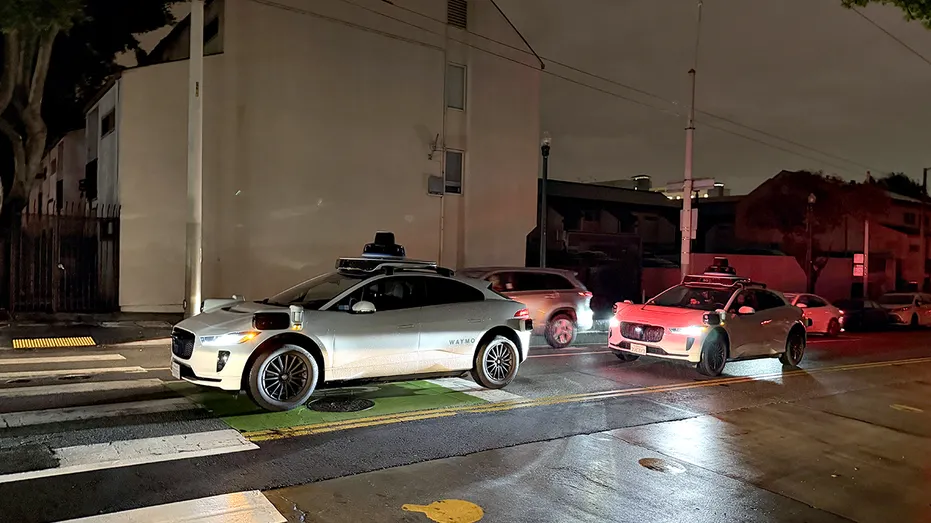
Photo: Fox Business
Waymo is strengthening its driverless vehicle operations following a widespread power outage in San Francisco that temporarily forced the company to pause service. The Alphabet-owned autonomous driving firm confirmed it is rolling out a series of immediate fleet updates designed to improve how its vehicles respond when critical city infrastructure such as traffic signals and power systems fail.
The incident highlighted the growing need for autonomous systems to operate safely and predictably during real-world disruptions, particularly in dense urban environments.
What Happened in San Francisco
The outage began early Saturday afternoon and intensified roughly two hours later, impacting approximately 130,000 Pacific Gas and Electric customers across San Francisco. By Sunday morning, more than 21,000 homes and businesses were still without electricity. PG&E later confirmed that a fire at a major substation caused extensive damage, triggering the blackout.
As traffic lights and intersection controls went offline, large portions of the city experienced gridlock. Videos circulating on social media showed several Waymo vehicles stationary in traffic-heavy areas, underscoring the challenges autonomous systems face when standard road signals are unavailable.
In response, Waymo temporarily halted service and instructed vehicles to pull over and park safely. The company emphasized that this decision was made to prevent additional congestion and to ensure emergency responders could move freely during peak recovery efforts.
City Response and Coordination
San Francisco officials moved quickly to manage the disruption. Mayor Daniel Lurie confirmed that police officers, fire crews, parking control officers, and city ambassadors were deployed throughout affected neighborhoods to direct traffic and support public safety.
Waymo stated it is now working more closely with city leadership to improve coordination during similar events in the future, aligning autonomous fleet decisions with municipal emergency response strategies.
Waymo’s Immediate Changes to Its Fleet
Following an internal review of the outage, Waymo outlined three key actions it is implementing across its driverless fleet.
First, the company is deploying fleet-wide software updates that provide vehicles with deeper awareness of regional infrastructure outages. This added context allows autonomous systems to make clearer decisions at intersections when traffic signals are offline.
Second, Waymo is enhancing its emergency response protocols. This includes improved internal decision-making processes for when and how vehicles should safely exit service, reroute, or return to depots during citywide disruptions.
Third, the company is updating its first responder training programs. These changes are based on lessons learned from this incident and other large-scale events, ensuring emergency personnel better understand how to interact with autonomous vehicles during crises.
Waymo’s Scale and Growth
The San Francisco pause comes at a time of rapid expansion for Waymo. The company currently offers paid autonomous rides in San Francisco, Austin, Phoenix, Atlanta, and Los Angeles. In recent months, Waymo surpassed an estimated 450,000 paid rides per week.
In December, the company disclosed it had already completed 14 million trips in 2025 alone. Based on current growth, Waymo expects to exceed 20 million total trips since its public launch in 2020 by year-end. Its autonomous systems are backed by more than 100 million miles of fully driverless driving data, positioning Waymo as a leader in the commercial self-driving sector.
Looking Ahead
Waymo reiterated that its long-term strategy is built around preparing autonomous vehicles for real-world conditions, including rare but high-impact infrastructure failures. The company said events like the San Francisco blackout, while disruptive, provide valuable data to strengthen safety systems and operational resilience.
As autonomous vehicles become more deeply integrated into urban transportation networks, the ability to function reliably during emergencies will be critical. Waymo’s latest updates signal a broader industry shift toward building autonomy that is not only efficient in ideal conditions but resilient when cities face unexpected breakdowns.
.webp)
Popular articles



Subscribe to unlock premium content
Iceland’s Geothermal Revolution
Bali’s Digital Detox Revolution

Step Into the Future of Art

Iceland’s Geothermal Revolution
Bali’s Digital Detox Revolution
Iceland’s Geothermal Revolution