Waymo Halts San Francisco Robotaxis as Holiday Storms Trigger Flood Warnings

Waymo Halts San Francisco Robotaxis as Holiday Storms Trigger Flood Warnings
By
Junia Wells
Last updated:
December 26, 2025
First Published:
December 26, 2025

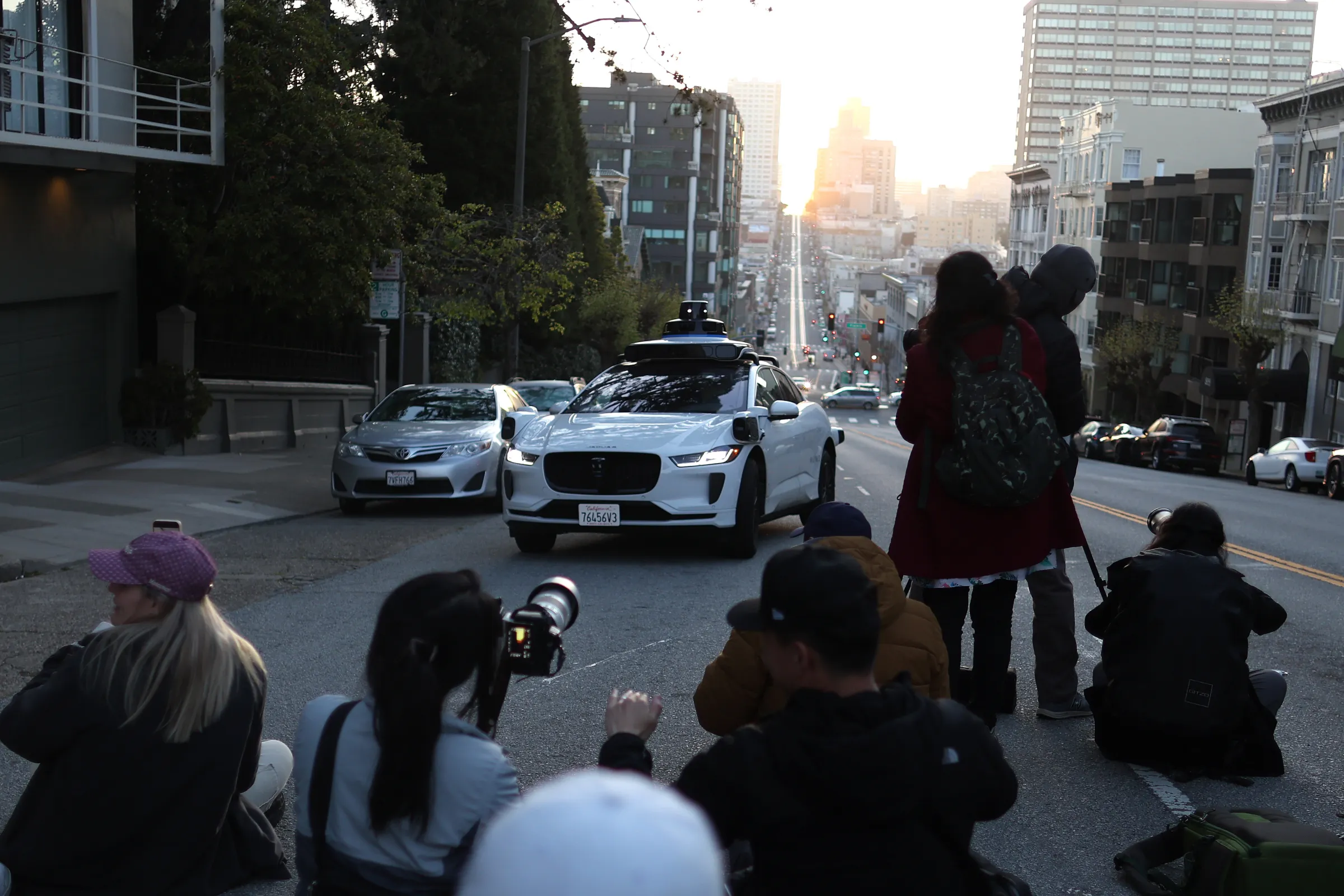
Photo: The Verge
Robotaxi Service Suspended Ahead of Severe Weather
Waymo temporarily shut down its driverless ride hailing service in the San Francisco Bay Area on Christmas Day after the National Weather Service issued flash flood warnings across the region. Customers attempting to book rides through the Waymo app were met with a notice stating that service had been paused due to hazardous weather conditions.
The Bay Area was under an extended flood watch through late Friday evening, with meteorologists warning of heavy rainfall, urban flooding, and potentially dangerous road conditions. The pause marks another weather related disruption for the Alphabet owned company, which has increasingly faced scrutiny over how its autonomous vehicles perform during emergencies.
A Pause That Follows Recent Power Outage Issues
The latest suspension comes just days after Waymo acknowledged the need to upgrade its fleet to better handle power outages. On December 20, a widespread blackout in San Francisco left tens of thousands of residents without electricity and caused multiple Waymo vehicles to stop in active traffic lanes when traffic signals failed.
Those stalled vehicles contributed to congestion in several neighborhoods and raised questions about how autonomous systems respond when core infrastructure suddenly goes offline. Waymo said earlier this week that it plans to update vehicle behavior and operational protocols to reduce the risk of similar incidents in the future.
Regulatory Oversight Remains Unclear
Waymo did not immediately clarify whether the Christmas Day shutdown was voluntary or prompted by regulatory guidance. The California Public Utilities Commission, which oversees commercial driverless ride services in the state, also did not respond to inquiries during the holiday period.
The lack of immediate regulatory communication underscores a broader issue facing autonomous vehicle deployment: how much authority regulators should exercise during fast moving emergencies, and whether standardized protocols should dictate when robotaxi services must scale back or fully shut down.
Expansion Continues Despite Operational Setbacks
Despite the disruptions, Waymo continues to expand its footprint. The company now operates fully driverless commercial services in five U.S. markets, including San Francisco, Austin, Phoenix, Los Angeles, and Atlanta. This is an increase from three markets at the end of last year.
Waymo has signaled plans for a significant expansion across additional U.S. cities and potentially international markets in 2026, betting that continued improvements in software, hardware, and operational controls will outweigh near term challenges.
Growing Safety and Public Confidence Questions
As Waymo scales, public and regulatory attention has intensified. Former San Francisco Municipal Transportation Agency CEO Jeffrey Tumlin said recent disruptions should serve as a learning moment for both regulators and autonomous vehicle companies.
He argued that cities need clearer limits on how many autonomous vehicles are allowed on the streets depending on time of day, location, and weather conditions. Tumlin also suggested a staged deployment framework, where robotaxi fleets are allowed to expand only after meeting specific performance and safety benchmarks.
Emergency Readiness Under the Spotlight
One of the most critical tests for autonomous fleets, according to Tumlin, is how quickly vehicles can clear roadways when conditions become confusing or unsafe. Scenarios such as flooded streets, power outages, or intersections without functioning traffic lights remain difficult edge cases for self driving systems.
He added that regulators should require more detailed data from robotaxi operators on how their vehicles are expected to behave during emergencies such as floods, blackouts, or earthquakes, and how quickly human intervention can be deployed if systems encounter problems.
A Key Moment for the Autonomous Vehicle Industry
Waymo’s repeated pauses highlight a central tension in the autonomous vehicle industry: rapid expansion versus operational resilience. While driverless technology continues to advance, real world conditions like extreme weather and infrastructure failures are proving to be critical stress tests.
How Waymo and its peers address these challenges will likely shape public trust, regulatory policy, and the pace of autonomous vehicle adoption in major cities over the next several years.
.webp)
Popular articles



Subscribe to unlock premium content
Iceland’s Geothermal Revolution
Bali’s Digital Detox Revolution

Step Into the Future of Art

Iceland’s Geothermal Revolution
Bali’s Digital Detox Revolution
Iceland’s Geothermal Revolution