Walmart Leadership Shakeup Continues as Senior Executives Exit Under CEO John Furner

Walmart Leadership Shakeup Continues as Senior Executives Exit Under CEO John Furner
By
David Goldfarb
Last updated:
May 23, 2026
First Published:
May 23, 2026

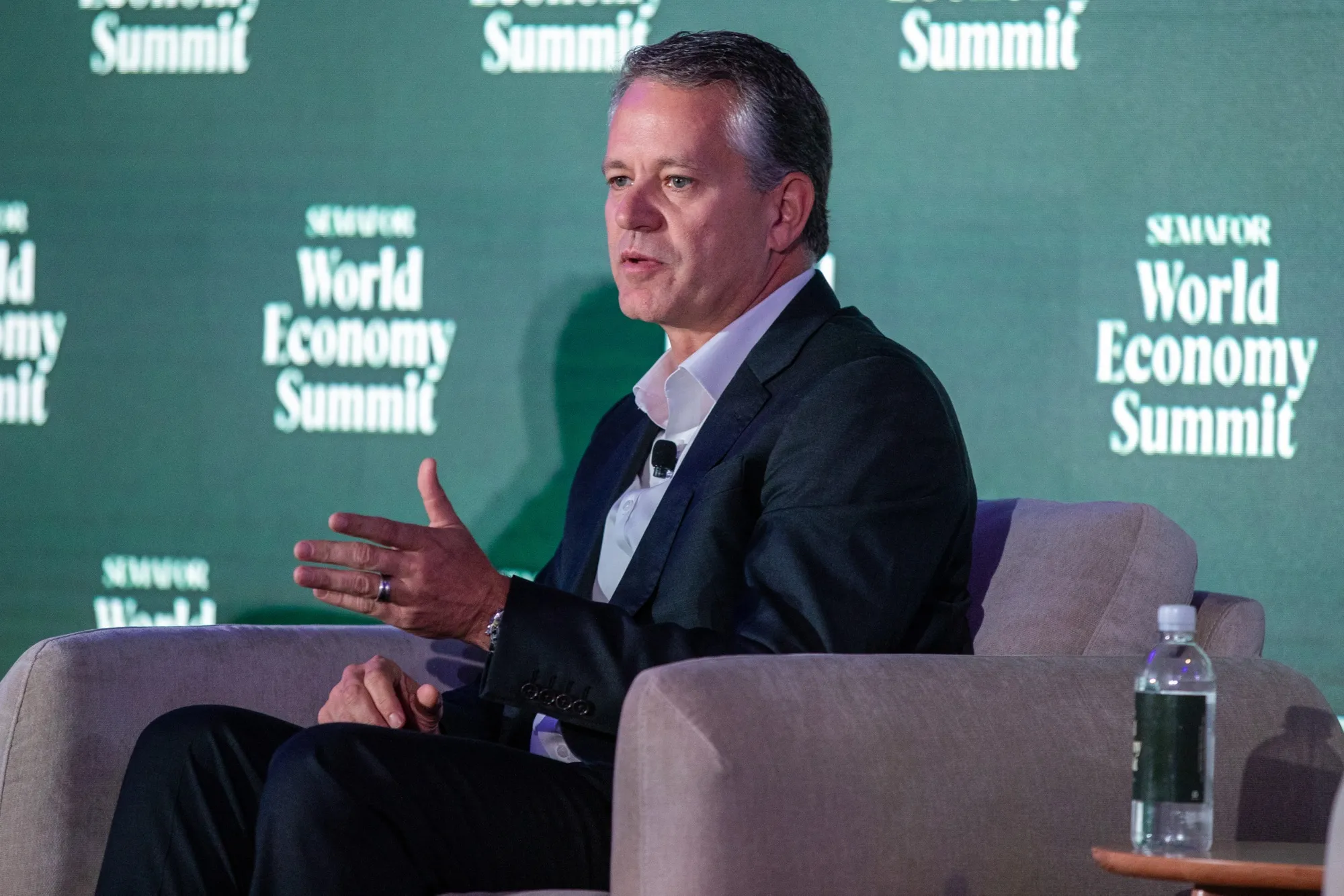
Photo: Bloomberg.com
Walmart is entering another significant phase of leadership transition as two senior executives prepare to leave the company, marking one of the biggest management changes since John Furner stepped into the chief executive role earlier this year.
The departures come during a period of transformation at the world's largest retailer, which continues to expand its digital business, strengthen operational efficiency, and attract a broader consumer base despite economic challenges affecting spending behavior.
Internal company communications indicate that the leadership changes are taking place less than four months after Furner assumed control of the retail giant, a timing that has increased attention on Walmart's broader strategic direction.
Two Key Leaders Depart Walmart
Tom Ward, Chief Operating Officer of Sam's Club, will retire from the company after a lengthy leadership career, while Cedric Clark, Executive Vice President of U.S. Store Operations, is also leaving the organization.
Both executives played major roles in Walmart's operational and growth efforts across some of its most important business segments.
Ward was deeply involved in driving innovation and operational improvements within Sam's Club, Walmart's membership warehouse business. Clark meanwhile oversaw U.S. store operations, one of the largest retail infrastructures in the world.
Walmart currently operates more than 10,000 stores and numerous distribution facilities globally, while serving hundreds of millions of customers each week across physical and digital platforms.
According to internal discussions, a replacement for Clark is expected to be announced within the coming weeks. The timeline for filling Ward's position remains uncertain.
John Furner Continues Building a New Leadership Team
The executive changes arrive during an important transition period under CEO John Furner.
Furner took over leadership responsibilities in February and inherited one of the largest and most influential retail operations globally. Walmart employs roughly 2.1 million people worldwide and generates annual revenue exceeding hundreds of billions of dollars.
Since taking charge, Furner has already introduced major leadership adjustments designed to align the company with future growth opportunities.
Several senior executives were promoted earlier this year to help reshape Walmart's long term strategy:
• Seth Dallaire was elevated to Chief Growth Officer, leading marketplace and advertising operations
• David Guggina was promoted to CEO of Walmart U.S.
• Chris Nicholas became CEO of Walmart International
• Latriece Watkins assumed leadership of Sam's Club
The appointments reflected a broader effort to strengthen leadership across high growth business units and prepare Walmart for increasingly competitive retail conditions.
Walmart Navigates Growth During Economic Pressures
Furner takes control at a time when Walmart continues showing resilience despite changing consumer behavior and economic uncertainty.
The retailer recently released first quarter fiscal results that delivered mixed performance indicators, though management emphasized that overall business fundamentals remain healthy.
Walmart has benefited from several trends supporting its recent growth:
• Increased demand from higher income shoppers
• Rapid expansion in e-commerce activity
• Strong grocery traffic
• Growth in digital advertising revenue
• Marketplace expansion with third party sellers
• Membership growth through Walmart+ and Sam's Club
One of the most notable developments has been Walmart's ability to attract customers from higher income brackets, a segment traditionally less associated with discount retail chains.
Economic pressures, inflation concerns, and elevated fuel costs have pushed many consumers toward value-focused shopping behavior, benefiting Walmart's broad product offerings and pricing strategy.
Sam's Club and Digital Expansion Become Larger Priorities
The timing of Ward's retirement is especially significant because Sam's Club has become one of Walmart's most important growth engines.
The warehouse chain has experienced increasing membership activity and stronger customer engagement in recent years. Investments in technology, digital shopping tools, and fulfillment capabilities have helped strengthen performance.
Meanwhile, Walmart's e-commerce operations continue growing rapidly and have evolved into a larger contributor to overall company performance.
The company has invested heavily in:
• Automated fulfillment systems
• Delivery infrastructure
• Marketplace services
• Digital advertising networks
• Artificial intelligence applications
• Supply chain improvements
Retail competition has become increasingly technology driven, and Walmart's management changes appear connected to broader efforts to keep pace with evolving consumer expectations.
The Bigger Picture
Leadership changes at large corporations often reflect broader strategic shifts rather than isolated personnel moves.
For Walmart, the departures of Tom Ward and Cedric Clark arrive during a period when the company is balancing retail transformation, technology investments, operational efficiency, and long term expansion goals.
With John Furner still in the early stages of his leadership journey, investors and industry observers will likely watch closely to see how the company reshapes its executive structure and positions itself for future growth.
As retail increasingly moves toward a blend of physical stores, digital commerce, and technology powered experiences, Walmart's leadership decisions may play a major role in determining how the company evolves over the coming years.
.webp)
Popular articles



Subscribe to unlock premium content
Celebrity-Endorsed High-Altitude Vineyards Transform Luxury Wine Market

Liquid Luxury on Ice
Hollywood’s Forgotten Treasures Become the Ultimate Status Symbol

Celebrity-Endorsed High-Altitude Vineyards Transform Luxury Wine Market
Liquid Luxury on Ice
Celebrity-Endorsed High-Altitude Vineyards Transform Luxury Wine Market