Wall Street Posts Biggest Rally in Months, But Weekly Losses Persist
By
Last updated:
March 22, 2025
First Published:
March 22, 2025

Stock Market Sees Sharp Rebound, But Uncertainty Looms
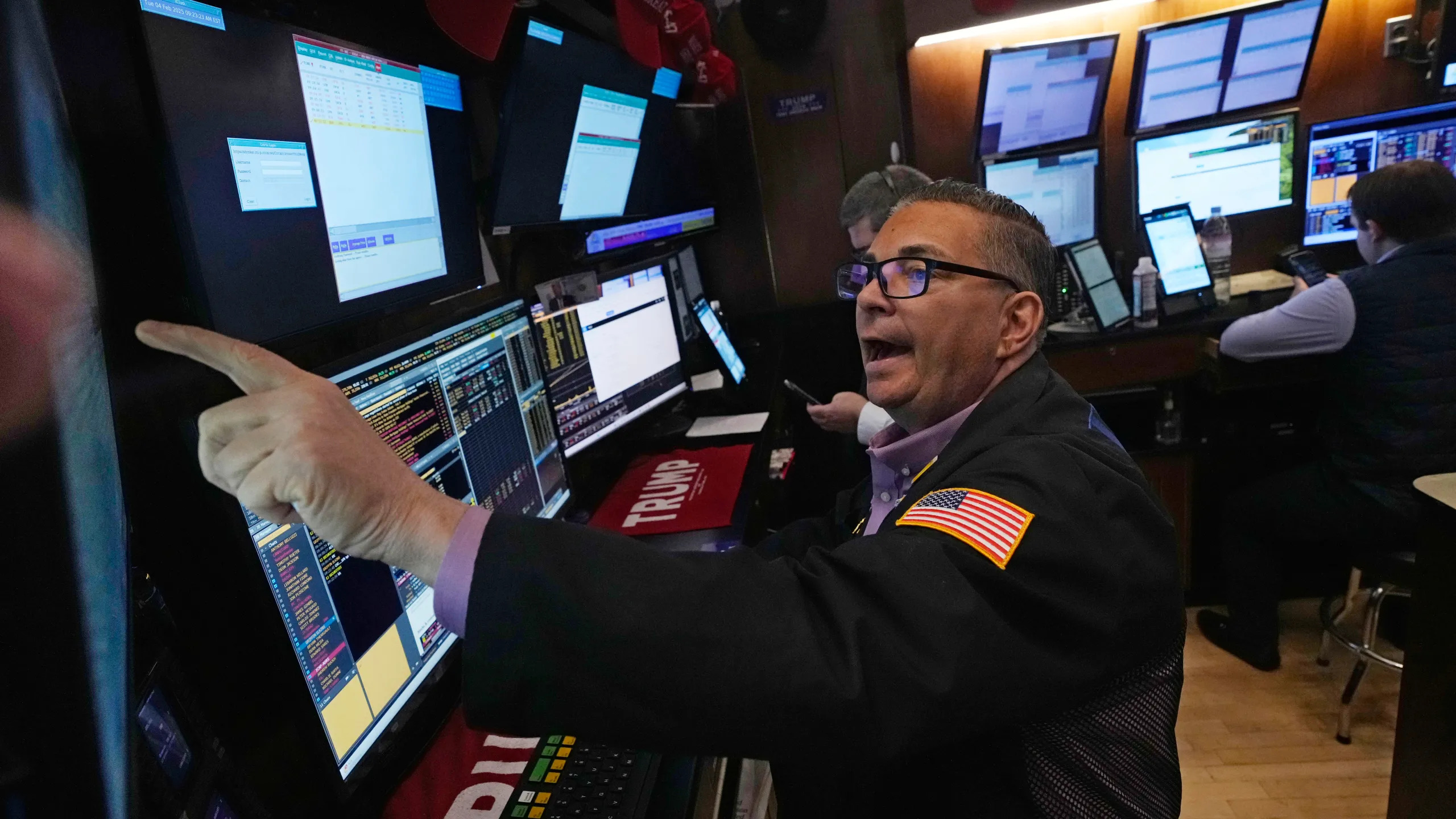
Wall Street roared back to life on Friday, delivering its best rally in months as investors seized on signs of easing uncertainty. However, the surge wasn’t enough to prevent U.S. markets from recording their fourth consecutive losing week—the longest streak since August.
The S&P 500 soared 2.1%, bouncing back from a correction phase that had dragged it more than 10% below its record high. The last time the index experienced a jump of this magnitude was in 2016, immediately after Donald Trump’s election, when investors reacted optimistically to his economic policies.
Meanwhile, the Dow Jones Industrial Average surged 674 points, or 1.7%, closing at 41,488.19, while the tech-heavy Nasdaq Composite surged 2.6%, gaining 451 points to reach 17,754.09.
What’s Fueling the Market’s Bounce Back?
The sharp turnaround follows weeks of heightened volatility, driven by economic uncertainties, geopolitical tensions, and fears of an economic slowdown. Several key factors contributed to Friday’s rally:
1. Relief Over Government Shutdown Concerns
One major cloud over Wall Street—the possibility of a partial U.S. government shutdown—seems to be clearing. The Senate moved closer to a resolution, calming investor fears that prolonged uncertainty could rattle financial markets. Historically, government shutdowns have had minimal long-term impact on the stock market, but traders welcomed the reprieve nonetheless.
2. The Federal Reserve’s Next Move
Investors remain hyper-focused on the Federal Reserve’s stance on interest rates. Recent comments from Fed officials suggest that while the central bank remains cautious about inflation, it is also monitoring signs of economic cooling. The latest U.S. consumer sentiment index, released by the University of Michigan, dipped for the third straight month, reflecting heightened anxiety about the future economy.
3. Tech and AI Stocks Lead the Recovery
Big Tech and artificial intelligence (AI) stocks, which have faced heavy selling pressure in recent weeks, rebounded sharply. Nvidia (NVDA) jumped 5.3%, trimming its year-to-date losses to under 10%. Apple (AAPL) climbed 1.8%, recovering from what was on track to be its worst weekly performance since the 2020 market crash.
AI-related companies saw renewed investor interest, as analysts project continued growth in the sector despite recent sell-offs.
4. Positive Earnings From Retail Giants
The corporate earnings season is in full swing, and Ulta Beauty (ULTA) surged 13.7% after reporting stronger-than-expected quarterly profits. The company acknowledged ongoing consumer uncertainty but reassured investors with a better-than-feared revenue forecast.
Bond Market and Global Markets Also React
Treasury Yields Rebound
The bond market saw notable movement as well. The 10-year Treasury yield climbed to 4.31%, recovering from a recent low of 4.16% earlier in the week. Bond yields have fluctuated significantly since January, reflecting shifting investor expectations on economic growth and inflation.
Global Markets Rally
Stock indexes across Europe and Asia also moved higher. In China, the Shanghai Composite rose 1.8%, while Hong Kong’s Hang Seng Index surged 2.1% following new directives from the country’s financial regulators aimed at boosting consumer lending and economic growth.
Will the Market Recovery Last?
Despite Friday’s powerful rally, market analysts remain cautious. Yung-Yu Ma, Chief Investment Officer at BMO Wealth Management, noted that investor sentiment swings are rarely one-directional for long. The market has been in a rapid reset phase, adjusting to factors like tariffs, interest rates, and shifting economic policies.
While some of the immediate panic may have subsided, concerns about inflation, corporate earnings, and potential Federal Reserve rate hikes continue to linger. The next few weeks will be crucial in determining whether this rally has staying power or if further corrections are on the horizon.
For now, Wall Street’s big rebound provides a temporary sigh of relief—but investors know the ride is far from over.

Popular articles


Subscribe to unlock premium content
The Rise of Ultra-Luxury Wilderness Retreats in Siberia for High-Net-Worth Investors

Remote Himalayan Villages Transforming Ancient Traditions into Lucrative Wellness Ventures

The New Frontier of Investment in African Artisan Mining Communities

The Rise of Ultra-Luxury Wilderness Retreats in Siberia for High-Net-Worth Investors
Remote Himalayan Villages Transforming Ancient Traditions into Lucrative Wellness Ventures
The Rise of Ultra-Luxury Wilderness Retreats in Siberia for High-Net-Worth Investors