USPS Proposes 8% Fuel Surcharge for Packages Amid Rising Oil Prices

USPS Proposes 8% Fuel Surcharge for Packages Amid Rising Oil Prices
By
Augusta Parker
Last updated:
March 27, 2026
First Published:
March 27, 2026

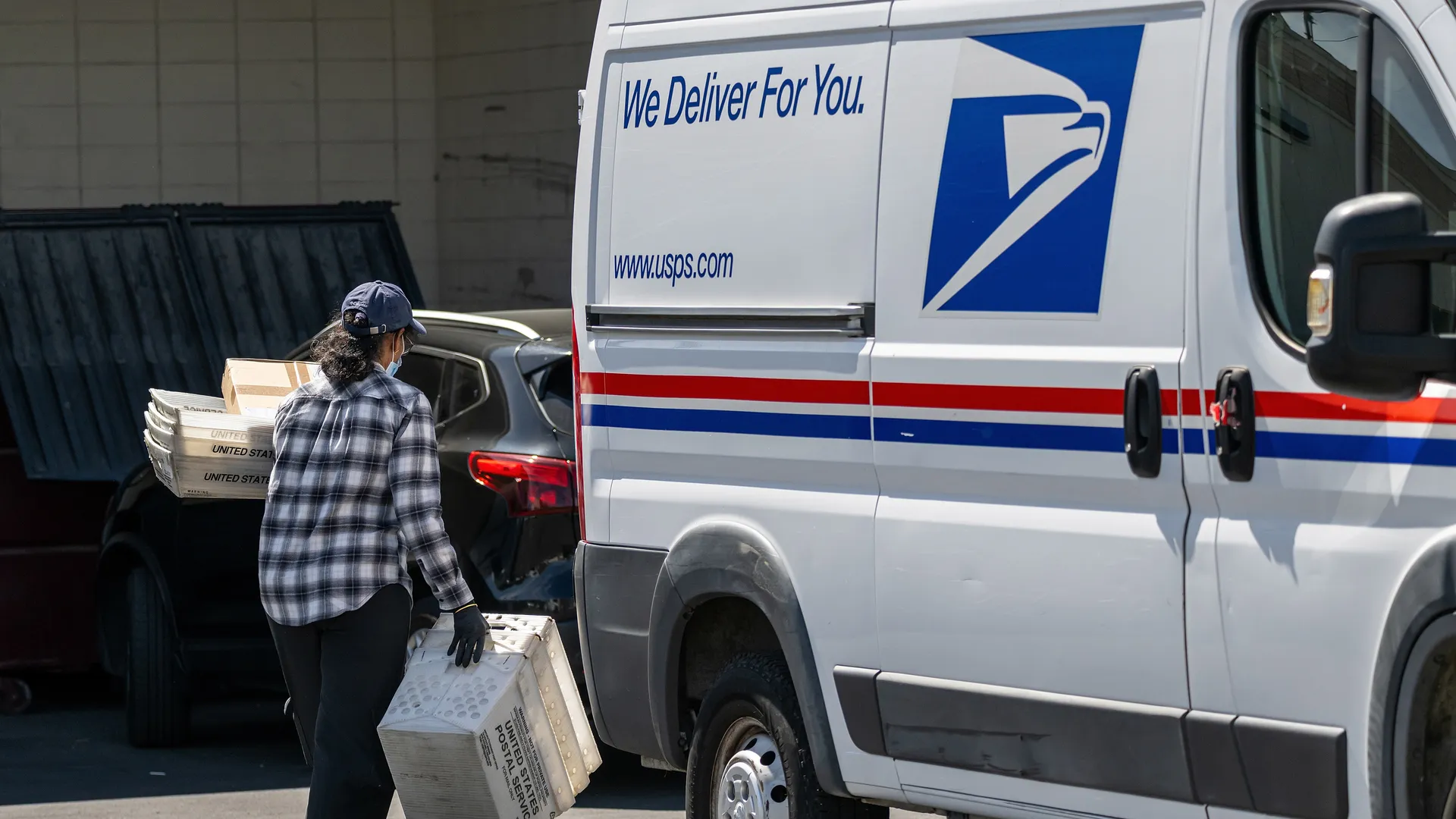
Photo: Axios
The U.S. Postal Service is moving to implement a temporary 8% fuel surcharge on package and express deliveries to offset rising transportation costs, which have surged following escalating oil prices linked to the conflict in Iran. If approved by the Postal Regulatory Commission, the new fee would take effect April 26 and remain in place until January 17, 2027.
The proposed surcharge would apply to Priority Mail Express, Priority Mail, USPS Ground Advantage, and Parcel Select services. First-class letters, standard stamps, and other mail categories would remain unaffected, preserving affordable rates for everyday mail.
Oil prices have spiked more than 40% since February 28, the day the United States and Israel launched strikes against Iran. The increase has prompted major shippers such as FedEx and UPS to raise fuel surcharges, a practice the Postal Service has historically avoided. Even with the new 8% adjustment, USPS notes the fee is less than one-third of what its private competitors charge for fuel alone, maintaining its reputation for cost-effective shipping.
“This temporary price adjustment will provide needed flexibility for the Postal Service by helping to ensure that the actual costs of doing business are covered, as required by Congress,” the Postal Service said in its announcement. Rising transportation costs, from fuel to logistics, have forced carriers across the industry to adjust rates, reflecting the volatility in global energy markets.
Analysts point out that USPS’s decision illustrates the broader impact of geopolitical events on domestic services. The Iran conflict has not only contributed to higher oil prices but also disrupted global supply chains, affecting shipping schedules and operational costs. By implementing the surcharge, the Postal Service aims to safeguard its operations while continuing to offer some of the lowest shipping rates in the industrialized world.
Approval by the Postal Regulatory Commission is pending, and the surcharge would remain in effect for more than two and a half years, providing a buffer for USPS as it navigates fluctuating energy costs and competition in the parcel delivery market. The move underscores how international conflicts can directly influence domestic service pricing and highlights the ongoing challenges faced by logistics providers in volatile markets.
.webp)
Popular articles



Subscribe to unlock premium content
Soaring Above Luxury

A Taste of Italy Redefined

Designing the World, One Market at a Time

Soaring Above Luxury
A Taste of Italy Redefined
Soaring Above Luxury