USPS Operational Changes Could Push Postmark Dates Later Than Expected

USPS Operational Changes Could Push Postmark Dates Later Than Expected
By
Rachel Steinberg
Last updated:
January 1, 2026
First Published:
April 25, 2026

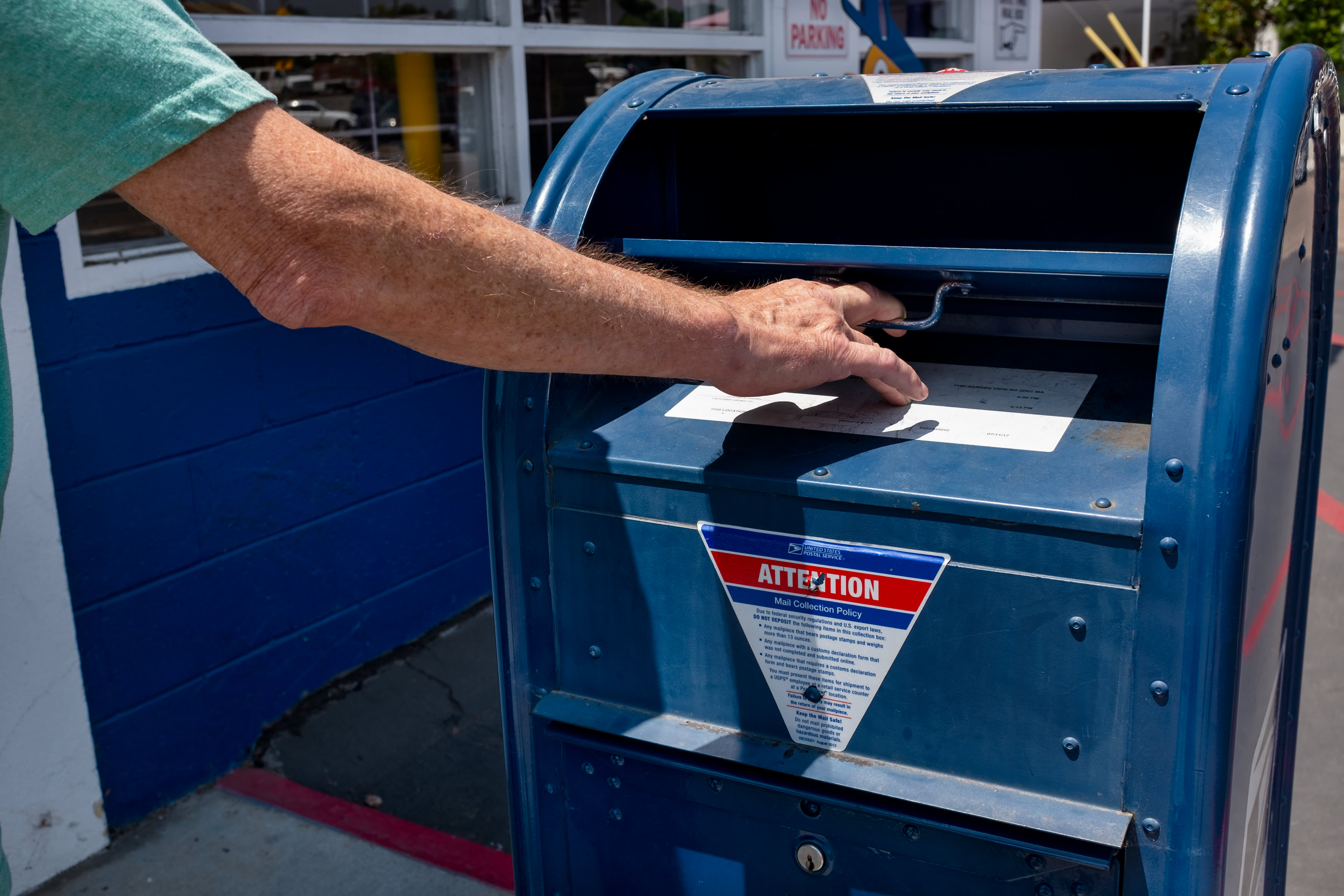
©Studio One-one | Moment Unreleased | Getty Images
Why Postmarks May No Longer Match Mailing Dates
The U.S. Postal Service is warning consumers that the date stamped on mailed items may no longer reflect the day they were dropped off or placed in a mailbox. While USPS says it is not changing how postmarks are applied, it is clarifying what the postmark actually represents and what senders should expect under its updated operating model.
A postmark records the date a piece of mail is processed at a postal facility, not necessarily the day USPS first takes possession of it. Historically, those two dates often aligned. Under the Postal Service’s current network structure, that is increasingly no longer the case.
According to a public notice that took effect December 24, delays between mailing and postmarking are expected to increase as USPS continues to modernize its operations and reduce costs.
What’s Changed Inside the Postal Network
The shift is tied to USPS’s multiyear Delivering for America initiative, launched in 2021 to stabilize the agency’s finances and update aging infrastructure. The plan includes higher postage rates, fewer processing centers, revised transportation schedules, and more centralized mail handling.
Many local post offices that once sent outgoing mail to processing hubs multiple times per day now dispatch mail only once, typically in the morning. Mail dropped off later in the day may sit overnight before entering the processing stream.
At the same time, more mail is traveling longer distances to reach regional processing and distribution centers, which is where postmarks are applied. Research from the Brookings Institution shows that only about a quarter of post offices are located within 50 miles of their assigned regional center, while another quarter are between 150 and 500 miles away.
The practical result is that mail often does not begin moving through the system until the next business day, and sometimes later around weekends or federal holidays. When processing is delayed, the postmark is delayed as well.
Why This Matters for Everyday Deadlines
For many Americans, postmarks are more than a formality. They serve as legal proof that a document was mailed on time.
Each year, roughly 10 million federal tax returns are still filed by mail rather than electronically, according to IRS data. Nearly 30 percent of voters cast mail-in ballots in the most recent election cycle. About 13 percent of U.S. households continue to pay at least some bills by mail, according to USPS’s 2024 Household Diary Study.
In all of these cases, a late postmark can mean serious consequences, from a ballot being rejected to penalties for late tax filing or payment.
Consumer advocates say the change challenges a long-standing assumption. Many people still believe that dropping mail at a post office or collection box guarantees a same-day postmark, even though that is no longer consistently true.
How to Protect Yourself Against Postmark Delays
USPS says customers who need the postmark date to match the mailing date should take additional steps.
The most reliable option is to bring time-sensitive mail directly to a post office counter and ask for a manual postmark. This service is free and ensures the item is stamped that day.
Other paid options include certified mail, which currently costs $5.30 and provides proof of mailing and delivery, or a certificate of mailing for $2.40, which confirms the date an item was sent. These options create a paper trail that can be critical if a deadline is disputed.
Financial and tax professionals recommend building in extra time whenever possible or using electronic filing and payment systems when available.
What Taxpayers Need to Know Before Filing Season
The timing issue is especially important during tax season. The IRS treats a return as filed on time if it is postmarked on or before the tax deadline, typically April 15, even if it arrives later. But if the postmark is applied after that date, the return is considered late.
For taxpayers who still mail their returns, dropping documents in a mailbox on April 15 may no longer be sufficient protection. A delayed postmark could trigger penalties and interest, even if the return was physically mailed on time.
The penalty for filing a late federal tax return is 5 percent of the unpaid tax per month or partial month, up to a maximum of 25 percent. Late payment penalties add another 0.5 percent per month, also capped at 25 percent. Interest accrues daily on unpaid balances at the federal short-term rate plus 3 percent.
Tax professionals advise anyone mailing a return close to the deadline to request a manual postmark or use certified mail. While penalty waivers are sometimes available for taxpayers with strong compliance histories, relying on that relief can be risky.
Planning Ahead Is Now Essential
USPS emphasizes that it has not altered its postmarking rules, only clarified how they work within a restructured network. For consumers, however, the practical takeaway is clear: mailing something on a given day no longer guarantees it will be postmarked that day.
As mail processing becomes more centralized and timelines less predictable, individuals and businesses sending time-sensitive documents should adjust their habits accordingly. Mailing earlier, visiting a post office counter, or switching to digital options may now be the difference between meeting a deadline and missing it.
.webp)
Popular articles



Subscribe to unlock premium content
Greece’s Tourism-Driven Economy: Lessons From Financial Crises

The Rise of Remote Work and the Quiet Transformation of Cities

Scented Sophistication Lights Up the Season

Greece’s Tourism-Driven Economy: Lessons From Financial Crises
The Rise of Remote Work and the Quiet Transformation of Cities
Greece’s Tourism-Driven Economy: Lessons From Financial Crises