US Set to Launch 15 Percent Global Tariff as Administration Signals Broader Trade Reset

US Set to Launch 15 Percent Global Tariff as Administration Signals Broader Trade Reset
By
David Goldfarb
Last updated:
March 5, 2026
First Published:
April 25, 2026

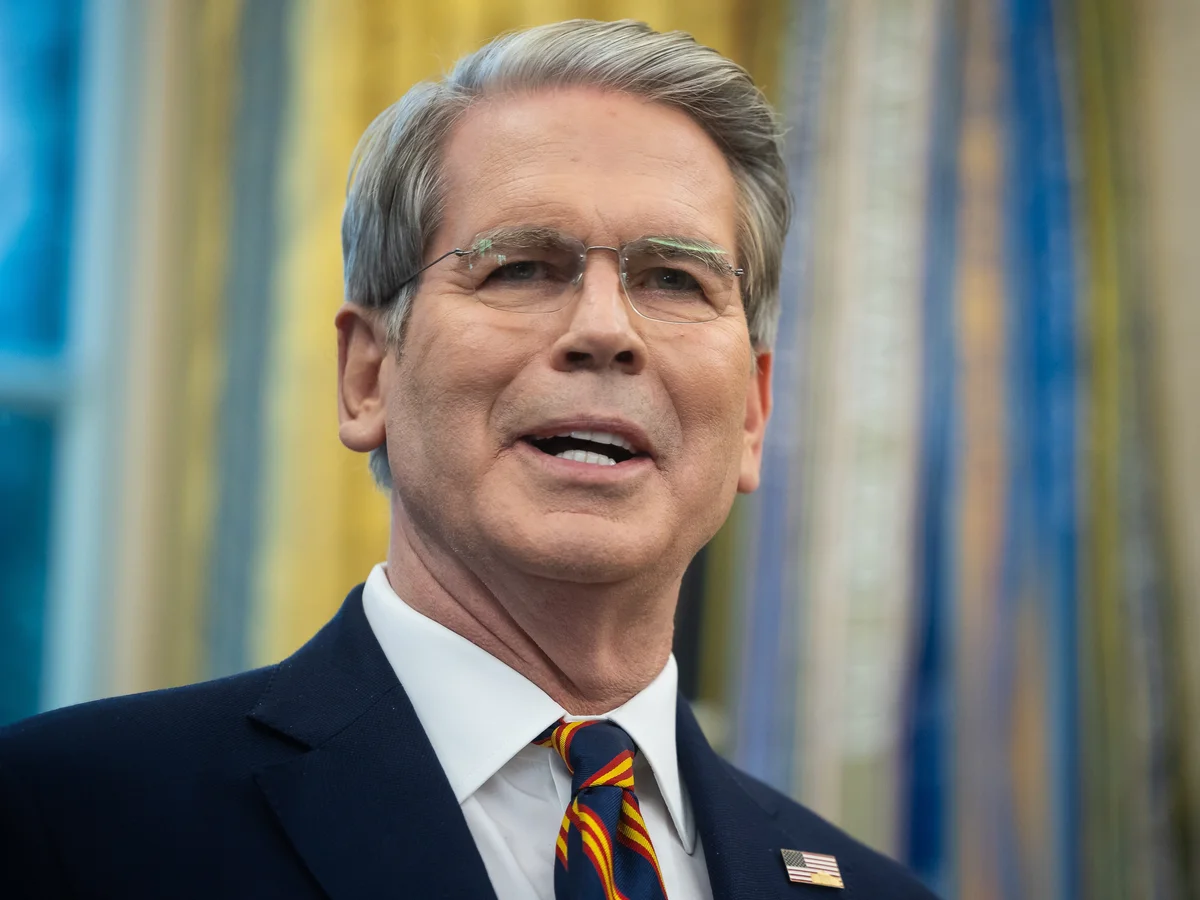
Photo: The Guardian
Washington Prepares to Implement New Global Tariff
The United States is preparing to roll out a new global tariff of 15 percent on imported goods as early as this week, according to Treasury Secretary Scott Bessent. The proposed rate represents a notable increase from the current 10 percent tariff that has been in place since late February.
The tariff plan stems from trade actions championed by President Donald Trump, who has continued to push for more aggressive import duties as part of a broader strategy aimed at protecting American industries and reducing the U.S. trade deficit. Speaking during an interview on CNBC’s Squawk Box, Bessent suggested the higher tariff rate could be implemented imminently.
If the increase is finalized, the adjustment would mark another significant step in the administration’s evolving trade policy following recent legal setbacks surrounding earlier tariff programs.
Background on the Recent Supreme Court Decision
The current tariff framework emerged after a ruling by the Supreme Court of the United States on February 20 that struck down a series of broad tariffs introduced by the Trump administration last year.
In a narrow 6–3 decision, the court determined that the president had exceeded his authority by using the International Emergency Economic Powers Act to impose sweeping tariffs on imports from dozens of countries without explicit approval from Congress.
The ruling effectively invalidated a number of the “reciprocal tariffs” that had previously targeted goods from major trading partners around the world. Those duties had in some cases exceeded 20 percent depending on the product category and country of origin.
The decision forced the administration to quickly identify an alternative legal pathway to maintain tariffs while pursuing its broader trade agenda.
New Tariff Authority Under the Trade Act
Within hours of the court ruling, President Trump signed a new executive order establishing a replacement tariff program using authority granted under Trade Act of 1974.
Specifically, the administration invoked Section 122 of the law, which allows the president to temporarily impose tariffs or import restrictions to address balance-of-payments problems or sudden trade imbalances. Under this provision, tariffs can remain in place for up to 150 days unless Congress votes to extend them.
The replacement tariff was initially set at 10 percent when it took effect in late February. However, Trump soon announced plans to increase the rate to 15 percent, stating that the higher duty would apply “effective immediately.”
Despite that announcement, the tariff remained at 10 percent in practice, prompting questions from economists and market analysts about when the promised increase would actually be implemented.
Bessent Clarifies Timeline for the 15 Percent Tariff
During his television interview, Bessent addressed that discrepancy and indicated the increase is now likely to occur within days.
According to the Treasury secretary, federal agencies including the Office of the U.S. Trade Representative and the Commerce Department are finalizing administrative steps needed to formally raise the tariff rate.
Once implemented, the 15 percent tariff would apply broadly to imported goods across multiple sectors. While specific exemptions could still emerge during the regulatory process, the measure is expected to affect a wide range of consumer products, industrial materials and intermediate goods entering the U.S. market.
The policy could influence billions of dollars in global trade flows, particularly as the United States remains the world’s largest importer with more than $3.1 trillion in goods imports recorded in recent years.
Administration Expects Stronger Tariff Powers Later This Year
While the new 15 percent tariff is designed as a temporary solution, Bessent signaled that the administration expects to restore broader and more durable tariff authorities later in the year.
According to his estimate, the United States could return to tariff levels similar to those that existed before the Supreme Court ruling within roughly five months.
That timeline points to August as a potential turning point for U.S. trade policy. During the 150 day window allowed under Section 122, federal agencies will conduct extensive economic and legal studies that could support new tariff programs using other provisions of trade law.
“These authorities are slower moving but far more durable,” Bessent said, noting that alternative trade enforcement tools have historically withstood thousands of legal challenges.
Economic Implications for Global Trade
The potential shift back toward higher tariffs could have broad implications for global supply chains and international commerce.
Tariffs are effectively taxes on imported goods, and economists often warn that they can increase costs for domestic businesses that rely on foreign components. Higher import prices can also feed into inflation if companies pass those costs on to consumers.
At the same time, supporters argue that tariffs can help protect domestic industries by making imported products less competitive, encouraging companies to expand production within the United States.
With U.S. trade policy now in a transitional phase following the Supreme Court ruling, businesses around the world are closely monitoring Washington’s next moves.
The expected rollout of the 15 percent tariff this week could serve as the first step in a broader restructuring of American trade policy as the administration seeks more permanent legal pathways to maintain its tariff strategy.
.webp)
Popular articles



Subscribe to unlock premium content
Remote Himalayan Villages Transforming Ancient Traditions into Lucrative Wellness Ventures

Gilded Holidays in Fashion

Frozen Frontiers of Luxury

Remote Himalayan Villages Transforming Ancient Traditions into Lucrative Wellness Ventures
Gilded Holidays in Fashion
Remote Himalayan Villages Transforming Ancient Traditions into Lucrative Wellness Ventures