UK Prime Minister Keir Starmer Leads Major Business Delegation to China in High-Stakes Economic Reset

UK Prime Minister Keir Starmer Leads Major Business Delegation to China in High-Stakes Economic Reset
By
Calder Monroe
Last updated:
January 28, 2026
First Published:
January 28, 2026

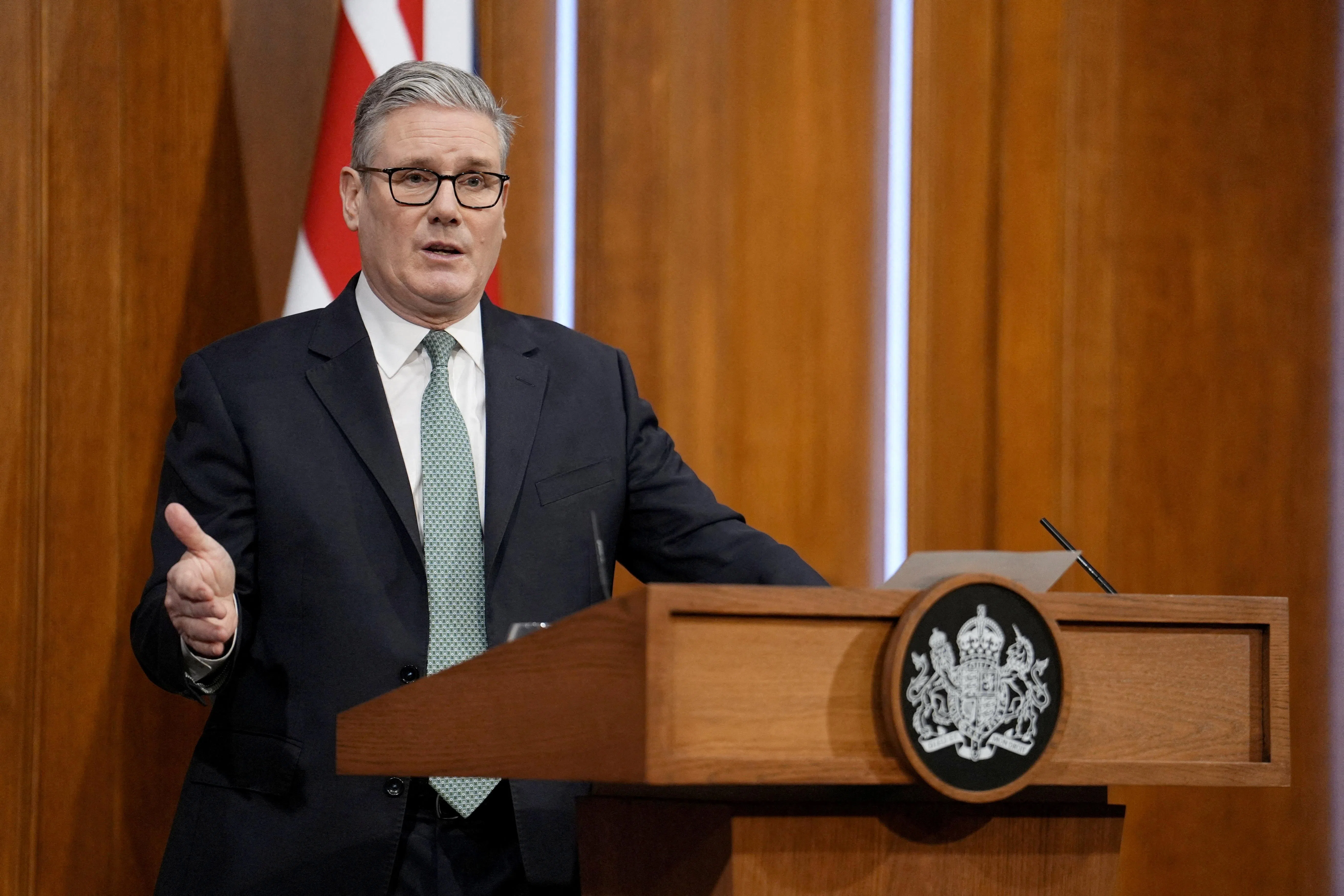
Photo: The Business Times
A Strategic Return to Beijing After Nearly a Decade
UK Prime Minister Keir Starmer is making his first official visit to China this week, marking the first trip by a British leader to Beijing in eight years and signaling a renewed push to strengthen economic relations between the two countries.
Starmer is traveling with a delegation of nearly 60 British business leaders and cultural organizations, underscoring the scale and importance of the visit. The mission reflects London’s broader effort to reengage with the world’s second-largest economy at a time when global trade patterns are shifting and geopolitical tensions remain elevated.
China is currently the UK’s fourth-largest trading partner, with bilateral trade exceeding £100 billion annually in recent years. British officials see fresh opportunities in sectors ranging from finance and aviation to pharmaceuticals, green energy, and advanced manufacturing.
High-Level Talks Centered on Trade, Investment, and Security
During the visit, Starmer is scheduled to meet Chinese President Xi Jinping and Premier Li Qiang. According to the UK government, discussions will focus on boosting two-way trade, encouraging cross-border investment, and addressing national security concerns.
The talks come as the UK seeks to rebalance its economic strategy post-Brexit, aiming to diversify export markets while maintaining safeguards around sensitive technologies and critical infrastructure.
British policymakers are expected to raise issues such as market access for UK firms, intellectual property protections, supply chain resilience, and cooperation on climate initiatives. China, meanwhile, is pushing to attract foreign investment as it works to stabilize growth following a period of slower economic momentum and cautious global capital flows.
Heavyweight Corporate Leaders Join the Delegation
The business contingent accompanying Starmer includes senior executives from some of Britain’s most influential companies.
From the financial sector, HSBC Group Chairman Brendan Nelson and Aberdeen Group CEO Jason Windsor are taking part, highlighting the importance of China to global banking and asset management. HSBC alone generates a significant share of its profits from Asia, with mainland China and Hong Kong playing central roles in its long-term strategy.
Aviation and aerospace are also strongly represented. Airbus general counsel John Harrison is attending alongside British Airways Chief Commercial Officer Colm Lacy, reflecting growing demand for air travel in Asia and China’s continued expansion of its commercial aviation market.
The pharmaceutical industry features prominently in the delegation. AstraZeneca CEO Pascal Soriot and GSK Chair Sir Jonathan Symonds are joining the trip as well, emphasizing China’s importance as both a manufacturing hub and a rapidly growing healthcare market. China is already one of AstraZeneca’s largest single-country markets, with annual revenues in the billions of dollars, driven by rising demand for oncology and chronic disease treatments.
Together, these companies represent tens of billions in annual revenue and employ hundreds of thousands of people worldwide, underscoring the economic weight behind the visit.
Part of a Broader Wave of Global Engagement with China
Starmer’s trip comes amid a noticeable surge in high-level diplomatic engagement with Beijing. Over the past several weeks, China has hosted a series of foreign leaders, signaling its desire to deepen international ties as trade frictions with the United States and other partners continue.
Earlier this month, Canadian Prime Minister Mark Carney visited Beijing for talks on economic cooperation. On the first Monday of 2026, President Xi met Irish Prime Minister Michael Martin, marking Ireland’s first top-level visit to China in 14 years. Later that same day, Xi hosted South Korean President Lee Jae Myung, followed by talks with Finnish Prime Minister Petteri Orpo.
This wave of diplomacy reflects a broader global recalibration, as countries seek to balance economic opportunity in China with strategic caution, particularly in areas such as technology, defense, and critical minerals.
UK Balances Economic Opportunity with Strategic Prudence
For the UK, the visit represents a careful effort to reopen channels with Beijing while maintaining a firm stance on national security. British officials have repeatedly stressed that engagement with China will be “pragmatic and clear-eyed,” combining commercial cooperation with protections for sensitive sectors.
Trade analysts note that UK exports to China include machinery, vehicles, pharmaceuticals, and financial services, while imports span electronics, consumer goods, and industrial components. Any expansion in bilateral trade could provide a boost to British exporters at a time when domestic growth remains under pressure.
At the same time, the government is expected to reinforce rules around foreign investment in critical infrastructure and emerging technologies, aiming to ensure that deeper economic ties do not compromise long-term security interests.
A Pivotal Moment for UK–China Relations
With nearly 60 organizations represented and meetings scheduled at the highest levels of China’s leadership, Starmer’s visit marks a pivotal moment in UK–China relations. For British businesses, it opens doors to one of the world’s largest consumer markets. For policymakers, it offers a chance to reset dialogue after years of limited engagement.
As global economic alliances continue to evolve, this high-stakes trip could shape the direction of UK–China cooperation for years to come, setting the tone for future trade agreements, investment flows, and diplomatic engagement in an increasingly complex international landscape.

Popular articles


Subscribe to unlock premium content
Dining Beneath the Waves
The $45 Million Glow-in-the-Dark Indoor Garden Revolution

Stars in the Palm of Your Hand

Dining Beneath the Waves
The $45 Million Glow-in-the-Dark Indoor Garden Revolution
Dining Beneath the Waves