UAE Weighs Freezing Iranian Assets Worth Billions as Regional Tensions Intensify

UAE Weighs Freezing Iranian Assets Worth Billions as Regional Tensions Intensify
By
Alina Sinclair
Last updated:
March 6, 2026
First Published:
April 25, 2026

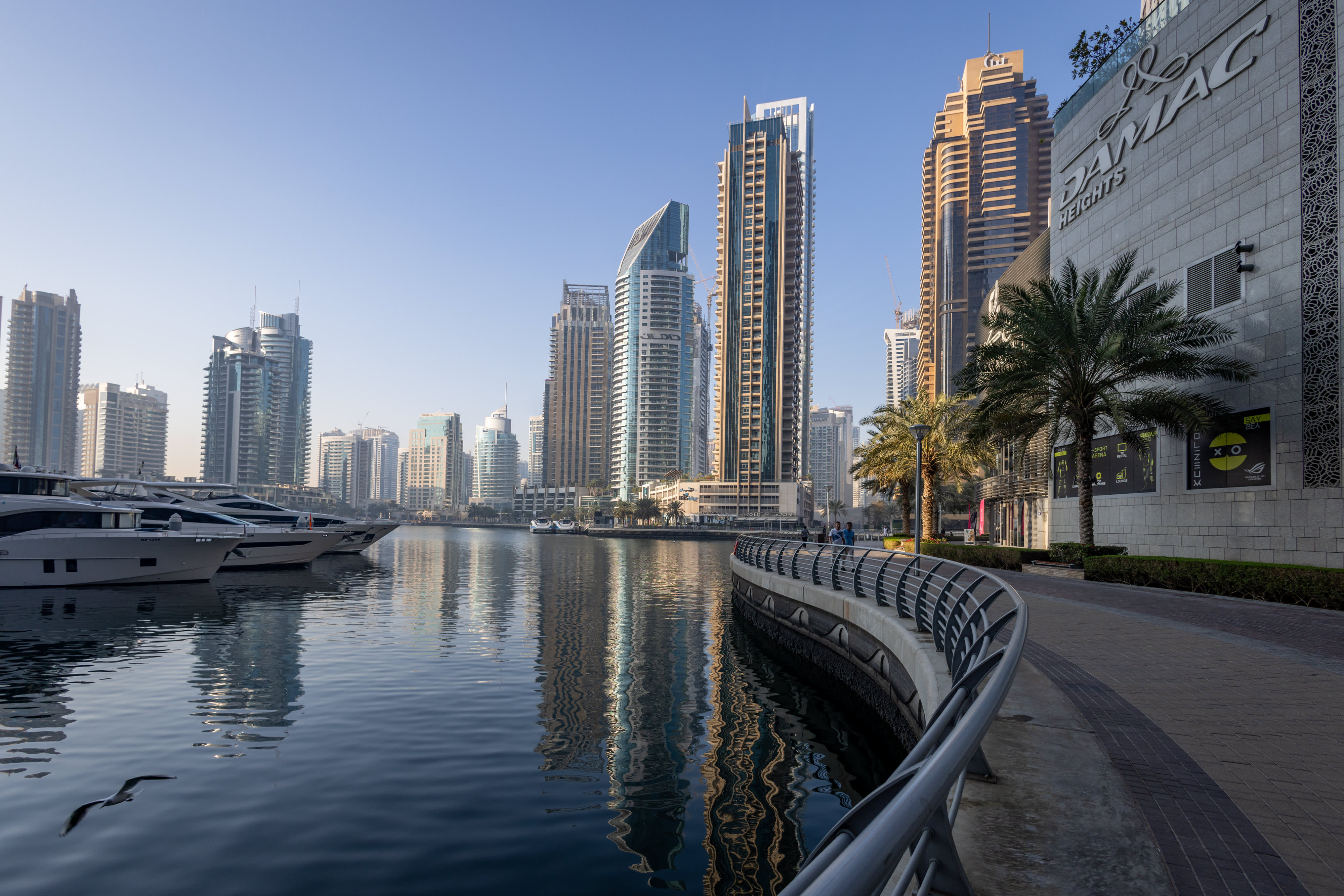
The Damac Heights real estate development, right, in the Dubai Marina in Dubai, United Arab Emirates, on Friday, Feb. 20, 2026.
Bloomberg | Bloomberg | Getty Images
UAE Considers Blocking Iranian Access to Billions in Assets
The United Arab Emirates is reviewing the possibility of freezing billions of dollars in Iranian-linked assets held within its financial system, a move that could significantly disrupt Tehran’s access to foreign currency and global trade channels.
Officials in Abu Dhabi are reportedly discussing the option internally as geopolitical tensions escalate in the Middle East. If implemented, the measure could mark one of the most consequential financial restrictions imposed on Iran from within the Gulf region in recent years.
According to people familiar with the discussions, Emirati authorities have already signaled to Iranian counterparts that asset restrictions are under consideration. However, no final decision has been made regarding the scale, timing, or specific entities that might be targeted.
The potential action comes at a particularly fragile moment for Iran’s economy, which has been under sustained pressure from international sanctions, currency volatility, and rising military expenditures.
A Financial Lifeline for Iranian Trade
For decades, the UAE — particularly Dubai — has functioned as one of Iran’s most important commercial gateways to the global economy.
Despite extensive Western sanctions, Iranian traders and businesses have relied on the emirate’s sophisticated financial infrastructure to facilitate international transactions. Analysts estimate that billions of dollars in Iranian-linked assets, trade proceeds, and corporate holdings are routed through banks, free-zone companies, and exchange houses in the UAE each year.
Dubai’s vast network of free zones, home to more than 45,000 companies, has allowed Iranian entrepreneurs to establish shell corporations that handle oil trading, commodity shipments, and logistics operations. Many of these firms operate within complex supply chains that obscure the original source of Iranian exports.
Informal currency exchange networks have also played a central role. These exchange houses move large volumes of funds across borders through non-traditional banking channels, often bypassing the international financial system’s stricter compliance frameworks.
Such mechanisms have helped Tehran maintain access to global markets despite restrictions imposed by the United States and its allies.
Growing Pressure From Washington
Washington has long urged Gulf partners to tighten oversight of financial networks linked to Iran. Over the past several years, the U.S. Treasury Department has sanctioned multiple companies and financial intermediaries operating out of the UAE for allegedly facilitating Iranian oil sales and financial transactions.
American officials have repeatedly warned that enforcement gaps within the UAE’s financial system could undermine global sanctions regimes. Several investigations have identified companies registered in Dubai that were involved in transporting or disguising Iranian crude shipments through complex shipping routes.
These concerns have increased pressure on Emirati regulators to strengthen compliance rules across banks, trading firms, and money exchange businesses.
If the UAE moves forward with asset freezes, analysts say it would signal a major shift toward closer alignment with Western sanctions enforcement.
Military Escalation Raises Stakes
The financial discussions are unfolding against the backdrop of escalating military tensions in the region.
Iran has reportedly launched more than 1,000 drones and missiles toward targets in the UAE in retaliation for a joint U.S.–Israel strike. The attacks have caused damage to multiple locations, including areas near Dubai International Airport, residential districts, and major hospitality properties such as the Fairmont hotel complex.
While Emirati air defense systems intercepted many of the projectiles, the strikes have raised serious concerns among investors and the country’s large expatriate population.
Dubai’s reputation as a safe and stable business hub has been central to its economic model. The emirate hosts over 200 nationalities and millions of expatriate professionals who operate multinational companies, financial institutions, and regional headquarters.
Security disruptions risk undermining the carefully cultivated image that has helped transform Dubai into one of the Middle East’s most important commercial centers.
UAE’s Balancing Act Between Iran and the West
Historically, the UAE has attempted to maintain a delicate balance between its strategic alliance with the United States and its geographic and economic ties with Iran.
Trade between the two countries has remained substantial despite political tensions. Prior to the latest escalation, annual non-oil trade between the UAE and Iran was estimated at roughly $20 billion, making the Emirates one of Tehran’s most important trading partners.
At the same time, the UAE hosts major U.S. military installations and cooperates closely with Washington on regional security issues.
This dual relationship has often required careful diplomatic navigation, allowing the UAE to preserve commercial links with Iran while supporting broader Western security objectives in the region.
However, Iran’s recent attacks appear to be forcing a reassessment of that balancing strategy.
Possible Financial Crackdown
Emirati regulators are now examining a range of financial countermeasures that could be deployed if tensions continue to rise.
Among the options under discussion are targeted freezes of Iranian-owned assets, restrictions on shell companies suspected of facilitating sanctions evasion, and tighter supervision of currency exchange houses believed to be moving Iranian funds.
Authorities are also reportedly reviewing financial transactions within several free zones where Iranian-linked firms have historically operated.
Such actions could significantly disrupt Tehran’s financial logistics network, which relies on foreign trading hubs to move oil revenues and conduct international business.
Financial analysts note that even partial restrictions could make it far more difficult for Iranian companies to settle cross-border payments, access hard currency, or maintain global supply chains.
UAE Stresses Defensive Posture
Despite the escalating tensions, the UAE government has publicly emphasized that it does not intend to join direct military action against Iran.
In an official statement earlier this week, the country’s foreign ministry reaffirmed its commitment to de-escalation and regional stability. Officials said the UAE would continue to pursue diplomatic solutions consistent with international law and the principles of the United Nations Charter.
Nevertheless, the government appears increasingly focused on defensive and financial measures that could protect its economy while limiting Iran’s ability to operate within its financial system.
If the asset freeze ultimately moves forward, it would represent one of the most significant economic pressure points applied to Iran from within the Gulf — potentially reshaping financial flows across the region.
.webp)
Popular articles



Subscribe to unlock premium content
Remote Himalayan Villages Transforming Ancient Traditions into Lucrative Wellness Ventures

Gilded Holidays in Fashion

Frozen Frontiers of Luxury

Remote Himalayan Villages Transforming Ancient Traditions into Lucrative Wellness Ventures
Gilded Holidays in Fashion
Remote Himalayan Villages Transforming Ancient Traditions into Lucrative Wellness Ventures