UAE Restores Airspace Operations After Temporary Shutdown Amid Escalating Regional Conflict

UAE Restores Airspace Operations After Temporary Shutdown Amid Escalating Regional Conflict
By
Junia Wells
Last updated:
March 17, 2026
First Published:
March 17, 2026

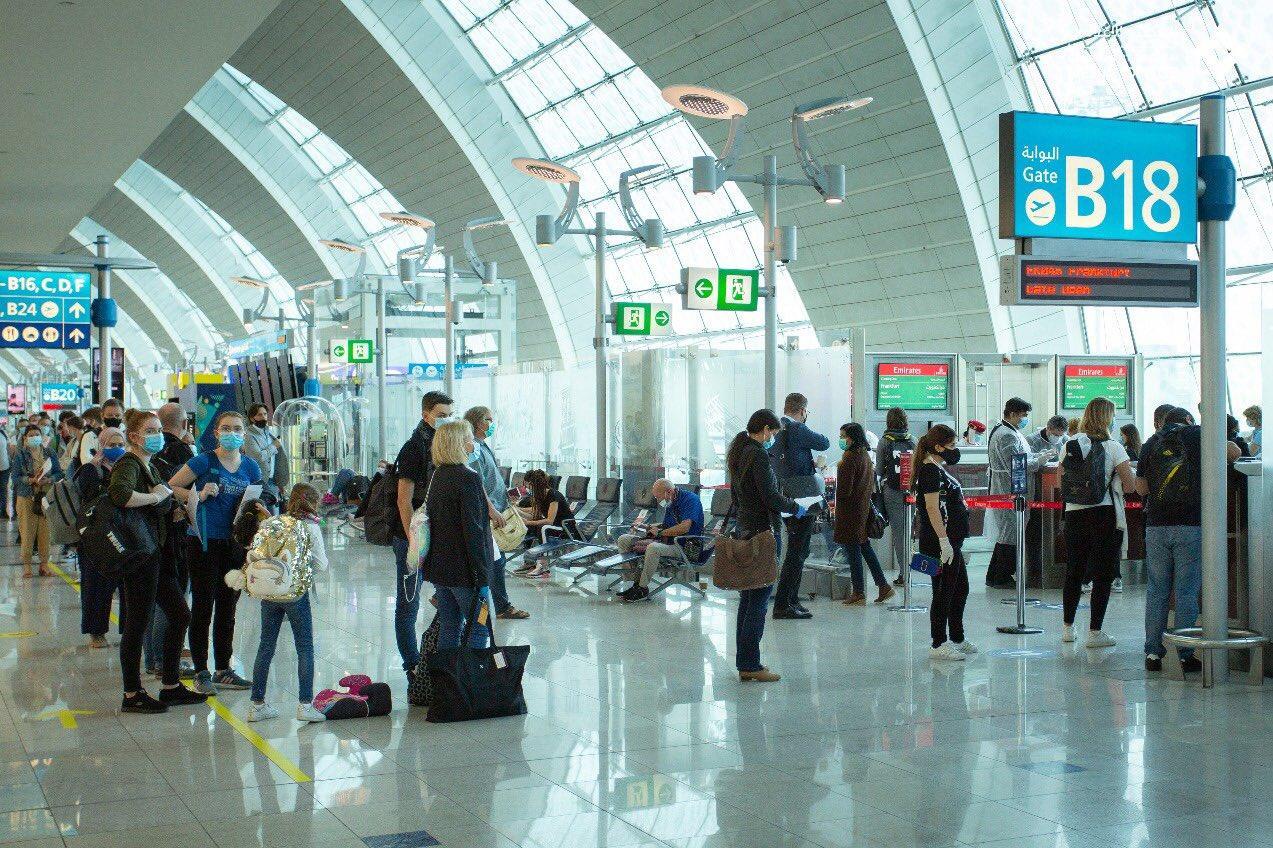
Photo: ZAWYA
The United Arab Emirates has reopened its airspace following a brief but complete shutdown, as escalating military tensions in the Middle East continue to disrupt aviation and raise safety concerns. The closure, which lasted nearly two hours, was implemented as a precautionary measure amid ongoing missile and drone attacks linked to the intensifying conflict involving Iran, the United States, and Israel.
Authorities confirmed that flight operations have resumed after a comprehensive review of security and operational conditions. Aviation regulators emphasized that the situation remains under constant real-time monitoring to ensure the safety of passengers, crews, and national airspace.
Rising Security Threats Drive Precautionary Measures
The temporary suspension of air traffic came as regional defenses responded to a surge in aerial threats. According to official figures, more than 300 ballistic missiles and approximately 1,600 drones have been intercepted since the conflict escalated, underscoring the scale and intensity of the situation.
The shutdown was described as an exceptional but necessary step to mitigate immediate risks. With airspace across parts of the Middle East becoming increasingly unpredictable, authorities opted for a full halt rather than partial restrictions, prioritizing safety over continuity.
Airport Disruptions Add to Operational Strain
The situation has directly impacted key aviation hubs, including Dubai International Airport, one of the busiest airports in the world. Operations there were disrupted following a drone strike that hit a nearby fuel depot, causing a fire. While no injuries were reported, the incident marked the fourth drone-related disruption at the airport in recent weeks.
Flights resumed on a limited basis shortly after, but the incident exposed vulnerabilities in critical infrastructure and added pressure on aviation authorities to reassess risk management strategies.
Passenger delays, rescheduled departures, and temporary cancellations have become more frequent, particularly for routes passing through high-risk zones.
Airlines Reroute and Cut Services
Airlines operating in and out of the region have begun adjusting their schedules to navigate the volatile environment. Several carriers have reduced frequencies or suspended select routes altogether, particularly those connecting major Middle Eastern cities.
British Airways, for instance, has extended its temporary reduction in flights across key destinations including Abu Dhabi, Doha, Dubai, Amman, Bahrain, and Tel Aviv. The airline cited ongoing uncertainty and safety concerns as primary reasons for the adjustments.
To manage the disruption, additional support measures have been introduced. Relief flights have been deployed from alternative hubs such as Muscat, while extra capacity has been added on routes linking Asia, including Singapore and Bangkok, to accommodate stranded or rerouted passengers.
Broader Impact on Regional Aviation
The ripple effects of the conflict are being felt across the entire Middle East aviation network. Airspace closures, flight diversions, and longer routes are increasing operational costs for airlines, particularly due to higher fuel consumption and extended flight times.
Insurance premiums for airlines operating in the region are also expected to rise, while logistical challenges continue to mount for both passenger and cargo services. The Middle East serves as a critical global transit corridor connecting Europe, Asia, and Africa, making any disruption particularly significant for international travel and trade.
Outlook Remains Uncertain
Although the UAE has reopened its airspace, the broader outlook remains highly uncertain. Authorities have made it clear that further restrictions could be implemented at short notice depending on how the security situation evolves.
Airlines are maintaining flexible operational strategies, with many keeping contingency plans in place for rapid rerouting or cancellations. Travelers are being advised to stay updated on flight statuses and prepare for possible changes.
As the conflict enters its third week, the aviation sector continues to operate under heightened alert. The ability to adapt quickly to shifting risks will be critical in maintaining both safety and operational continuity in one of the world’s most strategically important air travel regions.
.webp)
Popular articles



Subscribe to unlock premium content
Fermenting Success in South Korea

Hidden Literary Treasures in the Age of Giants

Whispers of Wealth in Japan

Fermenting Success in South Korea
Hidden Literary Treasures in the Age of Giants
Fermenting Success in South Korea