U.S. Uncovers $160 Million Nvidia GPU Smuggling Ring Supplying China

U.S. Uncovers $160 Million Nvidia GPU Smuggling Ring Supplying China
By
Calder Monroe
Last updated:
January 2, 2026
First Published:
January 2, 2026

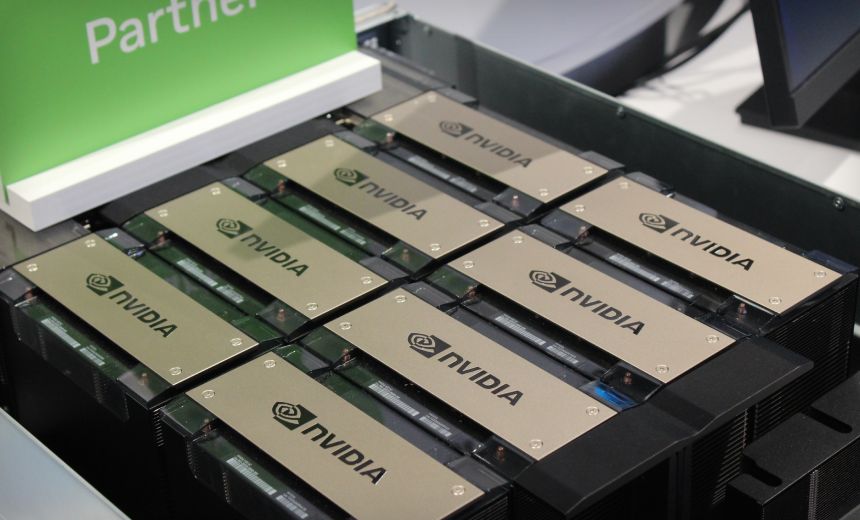
Photo: BankInfoSecurity
Operation Gatekeeper Exposes Illegal Nvidia Chip Network
On December 8, federal prosecutors in Texas revealed the dismantling of a sophisticated China-linked smuggling operation that attempted to export at least $160 million worth of Nvidia H100 and H200 GPUs between October 2024 and May 2025. The investigation, dubbed “Operation Gatekeeper,” targeted a secret network of operatives, front companies, and warehouse operations facilitating the illicit shipment of AI chips critical for both commercial and military applications.
The revelation comes amid escalating competition between the United States and China for access to cutting-edge semiconductor technology, which powers many of the world’s leading AI models. According to analysts, over 60% of China’s top AI models rely on Nvidia hardware, giving the company a significant technological advantage that China is eager to bridge.
How the Smuggling Network Operated
Investigators uncovered a complex system in which conspirators illegally brought individuals into the U.S., set up shell companies, and operated a warehouse in Secaucus, New Jersey, where an undercover agent documented chips being relabeled with a fictitious brand called “Sandkayan.” Export paperwork misrepresented the GPUs as “adapters” or “contactor controllers” to evade U.S. export controls.
The operation culminated on May 28, 2025, when federal agents intercepted three trucks at the New Jersey warehouse attempting to transport the chips. Text messages allegedly exchanged by the conspirators revealed attempts to mislead the drivers and erase all digital traces, but authorities secured the equipment before it could reach China.
Rising Demand and Global Implications
The crackdown highlights the growing global demand for Nvidia’s AI chips. While China is building its domestic semiconductor industry, it remains heavily reliant on U.S.-made GPUs. Analysts warn that despite regulatory enforcement, smuggling of high-end chips will likely continue due to surging compute demand in AI development worldwide.
Ray Wang, an analyst at SemiAnalysis, said, “Even with local chip development, China’s AI ecosystem is still dependent on Nvidia’s hardware and software. The scale and sophistication of global smuggling show how critical these chips are.”
Legal Fallout and Presidential Intervention
Operation Gatekeeper resulted in arrests of two businessmen and a guilty plea from a Houston-based man and his company. However, the legal landscape shifted when President Donald Trump announced that the U.S. would allow the export of Nvidia’s H200 GPUs to China under conditions including a 25% sales cut to the U.S., while the most advanced chips, such as the Blackwell and Rubin GPUs, remain restricted.
Defense attorneys quickly cited the announcement in court filings, arguing it undercuts claims that the chips pose a national security threat, potentially complicating prosecution efforts.
The Future of Nvidia Chip Security
Nvidia emphasized that U.S. export controls are rigorous, covering even older-generation chips sold on secondary markets. Despite this, experts say the illicit flow of AI hardware is likely to continue, fueled by high demand and global competition in artificial intelligence.
The case underscores the challenges of regulating critical technology in an era where AI capabilities are reshaping industries and geopolitical power. Analysts predict that securing high-end semiconductor supply chains will remain a top priority for the U.S. government as the race for AI supremacy intensifies.
.webp)
Popular articles



Subscribe to unlock premium content
Iceland’s Geothermal Revolution

Bali’s Digital Detox Revolution

Step Into the Future of Art

Iceland’s Geothermal Revolution
Bali’s Digital Detox Revolution
Iceland’s Geothermal Revolution