U.S. Trade Gap Holds Near $900 Billion in 2025 Despite Sweeping Tariff Campaign

U.S. Trade Gap Holds Near $900 Billion in 2025 Despite Sweeping Tariff Campaign
By
Alina Sinclair
Last updated:
February 20, 2026
First Published:
February 20, 2026

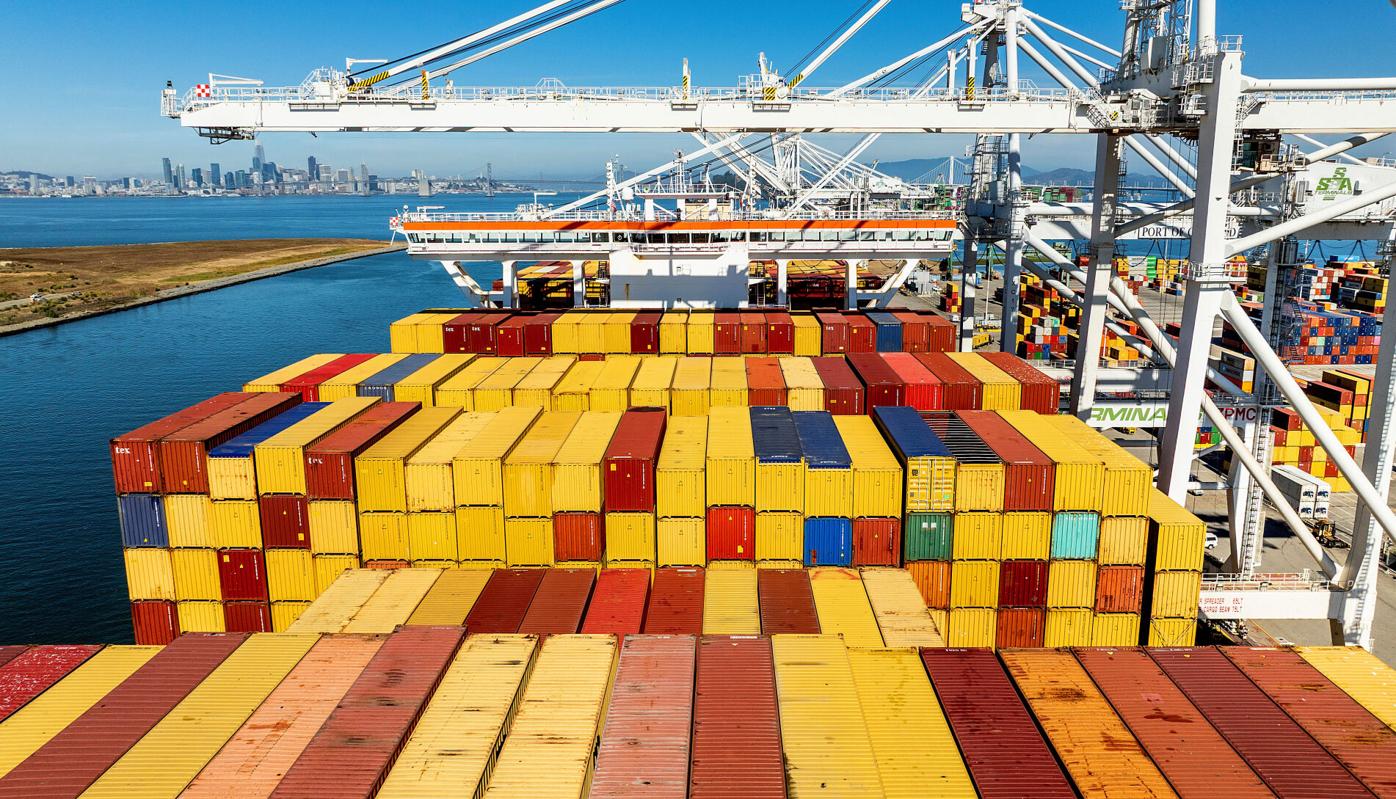
Photo: KTVN
Deficit Ends the Year Largely Unchanged
The United States closed 2025 with a trade deficit of about $901.5 billion, showing only a marginal improvement from the previous year and underscoring how difficult it remains to materially shrink the gap between imports and exports.
According to data released by the U.S. Commerce Department, the annual shortfall declined by roughly $2.1 billion, or 0.2%, compared with 2024 — a minimal shift given the scale of policy interventions and global market volatility throughout the year. The figure also remains historically elevated, though slightly below the record imbalance seen earlier in the decade.
December Surge Highlights Ongoing Volatility
The final month of the year illustrated how quickly trade dynamics can shift. December’s deficit widened to $70.3 billion, jumping more than $17 billion from November and coming in far above market expectations.
Economists say the late-year increase reflected a mix of seasonal import demand, currency fluctuations, and shifting supply chains as companies adjusted sourcing strategies ahead of potential policy changes.
Tariffs Reshape Trade but Not the Bottom Line
The data caps a year dominated by aggressive trade actions from the administration of Donald Trump, including a baseline 10% tariff on imports and additional reciprocal duties targeting countries with large surpluses against the United States.
While the measures aimed to encourage domestic production and rebalance trade flows, many analysts note that businesses adapted by rerouting supply chains rather than significantly reducing overall import volumes. Negotiations with key partners also led to partial rollbacks and adjustments, softening the policies’ long-term impact.
Front-Loaded Imports and Shifting Supply Chains
Early in the year, companies accelerated shipments to get ahead of new tariffs, driving a surge in imports during the first quarter. As inventories stabilized and policy clarity improved, the pace of imports moderated, with the deficit narrowing temporarily in the autumn to its lowest monthly level since the aftermath of the global financial crisis.
This pattern reflects a broader trend in which trade policy influences timing and sourcing decisions more than overall demand, especially in a large consumer-driven economy.
Where the Largest Imbalances Lie
The United States recorded its biggest goods deficit with the European Union at roughly $218.8 billion, followed by China at $202.1 billion and Mexico at $196.9 billion.
These figures highlight the continued concentration of trade imbalances among major manufacturing and export hubs, even as supply chains diversify across Southeast Asia and other regions.
Trade Volumes Continue to Grow
Despite the persistent deficit, overall trade activity expanded in 2025. U.S. exports reached approximately $3.43 trillion, rising nearly $200 billion from the previous year, supported by strong demand for services, energy products, and advanced manufacturing goods.
Imports also climbed, totaling about $4.33 trillion — an increase of roughly $198 billion — reflecting resilient consumer spending and ongoing reliance on foreign-produced intermediate goods.
What It Signals for the Outlook
The near-steady deficit suggests that structural forces — including domestic consumption patterns, currency dynamics, and global supply chain integration — continue to outweigh short-term policy measures.
For policymakers, the data reinforces the challenge of narrowing the trade gap without broader shifts in savings rates, industrial capacity, and global demand. For businesses and investors, it signals that while tariffs can alter trade routes and pricing, they rarely produce immediate or dramatic changes in aggregate balances.
.webp)
Popular articles



Subscribe to unlock premium content
Visa and the Invisible Engine Powering Global Digital Money

Disney’s Streaming Empire Built on Regional Storytelling Power

The Slow Revolution of Steel and Memory Across Eastern Europe

Visa and the Invisible Engine Powering Global Digital Money
Disney’s Streaming Empire Built on Regional Storytelling Power
Visa and the Invisible Engine Powering Global Digital Money