U.S. Tightens Sanctions Pressure on Banks Linked to Chinese Refineries Handling Iranian Oil

U.S. Tightens Sanctions Pressure on Banks Linked to Chinese Refineries Handling Iranian Oil
By
Rachel Steinberg
Last updated:
April 29, 2026
First Published:
April 29, 2026


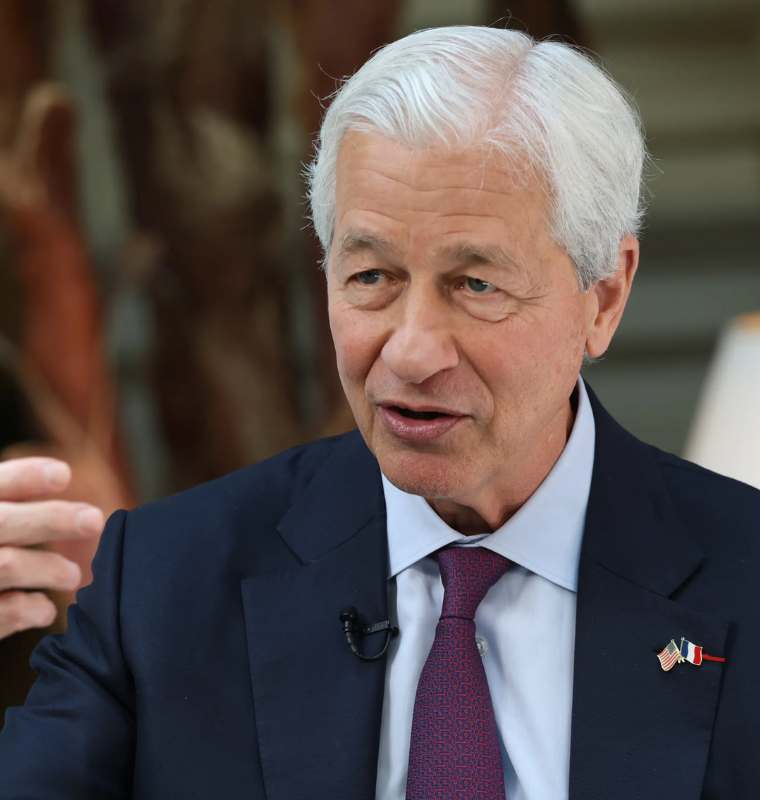
Photo: Bloomberg News
The United States has issued a fresh warning to global banks and financial institutions, cautioning that any involvement with Chinese refineries processing Iranian oil could expose them to severe sanctions. The move signals a renewed escalation in Washington’s “maximum pressure” strategy aimed at cutting off Tehran’s key revenue streams.
In a strongly worded statement, the U.S. Treasury emphasized that institutions facilitating transactions tied to so-called “teapot” refineries in China may face direct penalties. These smaller, independent refiners have become central players in the global trade of sanctioned Iranian crude, operating largely outside traditional regulatory frameworks.
China’s Dominant Role in Iranian Oil Trade
China remains the largest buyer of Iranian oil by a significant margin, accounting for roughly 90% of Tehran’s crude exports. A substantial portion of this volume flows into independent refineries, particularly in Shandong province, where teapot operators dominate the processing landscape.
These refineries have become critical to sustaining Iran’s oil revenues, especially as Western sanctions have restricted access to formal global markets. By relying on smaller, less scrutinized entities, Iran has been able to maintain export volumes despite ongoing restrictions.
However, U.S. authorities argue that this trade directly funds Iran’s military operations, weapons development programs, and broader geopolitical ambitions, making it a key target for enforcement.
Financial System Exposure Raises Red Flags
The Treasury highlighted growing concerns that some Chinese refiners are still interacting with the global financial system, including conducting transactions in U.S. dollars and sourcing American goods. This creates a direct compliance risk for international banks, particularly those with exposure to cross-border payments or trade financing.
As a result, regulators are urging financial institutions to adopt stricter due diligence protocols. This includes closely monitoring transactions involving Chinese energy firms, logistics providers, and intermediaries linked to the Iran-China oil corridor.
Banks have also been advised to scrutinize counterparties operating in Asia and the Middle East, where complex supply chains often obscure the origin of crude shipments.
The Shadow Network Behind Iranian Oil Flows
Iran’s oil exports increasingly rely on a sophisticated network designed to evade detection. This includes the use of a so-called “shadow fleet” of tankers that operate under sanctions, often disabling tracking systems or manipulating location data to avoid monitoring.
Ship-to-ship transfers are another common tactic, frequently conducted in strategic waterways such as the Persian Gulf or the Strait of Malacca. These operations allow cargo to be transferred between vessels multiple times, making it difficult to trace the oil’s origin.
In many cases, crude shipments are also rebranded or blended with other supplies. One widely used method involves labeling Iranian oil as “Malaysian blend,” supported by falsified documentation to bypass regulatory scrutiny.
Expanding Sanctions and Enforcement Actions
The U.S. has already taken concrete steps to disrupt this network. In recent weeks, several Chinese refineries have been sanctioned, including a major operator identified as a significant buyer of Iranian crude.
Authorities have also widened enforcement efforts to include port operators, storage facilities, and logistics companies that facilitate the movement and handling of these shipments. This broader approach reflects a shift toward targeting the entire supply chain rather than just producers and buyers.
Officials have reiterated that any entity involved in enabling these transactions, whether directly or indirectly, risks being cut off from the U.S. financial system.
Economic Pressure on Iran Intensifies
Washington’s strategy is designed to significantly reduce Iran’s oil income, which remains a primary source of government revenue. Estimates suggest that Iran could be generating hundreds of millions of dollars per day from crude exports, despite sanctions.
However, logistical constraints are beginning to emerge. Key export hubs, including Iran’s main terminal, are reportedly nearing storage capacity. If exports are disrupted or slowed, Iran may be forced to scale back production, potentially losing substantial daily revenue.
This adds another layer of urgency to U.S. efforts, as limiting Iran’s ability to sell oil could have both economic and geopolitical implications.
Diplomatic Tensions in the Background
The timing of the warning is particularly notable, coming just weeks before a planned high-level visit between U.S. and Chinese leadership. Trade, investment, and geopolitical stability are expected to dominate the agenda, with energy flows likely to be a key point of discussion.
China has consistently opposed unilateral sanctions, arguing that such measures undermine international trade norms and global economic stability. This divergence in approach continues to complicate cooperation between the world’s two largest economies.
Meanwhile, tensions between the U.S. and Iran remain elevated, despite a temporary ceasefire. Critical chokepoints such as the Strait of Hormuz remain partially disrupted, adding further uncertainty to global energy markets.
What This Means for Global Banks and Trade
For financial institutions, the message is clear: compliance risks are rising, and the cost of missteps could be severe. Increased scrutiny, tighter regulations, and expanding sanctions enforcement are forcing banks to reassess their exposure to energy trade flows, particularly those involving high-risk jurisdictions.
The broader impact extends beyond banking. Global oil markets, shipping networks, and commodity traders are all being drawn into a more complex and fragmented system, where geopolitical dynamics increasingly shape economic outcomes.
As enforcement intensifies, the intersection of finance, energy, and geopolitics is becoming more critical than ever, with institutions needing to navigate a rapidly evolving risk landscape.
.webp)
Popular articles



Subscribe to unlock premium content
Remote Himalayan Villages Transforming Ancient Traditions into Lucrative Wellness Ventures

Gilded Holidays in Fashion

Frozen Frontiers of Luxury

Remote Himalayan Villages Transforming Ancient Traditions into Lucrative Wellness Ventures
Gilded Holidays in Fashion
Remote Himalayan Villages Transforming Ancient Traditions into Lucrative Wellness Ventures