U.S. Signals Possible Exit From Global Energy Watchdog Amid Net Zero Dispute

U.S. Signals Possible Exit From Global Energy Watchdog Amid Net Zero Dispute
By
David Goldfarb
Last updated:
February 20, 2026
First Published:
February 20, 2026

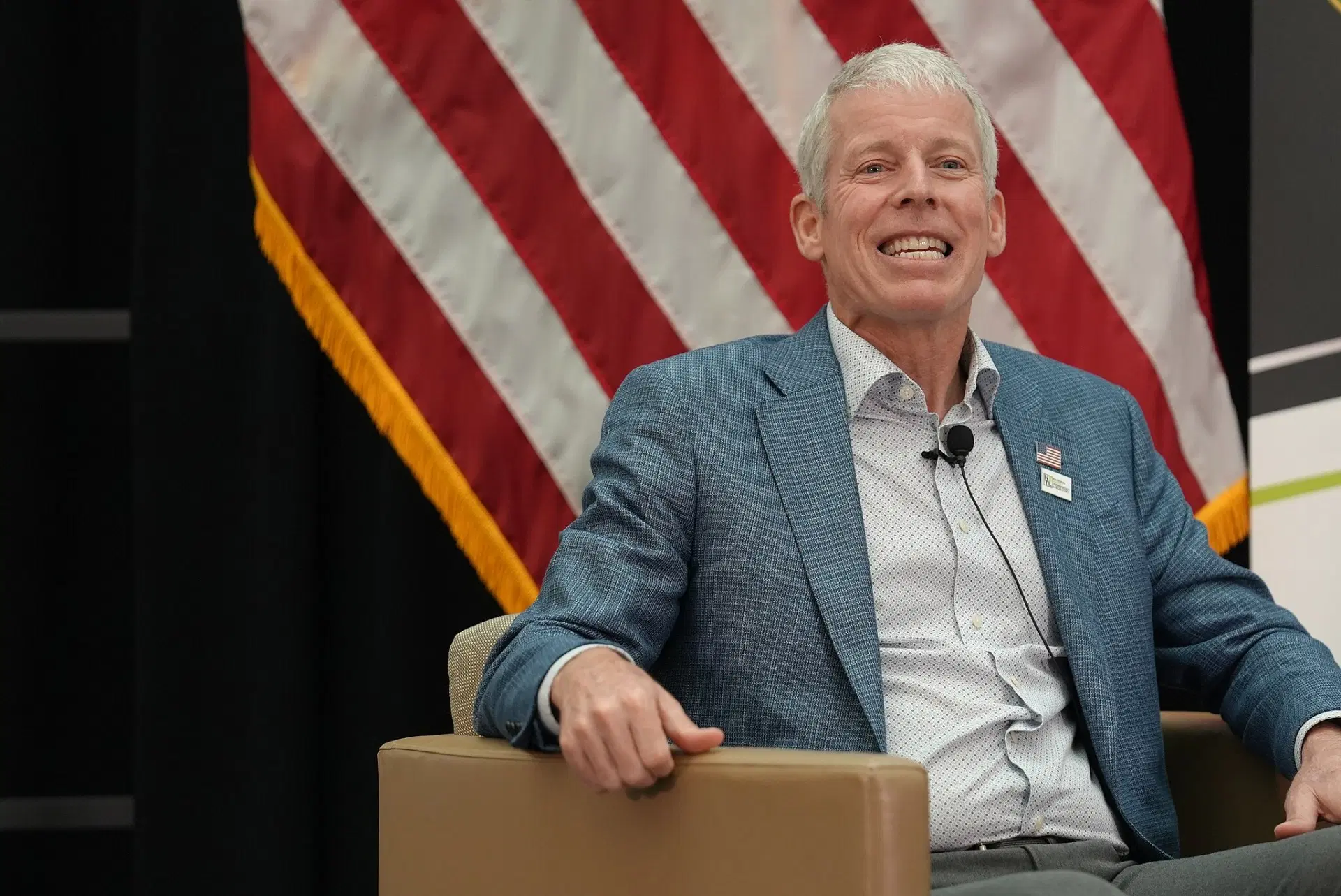
Photo: Impakter
Renewed Pressure on Global Energy Policy
The United States has intensified its criticism of the International Energy Agency, signaling it may reconsider its membership if the organization continues to prioritize long-term net zero policies.
Speaking at a ministerial gathering in Paris, U.S. Energy Secretary Chris Wright said Washington intends to push the agency to rethink its strategic direction over the coming year. He emphasized that while a withdrawal is not the preferred outcome, it remains a possibility if reforms fail to materialize.
Clash Over Net Zero Strategy
At the center of the dispute is the agency’s continued alignment with global decarbonization pathways tied to the Paris Agreement, which aims to balance greenhouse gas emissions with removals later this century.
U.S. officials argue that some long-term projections tied to the net zero framework underestimate future energy demand and risk discouraging investment in conventional fuels that still account for the majority of global consumption.
Wright characterized the debate as a fundamental disagreement over how quickly the global energy system can realistically transition, suggesting the U.S. would use its influence to push for a more diversified outlook.
Strategic Concerns About Global Influence
Despite the tough rhetoric, U.S. officials acknowledge that leaving the agency could carry geopolitical risks. Wright noted that a U.S. withdrawal might open the door for countries such as China to exert greater influence within the organization, potentially reshaping its priorities and governance.
The IEA, founded in 1974 to coordinate oil supply security among advanced economies, has evolved into a central hub for energy data, policy analysis, and long-term market forecasts — making its leadership and membership composition strategically significant.
Long-Running Tensions With Producers
Tensions between the agency and major oil producers have been building for several years. The IEA’s earlier projections that global oil demand could peak around the end of this decade drew sharp criticism from OPEC and other industry stakeholders, who argued the outlook risked discouraging investment and destabilizing markets.
More recently, the agency has adjusted its tone, acknowledging scenarios where demand growth could persist longer than previously expected, reflecting uncertainty around technology adoption, policy timelines, and emerging-market consumption trends.
Climate Targets Versus Energy Security
Scientists widely emphasize the importance of limiting global warming to around 1.5°C above pre-industrial levels to reduce the risk of severe climate impacts. That benchmark has become a guiding reference for policymakers and institutions worldwide, including the IEA’s scenario modeling.
However, governments continue to face the challenge of balancing emissions reduction with energy affordability and reliability — particularly as demand rises in developing economies and geopolitical tensions reshape supply chains.
What the Standoff Means Going Forward
The renewed U.S. pressure underscores a broader debate about the future role of global energy institutions. If negotiations lead to policy adjustments, the episode could reshape how the IEA frames long-term scenarios and interacts with member countries.
If tensions escalate instead, a potential U.S. departure would mark one of the most significant shifts in international energy cooperation in decades, with implications for market transparency, strategic reserves coordination, and the global transition roadmap.
.webp)
Popular articles



Subscribe to unlock premium content
Chile’s Desert Skies Are Becoming the World’s Most Exclusive Destination
The Rise of Heritage Manor Stays in the United Kingdom Countryside

H&M’s Circular Fashion Model Is Redefining Fast Fashion’s Future

Chile’s Desert Skies Are Becoming the World’s Most Exclusive Destination
The Rise of Heritage Manor Stays in the United Kingdom Countryside
Chile’s Desert Skies Are Becoming the World’s Most Exclusive Destination