U.S. Shutdown Risk Intensifies as Senate Standoff Over DHS Funding Deepens After Minnesota Shooting

U.S. Shutdown Risk Intensifies as Senate Standoff Over DHS Funding Deepens After Minnesota Shooting
By
Calder Monroe
Last updated:
January 26, 2026
First Published:
January 26, 2026

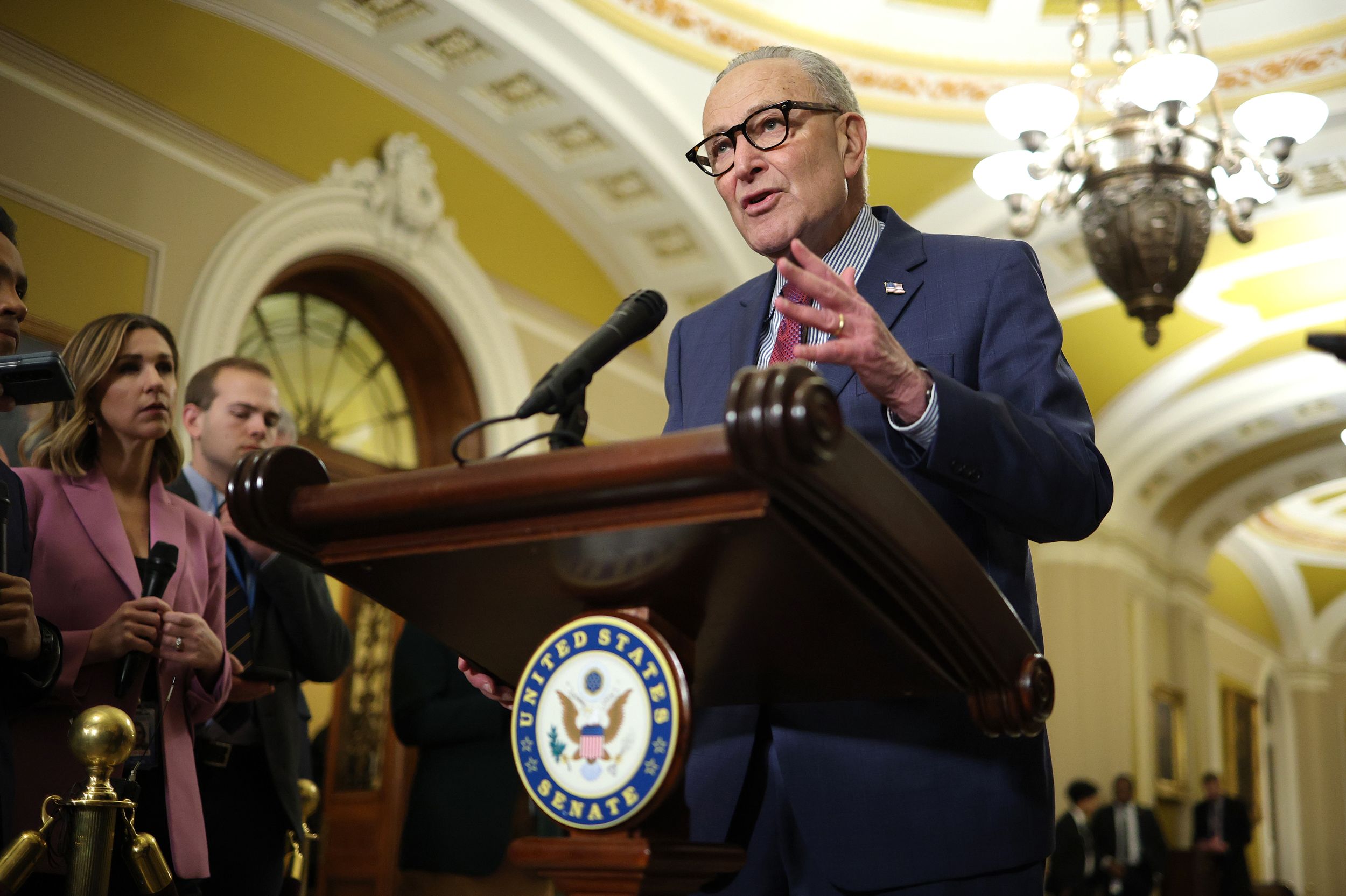
Photo: CNN
The United States is edging closer to a partial government shutdown as Senate Republicans and Democrats clash over whether funding for the Department of Homeland Security should remain in a sweeping $1.2 trillion federal spending package.
Large portions of the federal government are set to shut down on Friday unless the Senate approves the bill before the deadline. The dispute has been reignited by the fatal shooting of Alex Pretti, a 37-year-old U.S. citizen and intensive care nurse, by federal immigration agents in Minneapolis on Saturday. Pretti is the second American killed by federal authorities in Minnesota this month, intensifying pressure on lawmakers to reconsider continued funding for immigration enforcement agencies.
Despite growing outrage among Democrats, Senate Republican leadership has made clear they will not remove DHS funding from the package.
A source familiar with Republican strategy said leadership intends to proceed with the bill as written, stressing that the party wants to avoid another shutdown and is hoping Democrats will ultimately provide the votes needed to pass it.
A $1.2 Trillion Vote With High Stakes
The House of Representatives approved the funding package last week, sending it to the Senate with only days remaining before government funding expires. The legislation covers operations for multiple departments, including Defense, Homeland Security, Health and Human Services, Labor, Housing and Urban Development, Transportation, Education, State, and Treasury.
In the Senate, the bill requires 60 votes to overcome a filibuster. Republicans hold a 53–47 majority, meaning at least seven Democrats must support the measure for it to pass.
Democratic leaders, however, say they will not back the bill if it continues to fund DHS without reforms or accountability measures.
Senate Minority Leader Chuck Schumer said Democrats cannot move forward while federal agencies responsible for immigration enforcement face allegations of deadly misconduct.
He pointed to the killings of Pretti and Renee Good, another Minneapolis resident fatally shot by an ICE officer earlier this month, as evidence of systemic failures that demand immediate action.
Several Democratic senators echoed that position, arguing that Congress cannot approve DHS funding under current conditions.
Sen. Angus King of Maine said he could not vote for any bill that includes Immigration and Customs Enforcement funding unless DHS is separated from the broader package and subjected to renewed negotiations. King, who played a pivotal role in ending last year’s 43-day shutdown, emphasized that lawmakers still have options to avoid closing the government if Republicans agree to split the bill.
Democrats Dig In as Republicans Hold the Line
Minnesota Sen. Amy Klobuchar said she would oppose the funding measure outright, urging Republican colleagues to intervene and halt what she described as unchecked federal actions in her home state.
Sen. Patty Murray of Washington, the top Democrat on the Senate Appropriations Committee, also announced she would vote against the package if DHS remains included. Murray has called for the Homeland Security portion to be carved out so lawmakers can separately debate oversight, accountability, and operational limits.
She warned earlier that expecting a shutdown to rein in federal agencies is unrealistic, but stressed that continued funding without reform sends the wrong signal.
Several Democrats who previously voted with Republicans to reopen the government during last year’s record shutdown have now signaled they will not do so again under these circumstances. Sen. Catherine Cortez Masto of Nevada, who helped end the prior impasse, said she will oppose the current DHS funding and urged Congress to pass the remaining bipartisan bills while continuing negotiations over Homeland Security.
House Democrats had already expressed concerns about the package even before the Minnesota shootings, citing provisions affecting healthcare, education, housing, and labor programs. The DHS controversy has only hardened opposition.
Logistics Complicate an Already Tight Timeline
Even if Senate leaders reach a compromise, procedural hurdles remain. Any changes made by the Senate would require House approval, meaning lawmakers would have to return from a pre-scheduled recess to vote again before Friday’s deadline. It remains unclear whether House Republican leadership would recall members or support splitting the legislation.
Adding to the pressure, a major snowstorm across Washington, D.C., and large parts of the country forced the Senate to cancel votes on Monday, compressing an already narrow window for negotiations.
While DHS could potentially rely on previously allocated funds to maintain limited operations during a shutdown, that option is uncertain and would not prevent widespread disruptions across other federal agencies.
Shutdown Could Ripple Across the Economy
A partial shutdown would affect hundreds of thousands of federal workers, delay government services, and disrupt everything from airport security staffing to housing assistance and small business loans. Economists estimate that each week of a shutdown can shave billions of dollars off GDP, while also undermining consumer confidence and financial market stability.
The last shutdown, which lasted 43 days, became the longest in U.S. history and left lasting scars on federal agencies and contractors. Many lawmakers fear a repeat could further strain an economy already grappling with inflation, high interest rates, and geopolitical uncertainty.
For now, both sides remain entrenched.
Republicans insist the full funding package must move forward intact. Democrats say DHS funding must be separated and reworked before they will cooperate.
With the Friday deadline fast approaching and political tensions running high, the prospect of a partial government shutdown is growing by the hour, leaving federal workers, businesses, and millions of Americans waiting to see whether Washington can once again pull back from the brink.
.webp)
Popular articles



Subscribe to unlock premium content
Rooftop Mushrooms Redefining Urban Gourmet

Threads of Luxury from India

Neighborhood Flavor Revolution in Lagos

Rooftop Mushrooms Redefining Urban Gourmet
Threads of Luxury from India
Rooftop Mushrooms Redefining Urban Gourmet