U.S. Grants India Temporary Clearance to Buy Russian Oil Amid Global Supply Shock

U.S. Grants India Temporary Clearance to Buy Russian Oil Amid Global Supply Shock
By
David Goldfarb
Last updated:
March 6, 2026
First Published:
April 25, 2026

Washington Allows Limited Russian Oil Purchases by India
The United States has granted India a temporary 30-day waiver allowing the country to resume limited purchases of Russian crude oil, a move designed to stabilize global energy markets as escalating conflict in the Middle East threatens supply routes.
The decision marks a notable shift in Washington’s stance after months of pressure on New Delhi to reduce reliance on Russian oil imports. The waiver comes as energy markets react to severe disruptions linked to the ongoing conflict involving Iran and heightened security risks in the Persian Gulf.
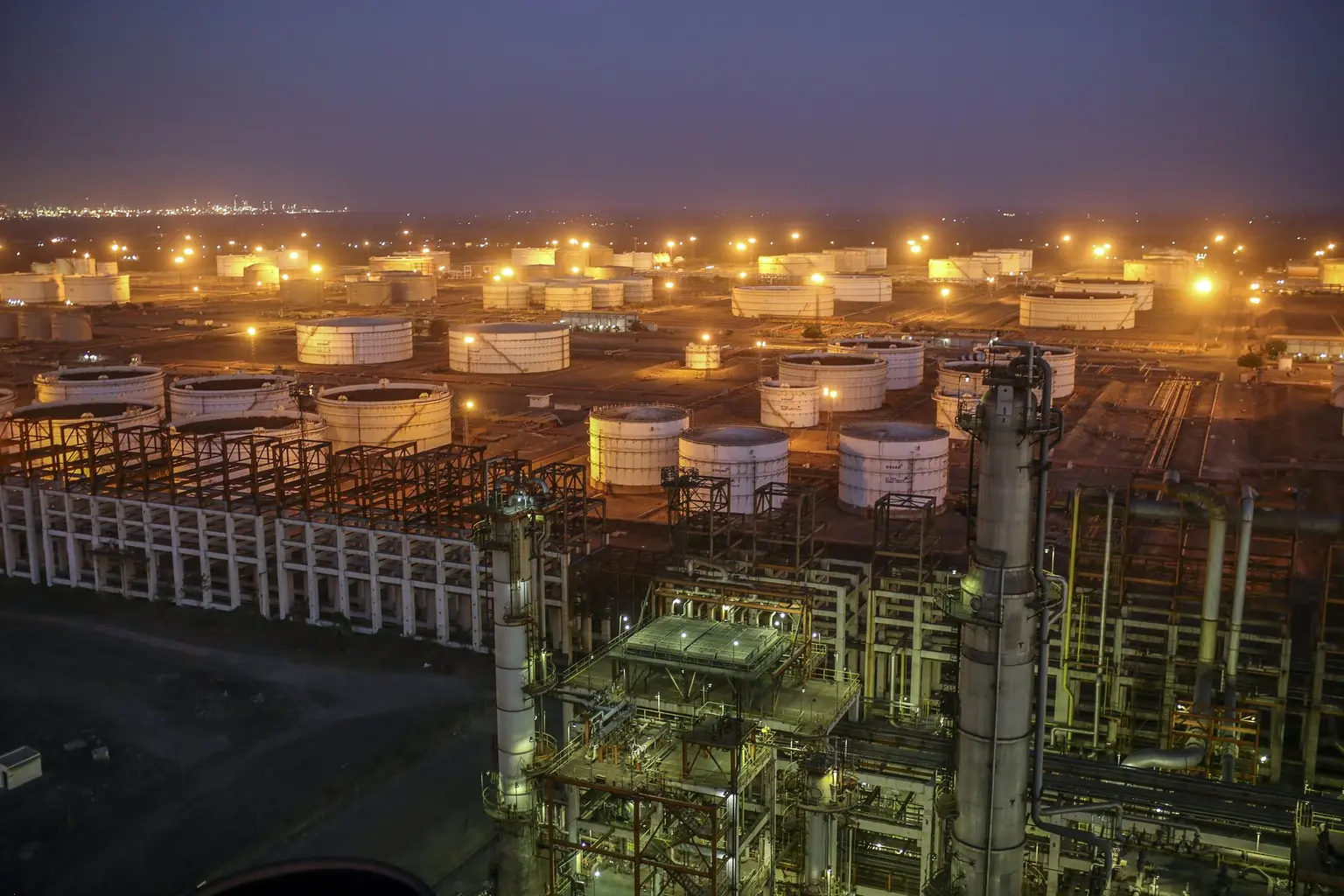
India, the world’s third-largest oil importer and one of the largest refining hubs, plays a critical role in global fuel markets. The country processes massive volumes of crude and exports refined petroleum products such as diesel, gasoline, and aviation fuel to markets across Asia, Europe, and Africa.
Allowing India temporary access to Russian crude is widely viewed as an attempt to prevent a deeper supply crunch that could drive oil prices significantly higher worldwide.
Oil Prices Surge as Global Markets React
Energy markets have already shown sharp volatility as traders react to the possibility of supply disruptions across the Gulf region.
West Texas Intermediate crude jumped 8.51 percent, rising $6.35 to close at $81.01 per barrel in one of the largest single-day increases since May 2020. The global benchmark Brent crude also surged, climbing nearly 5 percent to settle at $85.41 per barrel.
Although prices pulled back slightly the following day, Brent was still trading around $84.42 while WTI hovered close to $79.92 per barrel, highlighting the continued tension in global oil markets.
The surge reflects concerns that the conflict could disrupt shipments from some of the world’s most important oil-producing countries, including Saudi Arabia, Iraq, Kuwait, and the United Arab Emirates.
Together, Gulf producers supply roughly 20 million barrels of crude oil per day to international markets, making the region central to global energy security.
India Moves to Secure Alternative Oil Supplies
In recent months, India had been gradually reducing its purchases of Russian crude following pressure from Western governments and the threat of trade penalties.
Instead, refiners had increasingly turned to suppliers in the Middle East to replace Russian barrels. However, the latest regional conflict has complicated that strategy by threatening key shipping routes and raising the cost of maritime insurance for oil tankers operating in the area.
As a result, Indian refiners have begun actively searching for additional Russian cargoes to ensure adequate supply in the short term.
Market data suggests that Indian buyers may have secured between 6 million and 8 million barrels of Russian crude within just a few days after the waiver was announced. These purchases are largely focused on cargoes already moving through global shipping routes rather than new long-term supply contracts.
U.S. Treasury Secretary Scott Bessant said the temporary authorization primarily covers oil shipments that were already in transit or stranded at sea, limiting the potential financial benefit to Moscow.
U.S. Takes Steps to Contain Oil Price Surge
Washington is simultaneously introducing other measures aimed at calming global oil markets.
Among the most significant initiatives is the provision of political risk insurance for oil tankers traveling through the Gulf. The program is intended to reduce the steep insurance premiums that shipping companies face when operating in conflict zones.
Insurance costs for vessels transiting the region have surged dramatically in recent weeks, in some cases increasing by more than 300 percent as insurers assess the risk of missile or drone attacks.
The United States hopes that providing financial protection to shipping companies will help restore tanker traffic and maintain the flow of crude through critical maritime corridors.
President Donald Trump said the administration is prepared to take additional steps if necessary to prevent a prolonged energy crisis.
He noted that stabilizing oil markets remains a top priority while broader efforts continue to address the regional conflict.
Strait of Hormuz Disruption Raises Global Alarm
One of the biggest concerns for energy markets remains the Strait of Hormuz, the narrow waterway connecting the Persian Gulf to the open ocean.
Roughly 20 percent of the world’s oil supply moves through this shipping route every day, making it one of the most strategically important chokepoints in global trade.
Following threats from Iran and rising insurance costs, tanker traffic through the strait has slowed dramatically. Shipping data indicates that several vessels carrying crude have halted movement or rerouted to avoid the area.
Energy analysts say that since last weekend, no fully loaded crude tankers have completed a transit through the strait, raising fears that supply shortages could intensify if the situation continues.
Any prolonged closure or disruption of the route could remove millions of barrels per day from global markets almost immediately.
India’s Strategic Oil Reserves Provide Short-Term Cushion
Despite the uncertainty, India currently holds substantial crude reserves that can help cushion the immediate impact of supply disruptions.
Energy research firms estimate that India has access to around 100 million barrels of crude stored across strategic reserves and commercial storage facilities.
At current consumption levels, this stockpile could cover approximately 40 to 45 days of domestic demand.
Analysts say that Indian refineries are unlikely to face operational disruptions for at least the next three to four weeks. However, concerns would grow rapidly if Middle East supply routes remain constrained beyond that timeframe.
India consumes more than 5 million barrels of oil per day, making energy security a major economic priority for the country.
Limited Alternatives for Indian Refiners
While India can source crude from other countries such as the United States, West Africa, or Venezuela, these alternatives present logistical challenges.
Oil shipments from Latin America or the U.S. Gulf Coast can take nearly a month to reach Indian ports, significantly longer than cargoes arriving from the Middle East or Russia.
Additionally, some crude grades are less suitable for India’s refining infrastructure, which has been optimized to process certain blends.
These factors mean that Russian oil continues to play a crucial role in India’s energy mix, particularly during periods of supply instability.
Trade Tensions Between Washington and New Delhi
The waiver also follows a period of strained trade relations between the United States and India over energy purchases.
Last year, Washington imposed a 50 percent tariff on certain Indian goods, including a 25 percent penalty tied specifically to New Delhi’s continued imports of Russian crude.
Those punitive measures were removed last month after India agreed to reduce purchases from Moscow and expand imports of American energy products.
However, U.S. officials have warned that the tariffs could be reinstated if India significantly increases its purchases of Russian oil again.
For now, the temporary waiver provides New Delhi with breathing room as it navigates a rapidly evolving global energy landscape.
Outlook for Global Oil Markets
Energy analysts expect oil prices to remain volatile in the coming weeks as traders monitor developments in the Middle East and shipping activity in the Strait of Hormuz.
Some experts believe Brent crude could move well above $90 per barrel if supply disruptions worsen or tanker traffic remains stalled.
While the U.S. waiver for India may ease short-term pressure on global supply chains, it is widely seen as a temporary measure rather than a long-term solution.
The broader stability of global energy markets will ultimately depend on whether geopolitical tensions in the region escalate further or begin to ease.
.webp)
Popular articles



Subscribe to unlock premium content
The Market for Renting Private Libraries Where Only Rare, Unpublished Manuscripts Exist

Living Underwater in the Heart of the City

Frozen Luxury in Europe

The Market for Renting Private Libraries Where Only Rare, Unpublished Manuscripts Exist
Living Underwater in the Heart of the City
The Market for Renting Private Libraries Where Only Rare, Unpublished Manuscripts Exist