U.S. Democrats Urge White House to Cancel Russian Oil Waiver to India

U.S. Democrats Urge White House to Cancel Russian Oil Waiver to India
By
Rachel Steinberg
Last updated:
March 10, 2026
First Published:
April 25, 2026


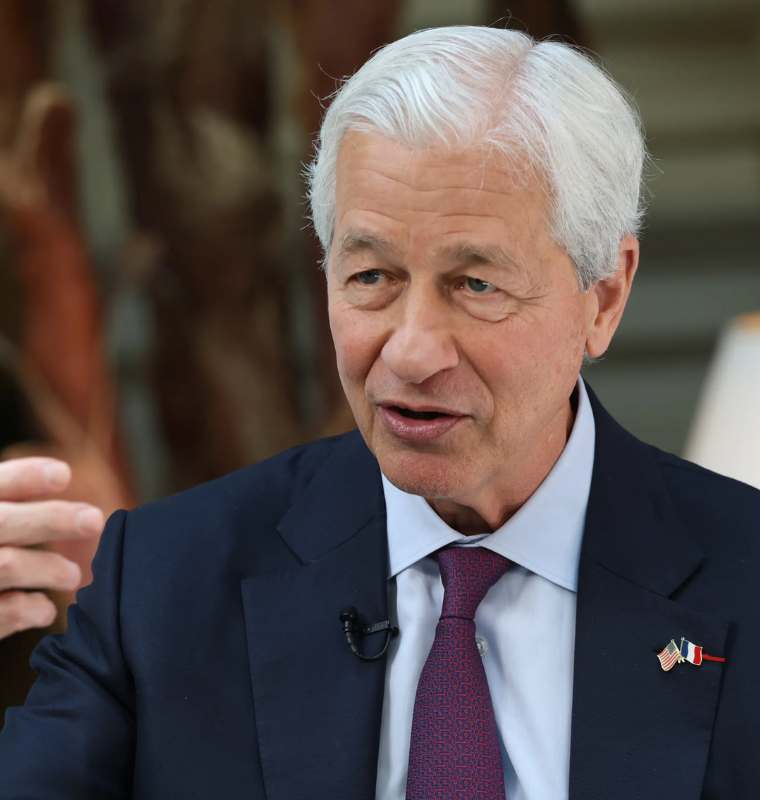
U.S. Sen. Ruben Gallego (D–AZ) speaks during the "People's State of the Union" event ahead of U.S. President Trump's State of the Union address in Washington, D.C., U.S., Feb. 24, 2026.
Elizabeth Frantz | Reuters
Political Pressure Mounts Over Russian Oil Waiver
Two prominent Democratic lawmakers are pressing the Trump administration to immediately reverse a temporary decision allowing Indian refiners to purchase sanctioned Russian oil, arguing the move weakens U.S. sanctions and indirectly benefits Moscow during a period of heightened geopolitical tensions.
Representative Sam Liccardo of California and Senator Ruben Gallego of Arizona sent a formal letter to Treasury Secretary Scott Bessent, criticizing the administration’s decision to issue a 30-day sanctions waiver permitting the sale of Russian crude to India.
The lawmakers warned that the policy could generate financial benefits for Russia at a time when the Kremlin is accused of supporting Iran during the escalating conflict in the Middle East.
In their letter, the lawmakers argued that the waiver sends the wrong signal during a global crisis and could undermine the broader sanctions framework that the United States and its allies have used to limit Russian energy revenues since the invasion of Ukraine.
Energy Crisis Intensifies Amid Iran Conflict
The debate over Russian oil exports is unfolding against the backdrop of a major disruption in global energy markets triggered by the war involving Iran.
Military strikes in the region and heightened tensions in the Persian Gulf have significantly disrupted shipping routes, particularly around the Strait of Hormuz, one of the world’s most strategically important energy corridors.
Approximately 20 percent of the world’s oil and natural gas shipments normally pass through the narrow waterway, making any disruption there a major risk for global energy supply chains.
Since the conflict began, congestion, security concerns, and naval operations have caused tanker traffic to slow dramatically. The resulting supply fears have pushed energy prices sharply higher.
U.S. crude oil prices recently surged above $108 per barrel, while the global Brent benchmark approached $110 per barrel, levels not seen in months. The rapid rise in oil prices has also affected consumers, with average U.S. gasoline prices climbing to around $3.44 per gallon, according to fuel tracking services.
Treasury Waiver Aimed at Stabilizing Oil Markets
Facing surging energy prices and tightening global supply, the U.S. Treasury Department issued a temporary exemption allowing Indian refiners to purchase Russian oil shipments that were already in transit or stranded at sea due to existing sanctions.
Officials described the measure as a short-term solution designed to prevent further price spikes while global markets adjust to the supply shock created by the conflict.
Millions of barrels of Russian crude have reportedly been sitting on tankers due to sanctions imposed after Russia’s invasion of Ukraine. Allowing those shipments to be delivered could temporarily ease supply shortages, particularly in Asia where India has become one of the largest buyers of discounted Russian oil.
The waiver is scheduled to last 30 days, after which the administration will reassess the policy depending on developments in the Middle East and global energy markets.
Lawmakers Warn of Strategic Consequences
Despite the economic rationale, Democratic lawmakers argue that the waiver risks undermining U.S. geopolitical objectives.
Liccardo and Gallego contend that allowing sanctioned Russian oil to enter global markets could provide Moscow with a financial windfall while the country is accused of assisting Iran’s military operations.
Reports have suggested that Russia may have helped Iran locate or target U.S. ships, aircraft, and military bases in the Middle East, though some officials say those claims remain unconfirmed.
The lawmakers argued that easing sanctions at such a moment could weaken deterrence and signal that adversaries can profit from geopolitical instability.
They also criticized the administration for failing to develop alternative energy supply strategies that could help allies like India secure oil without relying on Russian exports.
Oil Prices Become a Political Flashpoint
The energy price surge has added another layer of political tension ahead of the U.S. midterm elections in November.
With fewer than eight months remaining before voters head to the polls, rising gasoline prices and inflation concerns are becoming major issues for American households.
President Donald Trump, who returned to office in 2025, campaigned on lowering energy costs and reducing inflation. However, recent polling has shown declining public approval ratings for the administration’s handling of the economy.
Both parties are now competing to position themselves as better equipped to address rising living costs, particularly as energy prices ripple through the broader economy.
Higher fuel costs can increase transportation expenses, raise food prices, and place additional pressure on household budgets already strained by inflation.
Administration Defends Decision as Short-Term Measure
Officials within the administration have defended the temporary waiver as a pragmatic response to an extraordinary situation.
Energy Secretary Chris Wright said the move was designed to stabilize global oil markets during a period of intense volatility. By allowing certain Russian oil shipments to reach India rather than being diverted elsewhere, the administration hopes to prevent further disruptions that could push prices even higher.
According to Wright, the policy could also prevent additional barrels from being redirected to China, which has continued purchasing Russian energy despite Western sanctions.
Administration officials emphasize that the waiver applies only to oil already loaded onto ships and exported from Russia before the decision was announced.
They argue that most Russian government revenue from energy comes from taxes collected during oil extraction rather than from the final sale of shipments already at sea.
Because of that structure, officials claim the waiver is unlikely to significantly boost Russian government income.
Questions Remain About Long-Term Policy
Despite those assurances, lawmakers are demanding greater transparency about the administration’s strategy.
Liccardo and Gallego have asked the Treasury Department whether additional waivers could be issued if shipping disruptions in the Strait of Hormuz continue.
They also want clarification on whether U.S. intelligence agencies had advance knowledge of possible cooperation between Russia and Iran during the conflict.
Another key question involves the administration’s broader energy contingency planning before launching military operations related to the Iran conflict.
The lawmakers argue that stronger coordination with international allies could have helped maintain global energy stability without compromising sanctions policy.
Global Energy Markets Face Continued Uncertainty
For now, the global oil market remains highly volatile.
If shipping through the Strait of Hormuz remains disrupted or military tensions escalate further, energy prices could rise even more sharply in the coming weeks.
At the same time, decisions about sanctions enforcement and emergency energy policies will continue to shape the global oil supply balance.
The debate over Russian oil exports to India illustrates the difficult choices governments face when geopolitical conflicts collide with economic stability.
Balancing sanctions pressure against the need to keep global energy markets functioning has become one of the central challenges confronting policymakers during the ongoing Middle East crisis.
.webp)
Popular articles



Subscribe to unlock premium content
Remote Himalayan Villages Transforming Ancient Traditions into Lucrative Wellness Ventures
Gilded Holidays in Fashion

Frozen Frontiers of Luxury

Remote Himalayan Villages Transforming Ancient Traditions into Lucrative Wellness Ventures
Gilded Holidays in Fashion
Remote Himalayan Villages Transforming Ancient Traditions into Lucrative Wellness Ventures