U.S. Clears TSMC to Keep Shipping American Chip Tools to Its China Operations

U.S. Clears TSMC to Keep Shipping American Chip Tools to Its China Operations
By
Junia Wells
Last updated:
January 2, 2026
First Published:
January 2, 2026

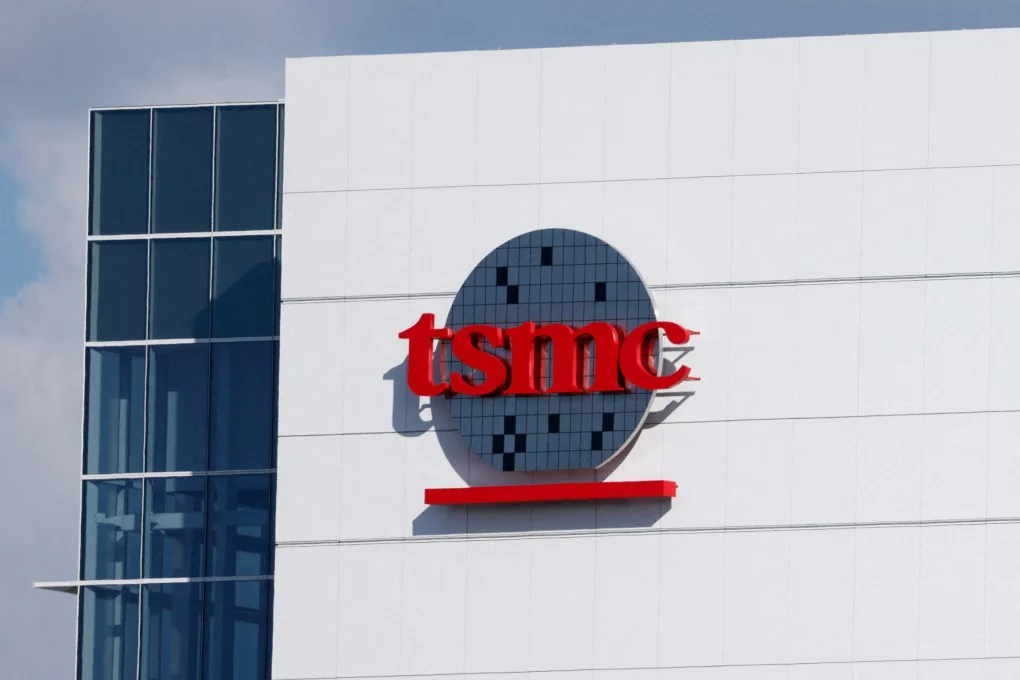
Photo: South China Morning Post
Washington Adjusts Its Approach to China-Facing Chip Operations
The U.S. government has granted Taiwan Semiconductor Manufacturing Company an annual export licence allowing it to import U.S.-made chipmaking equipment into its facilities in China, marking a key regulatory decision as Washington tightens oversight of advanced semiconductor technologies.
The approval applies to TSMC’s fabrication plant in Nanjing and enables the continued supply of U.S. export-controlled tools without the need for individual vendor licences, according to the company. The move ensures operational continuity at the site following the expiration of earlier exemptions at the end of last year.
From Blanket Exemptions to Annual Licensing
For several years, TSMC and other major Asian chipmakers benefited from special waivers under the U.S. export control regime. These privileges, known as validated end-user status, allowed companies to ship certain U.S.-origin equipment into China despite broad restrictions aimed at limiting Beijing’s access to advanced semiconductor technology.
Those exemptions expired on December 31, forcing companies operating fabs in China to seek new approvals for 2026 and beyond. The newly granted annual licence effectively replaces the old framework, but with tighter oversight and time-bound authorization.
South Korea’s Samsung Electronics and SK Hynix, which also operate semiconductor manufacturing facilities in China, have received similar approvals, highlighting a coordinated approach by U.S. regulators toward major global chip producers.
What the Licence Covers and What It Does Not
TSMC emphasized that the licence supports “uninterrupted fab operations and product deliveries,” a critical point for customers relying on steady output from the Nanjing facility. The plant primarily manufactures 16-nanometer and other mature-node chips, which are widely used in automotive components, industrial equipment, and consumer electronics.
These technologies sit well below the cutting-edge nodes that power advanced artificial intelligence and high-performance computing systems. As a result, the Nanjing operation is not considered strategically sensitive in the same way as TSMC’s most advanced fabs in Taiwan or its newer overseas investments.
TSMC also maintains a smaller chipmaking presence in Shanghai, though its China-based operations collectively represent only a modest share of the company’s global business.
Limited Revenue Exposure, High Strategic Importance
According to TSMC’s 2024 annual report, the Nanjing site accounted for approximately 2.4% of the company’s total revenue. While relatively small in financial terms, the facility plays an important role in serving regional customers and maintaining long-term commercial relationships in China, the world’s largest semiconductor market by consumption.
For TSMC, retaining operational stability in China while complying with U.S. regulations is a delicate balancing act. The annual licence provides near-term certainty but also underscores that future access to U.S. technology will remain subject to ongoing political and regulatory scrutiny.
Broader Implications for the Global Chip Industry
The decision reflects a more nuanced U.S. strategy that distinguishes between advanced and mature semiconductor manufacturing. Rather than imposing a blanket ban, regulators appear focused on preventing China’s access to leading-edge technologies while allowing limited continuity for legacy production that supports global supply chains.
For multinational chipmakers, the shift from open-ended exemptions to renewable licences introduces an additional layer of risk and planning complexity. Companies will need to factor regulatory renewals into long-term capacity decisions, particularly as geopolitical tensions continue to shape the semiconductor industry.
Looking Ahead
While the licence secures TSMC’s China operations for the coming year, it does not signal a loosening of U.S. policy overall. Instead, it highlights a controlled, case-by-case approach that keeps pressure on China’s technological ambitions while avoiding sudden disruptions to global electronics manufacturing.
For investors and industry watchers, the message is clear: regulatory approval, not just technological leadership, is now a core variable in the future of the global semiconductor supply chain.
.webp)
Popular articles



Subscribe to unlock premium content
Iceland’s Geothermal Revolution

Bali’s Digital Detox Revolution

Step Into the Future of Art

Iceland’s Geothermal Revolution
Bali’s Digital Detox Revolution
Iceland’s Geothermal Revolution