U.S. Action in Venezuela Redraws the Risk Map for Guyana’s Oil Boom

U.S. Action in Venezuela Redraws the Risk Map for Guyana’s Oil Boom
By
Rachel Steinberg
Last updated:
January 13, 2026
First Published:
January 13, 2026

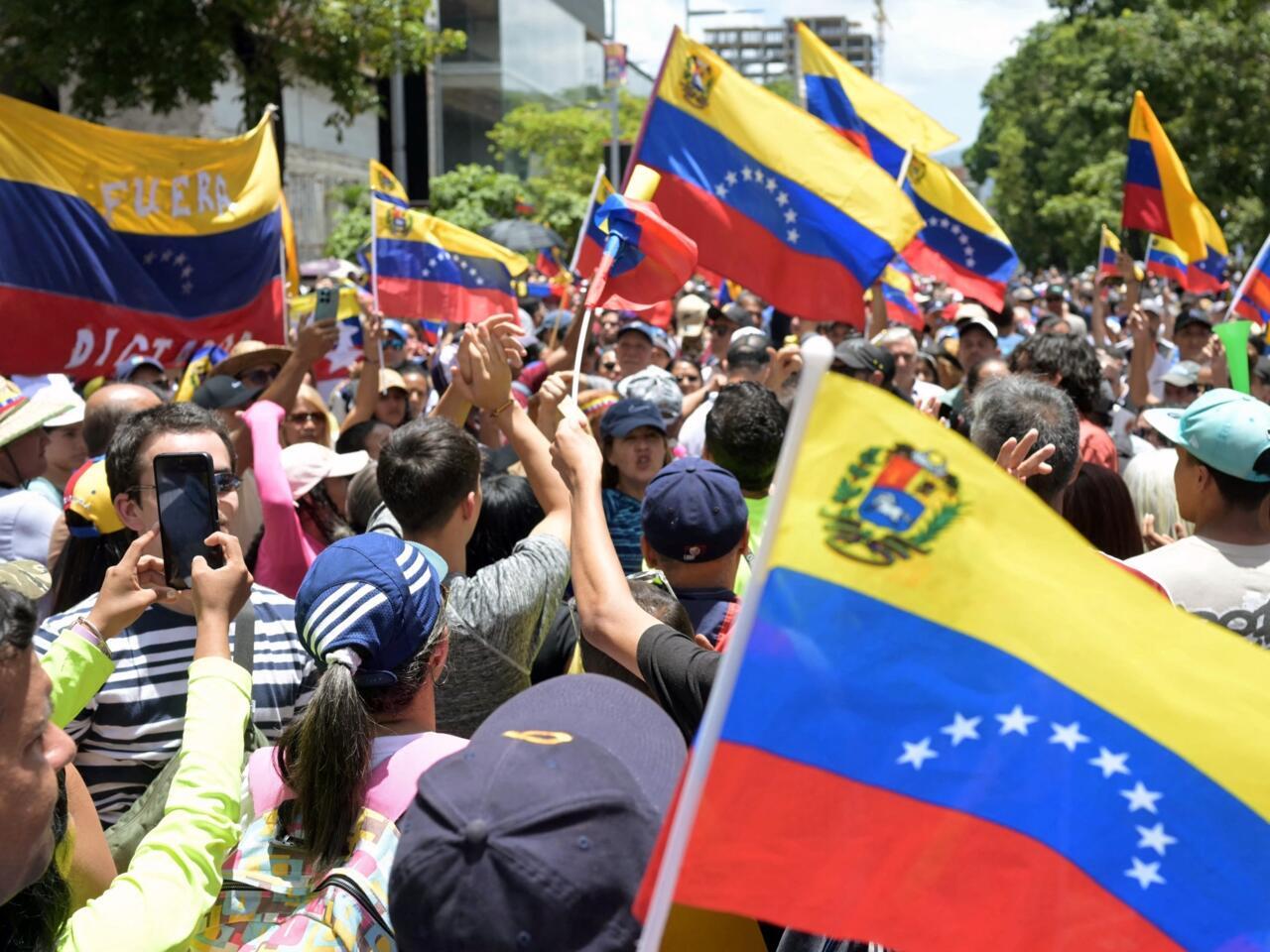
Photo: France 24
A Shock That Reshapes Regional Risk
The Trump administration’s military intervention in Venezuela is expected to significantly alter geopolitical risk across northern South America, with immediate implications for Guyana’s rapidly expanding oil sector. Analysts say the U.S. operation has effectively frozen Venezuela’s long-running territorial claims over the Essequibo region, an outcome that offers near-term relief to Guyana and the international energy companies operating off its coast.
The January 3 operation to remove Venezuelan President Nicolás Maduro and his wife, Cilia Flores, sent diplomatic shockwaves worldwide. While critics labeled the move a breach of international law, President Donald Trump dismissed those concerns publicly, signaling a willingness to prioritize U.S. strategic and energy interests over multilateral norms.
Why Essequibo Matters
Essequibo is central to Guyana’s economic transformation. The disputed territory accounts for roughly two-thirds of Guyana’s landmass and is rich in gold, diamonds, timber, and—most critically—offshore oil reserves. Since Exxon Mobil’s landmark discovery in 2015, Guyana has emerged as one of the most important new oil provinces globally.
That discovery revealed billions of barrels of recoverable, high-quality crude, turning a country of just 830,000 people into the world’s fastest-growing economy in recent years. Oil production has surged past hundreds of thousands of barrels per day, with output expected to continue rising as new projects come online.
Relief for Energy Majors
For energy companies operating offshore Guyana, the U.S. intervention has reduced a persistent geopolitical overhang. Exxon Mobil, Chevron, and China’s CNOOC all have major stakes in Guyana’s offshore developments, which involve multi-billion-dollar floating production, storage, and offloading vessels.
Risk analysts say the presence of U.S. naval assets in the region lowers the probability of Venezuelan interference with offshore operations, shipping lanes, and logistics. The dispute had long been a background concern for operators managing some of the most capital-intensive energy infrastructure in the world.
At the same time, Trump has been vocal about encouraging American oil companies to invest heavily in Venezuela itself, arguing that a strong U.S. security presence would safeguard future investments and stabilize production in one of the world’s largest proven crude reserves.
A Dispute Older Than Guyana’s Oil Boom
Venezuela’s claim over Essequibo predates Guyana’s oil wealth by more than a century. In 1899, an international arbitral tribunal awarded the territory to Britain, then Guyana’s colonial ruler. Venezuela has contested that ruling ever since, arguing it was unfair and illegitimate.
In recent years, Maduro escalated rhetoric around Essequibo, accusing Guyana, the United States, and international oil companies of exploiting Venezuelan territory through what he called “legal colonialism.” In 2018, Guyana asked the International Court of Justice to affirm the validity of the 1899 ruling. The ICJ later issued binding orders restricting Venezuelan actions in the region, which Caracas rejected outright, refusing to recognize the court’s jurisdiction.
Rising Tensions Before the Intervention
Tensions peaked in late 2023 when Venezuela held a referendum asserting sovereignty over Essequibo, raising fears of annexation or military escalation. Markets and investors viewed the move as largely symbolic, but the risk of miscalculation remained a concern.
Equity analysts have long argued that any direct Venezuelan action against Guyana or Exxon Mobil would almost certainly provoke a U.S. response. With Venezuela already under heavy U.S. pressure, the likelihood of escalation was seen as low even before the January intervention.
Now, with Washington exerting direct control over events in Venezuela, analysts say the threat has moved even further down the risk spectrum, removing what many in the industry viewed as a persistent nuisance rather than an imminent danger.
Deepening U.S.-Guyana Security Ties
In the days following the operation, U.S. officials moved quickly to reassure Georgetown. Secretary of State Marco Rubio spoke with Guyanese President Irfaan Ali to reinforce bilateral security cooperation and reaffirm U.S. support for Guyana’s sovereignty and territorial integrity.
Guyana’s government welcomed the message, emphasizing its commitment to working closely with Washington as a strategic security partner. For a small country managing an oil boom of global significance, U.S. backing provides both political cover and investor confidence.
Temporary Pause, Not a Permanent Resolution
Despite the immediate calm, analysts caution that the Essequibo dispute is unlikely to disappear entirely. Venezuela’s claim is deeply embedded in its national narrative, and future governments could revive the issue once external pressure eases.
For now, however, Caracas faces intense scrutiny and limited capacity to project power beyond its borders. That reality has bought Guyana time—time to expand production, strengthen institutions, and lock in its position as a major energy supplier.
In the short term, Trump’s intervention has shifted the balance decisively in Guyana’s favor. In the long term, the durability of that shift will depend on regional politics, global energy markets, and whether diplomatic solutions eventually replace military deterrence.
.webp)
Popular articles



Subscribe to unlock premium content
Iceland’s Geothermal Revolution
Bali’s Digital Detox Revolution

Step Into the Future of Art

Iceland’s Geothermal Revolution
Bali’s Digital Detox Revolution
Iceland’s Geothermal Revolution