
Trump’s Investor Homebuying Crackdown Threatens to Derail Sweeping U.S. Housing Reform

Trump’s Investor Homebuying Crackdown Threatens to Derail Sweeping U.S. Housing Reform
By
Leah Rosenfeld
Last updated:
March 30, 2026
First Published:
April 25, 2026

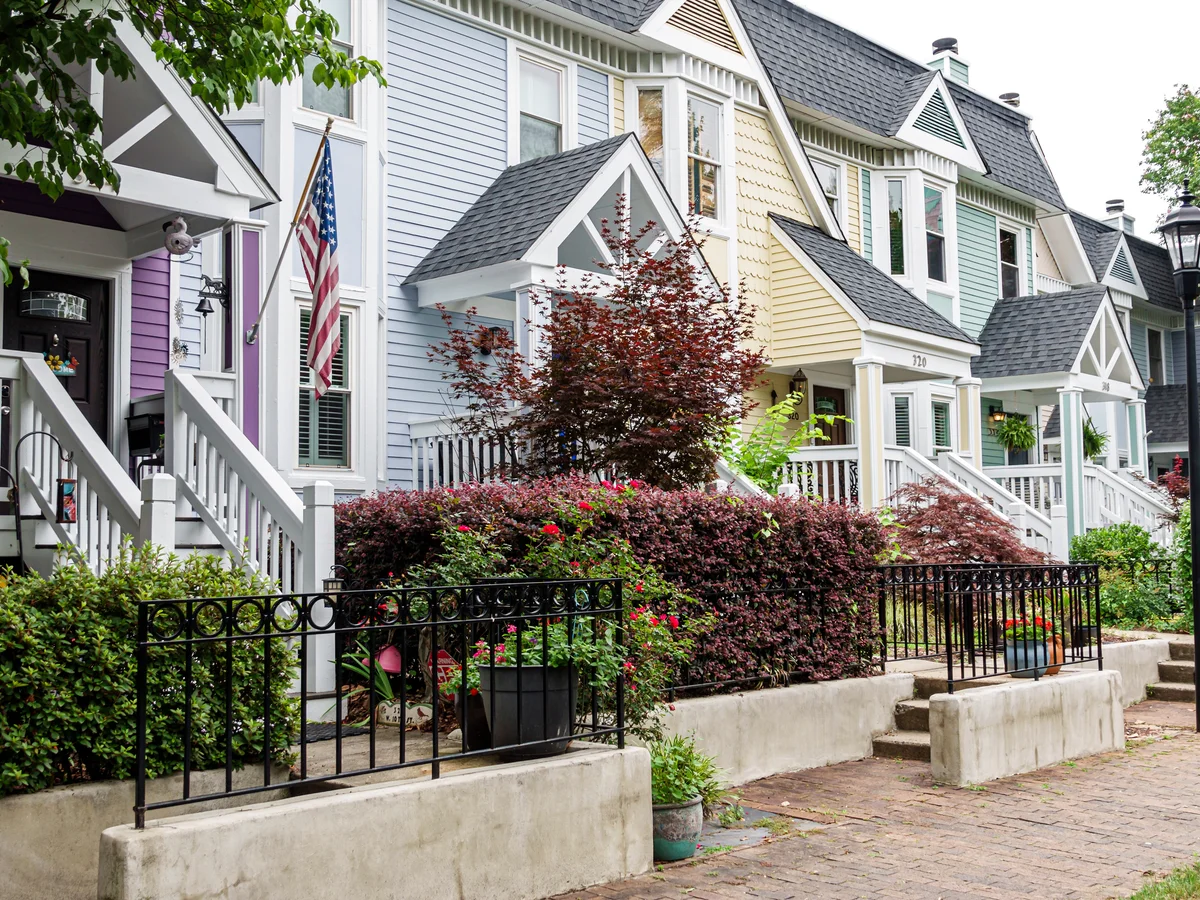
Photo: The Guardian
A landmark housing bill faces political friction
A major bipartisan effort to tackle America’s housing affordability crisis is gaining momentum in Washington, but a contentious provision targeting institutional investors could jeopardize the entire deal.
The Senate recently passed the 21st Century ROAD to Housing Act with overwhelming support in an 89–10 vote, signaling rare political alignment on a critical economic issue. The legislation includes more than 40 provisions designed to reduce housing costs, accelerate construction, and ease regulatory bottlenecks.
However, as the bill moves back to the House of Representatives, a key sticking point has emerged: whether large institutional investors should be restricted from purchasing single-family homes.
The investor ban dominates debate
At the center of the controversy is a proposal backed by President Donald Trump to limit large investors from acquiring single-family homes if they already own 350 or more properties. The measure aims to curb the growing influence of Wall Street firms in residential housing markets.
Critics argue that institutional investors have driven up home prices and reduced access for first-time buyers, turning homeownership into an increasingly distant goal. Supporters of the ban believe it could help rebalance the market in favor of individuals and families.
However, the policy includes a notable compromise. Investors would still be allowed to build and rent new homes under the build-to-rent model, provided those properties are sold to individual buyers after seven years.
Despite this concession, industry groups warn that the restriction could significantly reduce housing development. Estimates suggest that such limits could cut annual single-family home construction by as much as 40,000 units, further tightening an already constrained market.
Manufactured housing emerges as a key solution
While the investor debate dominates headlines, experts point to another, less controversial part of the bill as potentially far more impactful: the expansion of manufactured housing.
The legislation introduces sweeping reforms to modernize factory-built homes, including allowing construction without permanent chassis, increasing federal loan limits, and easing zoning restrictions. These changes are expected to unlock significant growth in a sector that has long been overlooked.
Manufactured homes, often priced far below traditional site-built houses, could play a crucial role in addressing the estimated 4 million-unit housing shortage in the United States. With median single-family home prices hovering around $400,000 and mortgage rates still above 6 percent, affordability remains a pressing issue for millions of Americans.
Industry leaders say the reforms will enable greater design flexibility, improve quality, and reduce long-standing stigma associated with “mobile homes,” making them a more attractive option for buyers.
Industry divides over factory-built housing
Not all stakeholders are aligned on the bill’s approach to factory-built housing. While manufactured housing advocates welcome the reforms, representatives of the modular home sector have raised concerns about potential market confusion.
Unlike manufactured homes, which follow a national building code, modular homes adhere to local and state regulations, often offering more design variability. Critics argue that loosening requirements for manufactured homes could blur distinctions between the two categories, potentially misleading buyers.
Despite these concerns, many experts agree that expanding factory-built housing—whether manufactured or modular—will be essential to increasing supply and lowering costs in high-demand markets.
Build-to-rent market under scrutiny
The role of institutional investors in the housing market has been a contentious issue since the aftermath of the 2008 financial crisis and the Covid-19 pandemic. During these periods, large firms invested billions into single-family homes, particularly in fast-growing states like Texas, Florida, and Arizona.
Today, single-family rentals account for roughly 31 percent of the U.S. rental market, though properties owned by large-scale investors represent less than 1 percent of total housing stock. Even so, their influence is more pronounced in specific regions and within the rapidly growing build-to-rent segment.
These developments, often concentrated in just a handful of states, have provided new housing supply but have also raised concerns about long-term affordability and ownership opportunities.
Economists warn that restricting investor activity could limit the flow of capital needed to finance large-scale housing projects, potentially slowing overall supply growth at a time when demand remains high.
Changing views on homeownership
Underlying the policy debate is a broader shift in how Americans view housing. While homeownership has traditionally been seen as a cornerstone of financial stability, recent trends suggest evolving attitudes, particularly among younger generations.
Surveys indicate that only a small percentage of renters now define the “American Dream” as owning a home. Many cite the rising costs of maintenance, taxes, and insurance as reasons for preferring rental living.
At the same time, the median age of first-time homebuyers has climbed to 40, reflecting the growing financial barriers to entry in the housing market.
Affordable housing remains a national priority
Beyond investor restrictions and factory-built housing, the bill includes several provisions aimed at supporting low-income and rural communities. These measures focus on reducing regulatory hurdles, expanding financing options, and encouraging public-private partnerships to increase housing availability.
Some initiatives could benefit up to 400,000 low-income residents in rural areas by preserving affordable housing options and providing long-term stability.
However, many of these provisions were not included in the House version of the bill, creating additional challenges for lawmakers attempting to reconcile differences between the two chambers.
Political hurdles and uncertain path forward
As negotiations continue, the future of the housing bill remains uncertain. Lawmakers must bridge significant gaps between competing priorities, including investor regulations, banking reforms, and broader economic policies.
Adding to the complexity, President Trump has signaled that he may withhold approval of the housing legislation until unrelated political measures are addressed, further complicating the legislative process.
With midterm elections approaching, both parties face mounting pressure to deliver tangible solutions to voters concerned about affordability and economic stability.
A critical moment for housing policy
The outcome of this legislative effort could shape the future of the U.S. housing market for years to come. While the bill offers a comprehensive framework to address supply shortages and affordability challenges, its success hinges on resolving key political disagreements.
At stake is not just a policy win, but the broader goal of making housing more accessible in an increasingly complex and competitive market.
.webp)
Popular articles



Subscribe to unlock premium content
AI-Curated Luxury Shopping Experiences Transform the Market

Limited-Run Anime Originals Redefining Global Entertainment

Micro-Vertical Farming Becomes Corporate Gold
.png)
AI-Curated Luxury Shopping Experiences Transform the Market
Limited-Run Anime Originals Redefining Global Entertainment
AI-Curated Luxury Shopping Experiences Transform the Market


