
Trump Unveils Immediate 25% Tariff on Countries Trading With Iran

Trump Unveils Immediate 25% Tariff on Countries Trading With Iran
By
Rachel Steinberg
Last updated:
January 13, 2026
First Published:
April 25, 2026

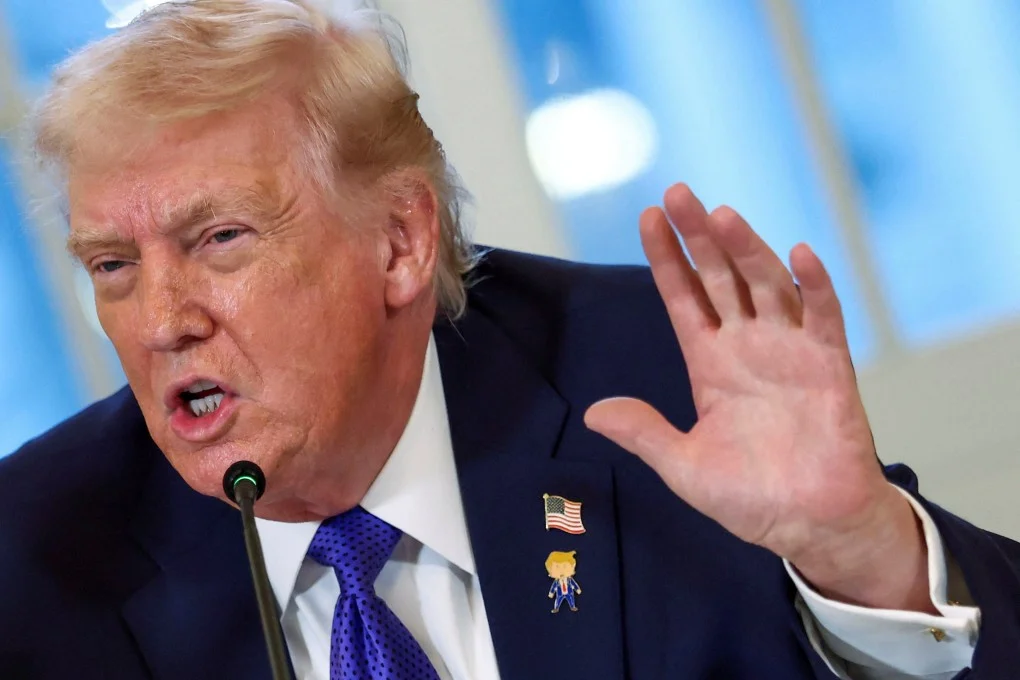
Photo: South China Morning Post
Washington Tightens the Economic Noose on Iran
President Donald Trump announced on Monday that the United States will impose a sweeping 25 percent tariff on any country that continues to do business with Iran, sharply escalating economic pressure on Tehran and its global trading partners.
In a post on his Truth Social platform, Trump said the tariff would apply to “any and all business being done with the United States of America” by countries that maintain commercial ties with Iran. He added that the measure is effective immediately.
Broad Scope and Immediate Impact
Trump characterized the decision as final, signaling little room for negotiation or exemptions. While the administration did not release formal guidance alongside the announcement, the language suggests a far reaching policy that could affect trade flows across energy, manufacturing, shipping, and financial services.
White House officials declined to provide additional clarification, leaving investors and foreign governments to assess how the tariff would be implemented and which transactions might fall under its scope.
Move Comes Amid Unrest Inside Iran
The announcement arrives as Iran faces escalating internal pressure from widespread anti government protests. Demonstrations have intensified in recent weeks, with reports indicating that dozens of protesters have been killed as security forces attempt to restore order.
Trump has openly voiced support for the protest movement and has repeatedly warned Iranian authorities that continued violence against demonstrators could prompt a U.S. response. Over the weekend, he said Iran was closer to freedom than at any point in recent history and reiterated that the United States stands ready to assist.
Oil Markets and Global Trade at Risk
Iran remains a major oil producer despite years of sanctions, and the threat of secondary tariffs could have ripple effects across global energy markets. Countries that import Iranian crude or maintain indirect trade relationships may now face difficult choices between preserving access to U.S. markets and maintaining ties with Tehran.
Analysts warn that such a policy could disrupt supply chains and raise costs for global companies, particularly if enforcement proves aggressive.
Legal Questions Hang Over Tariff Authority
The timing of the announcement is also notable, coming just ahead of a closely watched Supreme Court ruling on the legality of several of Trump’s earlier tariffs. Many of those measures, including so called reciprocal tariffs and duties linked to fentanyl trafficking concerns, were imposed under the International Emergency Economic Powers Act.
It remains unclear whether the newly announced Iran related tariffs are grounded in the same legal authority or rely on a different statutory basis. The lack of clarity adds another layer of uncertainty for businesses and governments already navigating a complex global trade environment.
Heightened Tensions and Unclear Next Steps
With limited details and immediate implementation, the policy marks one of the most aggressive economic steps taken against Iran’s international partners in recent years. As markets, allies, and adversaries assess the implications, attention is likely to turn quickly to how rigorously the tariffs will be enforced and whether exemptions or diplomatic negotiations will follow.
For now, Trump’s message is clear: continued engagement with Iran carries a significant economic cost for any country seeking access to the U.S. market.
.webp)
Popular articles



Subscribe to unlock premium content
How Finland Uses Ice Swimming Festivals to Boost Winter Tourism and Local Economies

The Boom of Luxury Personal Libraries Renting Rare Books to the Ultra-Wealthy

Why Bhutan’s Hand-Woven Textiles Are Gaining Global Collector Value

How Finland Uses Ice Swimming Festivals to Boost Winter Tourism and Local Economies
The Boom of Luxury Personal Libraries Renting Rare Books to the Ultra-Wealthy
How Finland Uses Ice Swimming Festivals to Boost Winter Tourism and Local Economies


