Trump Signals Readiness for Force Against Iran While Urging Renewed Nuclear Talks

Trump Signals Readiness for Force Against Iran While Urging Renewed Nuclear Talks
By
Calder Monroe
Last updated:
December 30, 2025
First Published:
December 30, 2025

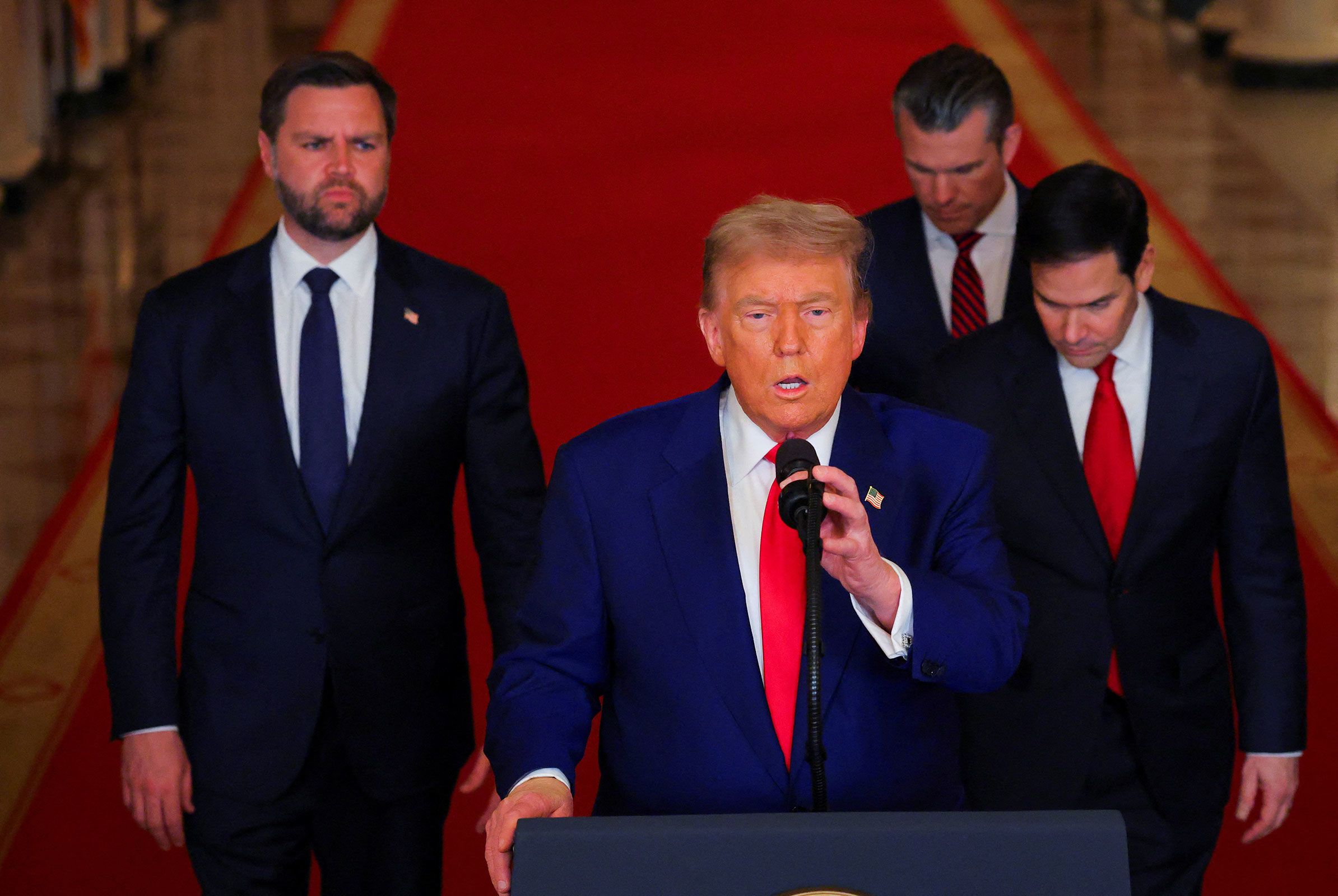
Photo: CNN
Trump Draws a Red Line on Iran’s Military Ambitions
President Donald Trump delivered a blunt warning to Iran on Monday, saying the United States would support decisive military action if Tehran attempts to rebuild its ballistic missile stockpiles or revive its nuclear weapons program. Speaking at his Mar-a-Lago resort in Florida after meeting Israeli Prime Minister Benjamin Netanyahu, Trump framed the message as both a deterrent and an invitation to negotiate.
Trump said intelligence briefings suggested Iran may be working to restore military capabilities damaged earlier this year, adding that any such move would be met with overwhelming force. At the same time, he stressed that diplomacy remains the preferred outcome if Iran is willing to return to talks.
Backing Israel While Pushing for Negotiations
Standing beside Netanyahu, Trump made clear that Washington would align closely with Israel if Iran escalates. He said U.S. support would be immediate if Iran accelerates nuclear enrichment or significantly expands missile production, calling both developments unacceptable threats to regional and global security.
However, Trump also emphasized that Iran would benefit more from reaching a deal than risking confrontation. He said renewed negotiations could provide Tehran with economic relief and long-term stability, contrasting that path with the consequences of further military escalation.
Rising Tensions After Recent Strikes
The meeting comes amid heightened concern in Israel and Washington that Iran is attempting to recover from recent setbacks. Earlier this year, Israeli airstrikes reportedly damaged key missile infrastructure, while U.S. strikes in June targeted nuclear enrichment facilities. Security officials now fear Iran may be working to restore those sites and accelerate weapons development.
When asked directly whether he would endorse Israeli strikes under those conditions, Trump responded unequivocally, signaling approval if missile production continues and even faster action if nuclear activity resumes.
Gaza Ceasefire Talks Remain Fragile
Gaza was also high on the agenda during the Trump-Netanyahu talks. The White House is pushing to advance the second phase of a ceasefire agreement between Israel and Hamas after the first phase, implemented in October, largely held.
The proposed next stage would involve Hamas disarming and Israeli forces withdrawing from parts of Gaza. Netanyahu has said this phase cannot begin until Hamas returns the remains of the final Israeli hostage. Trump echoed the urgency of moving forward but insisted that disarmament is a non-negotiable condition.
Foreign Policy Dominates Trump’s Agenda
The Iran warning is part of a broader foreign policy push by Trump in recent weeks. On Sunday, he hosted Ukrainian President Volodymyr Zelenskyy at Mar-a-Lago as the administration continues to broker talks aimed at ending the war between Ukraine and Russia. Discussions reportedly included long-term security guarantees, with proposals ranging from 15 to 50 years.
Trump also confirmed a recent call with Russian President Vladimir Putin, describing the conversation as productive while acknowledging unresolved issues that continue to delay a peace agreement.
Escalation in Venezuela
During the same wide-ranging exchange with reporters, Trump confirmed a U.S. strike on a Venezuelan drug-loading facility, marking a sharp escalation in his pressure campaign against President Nicolas Maduro. The administration recently designated Venezuela’s government a foreign terrorist organization and imposed a full blockade on sanctioned oil shipments.
Trump said the strike destroyed boats and infrastructure used to traffic narcotics, underscoring his administration’s broader strategy of combining military force, economic pressure, and diplomatic leverage across multiple global flashpoints.
A Dual Message of Force and Diplomacy
Taken together, Trump’s remarks reflect a familiar strategy: project strength to deter adversaries while leaving the door open to negotiation. On Iran, he made clear that rebuilding missile or nuclear capabilities would cross a red line, but he also suggested that a deal remains the smarter and safer path for Tehran.
.webp)
Popular articles



Subscribe to unlock premium content
Iceland’s Geothermal Revolution

Bali’s Digital Detox Revolution

Step Into the Future of Art

Iceland’s Geothermal Revolution
Bali’s Digital Detox Revolution
Iceland’s Geothermal Revolution