Trump Signals Breakthrough Momentum in Ukraine Peace Talks After Zelenskyy Meeting

Trump Signals Breakthrough Momentum in Ukraine Peace Talks After Zelenskyy Meeting
By
Junia Wells
Last updated:
December 29, 2025
First Published:
December 29, 2025

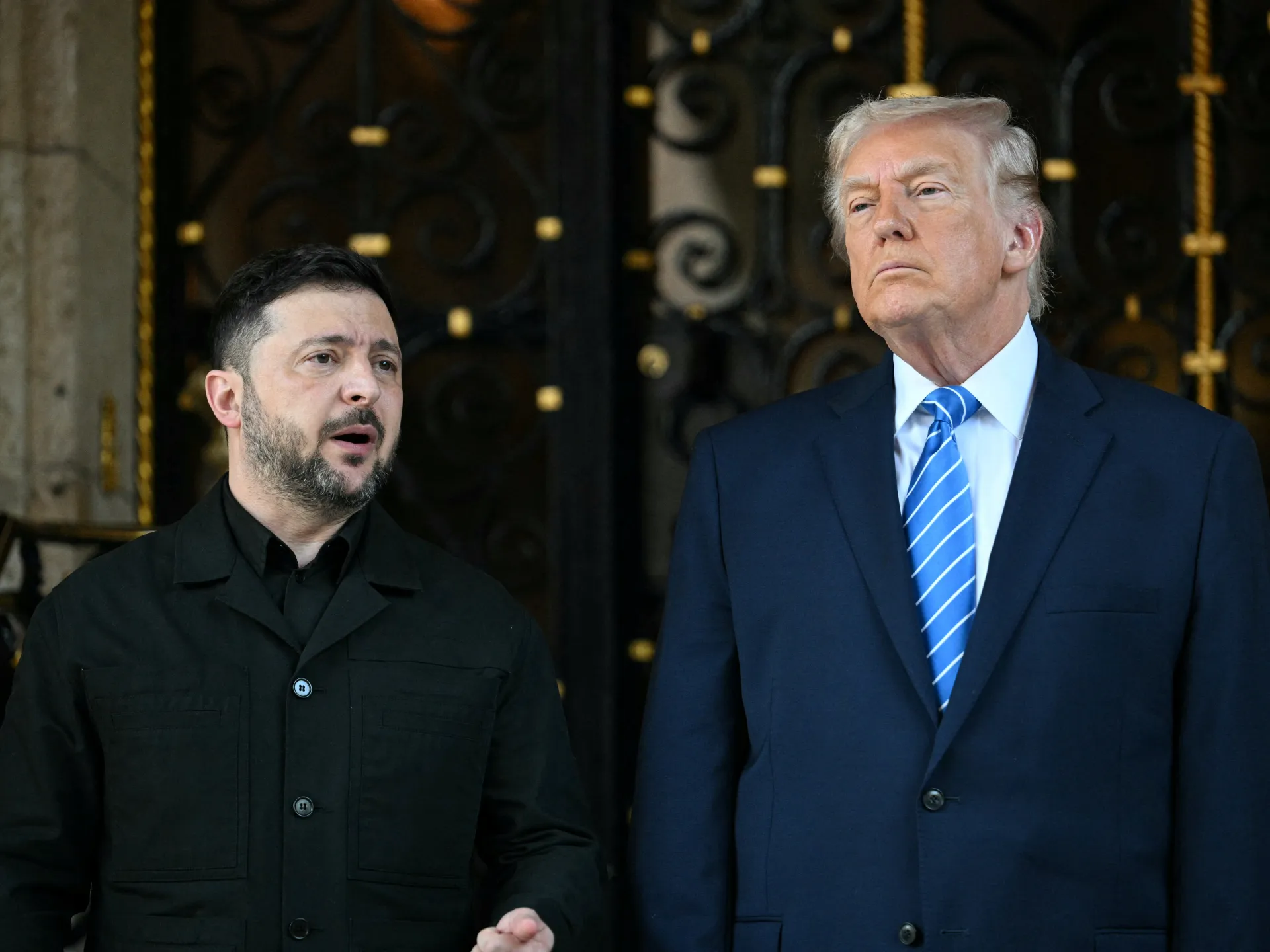
Photo: Al Jazeera
High-Level Talks Show Signs of Progress
President Donald Trump said discussions aimed at ending the Russia Ukraine war moved forward following his in person meeting with Ukrainian President Volodymyr Zelenskyy in Florida. Speaking to reporters after the talks, Trump expressed optimism that negotiations are approaching a decisive phase, while acknowledging that major challenges remain unresolved.
Trump described the dialogue as constructive and suggested the sides are closer to an agreement than at any point in recent months. However, he emphasized that the most sensitive issues, particularly territorial control, continue to complicate the path to a final deal.
Security Guarantees Take Center Stage
Zelenskyy characterized the meeting as highly productive, highlighting what he said was full agreement on the importance of U.S.-Ukraine security guarantees as a foundation for lasting peace. While Trump confirmed progress on this front, he offered a more cautious assessment of how finalized those commitments currently are.
Both leaders agreed that security assurances will be a central pillar of any peace framework, particularly as Ukraine seeks long term protection against future aggression. Zelenskyy noted that discussions also covered economic cooperation and postwar reconstruction mechanisms.
Territory Remains the Core Obstacle
When pressed on unresolved issues, Trump pointed directly to land disputes as the primary sticking point. He acknowledged that some Ukrainian territory has already been seized by Russian forces and warned that additional areas could change hands if fighting continues.
Trump argued that delaying a deal could worsen Ukraine’s negotiating position, suggesting that compromise now may prevent further losses. Territorial questions remain politically sensitive for Kyiv, especially regarding the Donbas region, which Moscow continues to claim in its entirety.
Diplomatic Activity Accelerates
Zelenskyy confirmed that Trump plans to host additional meetings next month involving Ukrainian and European leaders as efforts intensify to finalize a comprehensive peace plan. The proposal under discussion reportedly includes around 20 points and is said to be roughly 90% complete, though significant elements still require consensus.
Trump also revealed that he held a productive phone call with Russian President Vladimir Putin ahead of the Zelenskyy meeting and intends to speak with him again following the Florida talks. These parallel diplomatic channels underscore Washington’s attempt to act as a central broker between both sides.
Battlefield Pressure and Escalation Risks
The negotiations come against the backdrop of continued military escalation. Over the weekend, Russia launched hundreds of missiles and drones at Kyiv and other regions, damaging energy infrastructure and disrupting electricity and heating supplies. Zelenskyy described the strikes as a direct response to U.S.-led peace efforts.
Moscow has claimed further territorial gains in eastern Ukraine in recent months, strengthening its leverage at the negotiating table. Russian officials have consistently demanded that Ukraine relinquish all of the Donbas, including areas still under Kyiv’s control.
Russian Position and Ceasefire Disputes
A senior Kremlin official said Washington and Moscow share opposition to a temporary ceasefire, arguing that such pauses only prolong the conflict. The official suggested that a lasting settlement would require Ukraine to make what he described as a bold decision regarding disputed territories.
This position clashes with European proposals that support a ceasefire as a precursor to referendums or phased political solutions. The divide highlights the difficulty of aligning U.S., European, Ukrainian, and Russian priorities within a single framework.
Political Context and Past Tensions
The Florida meeting took place at Trump’s Mar a Lago resort and was conducted publicly, with media present. The encounter follows a turbulent history between the two leaders, including a contentious meeting earlier this year that centered on mineral and economic agreements and ended in public disagreement.
Despite past tensions, both sides now appear focused on accelerating diplomacy before the end of the year. Zelenskyy described the current period as one of the most active diplomatic phases of the conflict, stressing that outcomes will depend heavily on sustained pressure on Russia and continued support from Ukraine’s allies.
As talks intensify, optimism is rising, but the final shape of any agreement remains uncertain, with territory, security guarantees, and enforcement mechanisms still firmly at the center of negotiations.
.webp)
Popular articles



Subscribe to unlock premium content
Iceland’s Geothermal Revolution
Bali’s Digital Detox Revolution

Step Into the Future of Art

Iceland’s Geothermal Revolution
Bali’s Digital Detox Revolution
Iceland’s Geothermal Revolution