Trump Set to Reveal Next Federal Reserve Chair After Months-Long Search to Replace Jerome Powell

Trump Set to Reveal Next Federal Reserve Chair After Months-Long Search to Replace Jerome Powell
By
Alina Sinclair
Last updated:
January 30, 2026
First Published:
January 30, 2026

Getty Images
Trump Confirms Friday Announcement for New Fed Chair
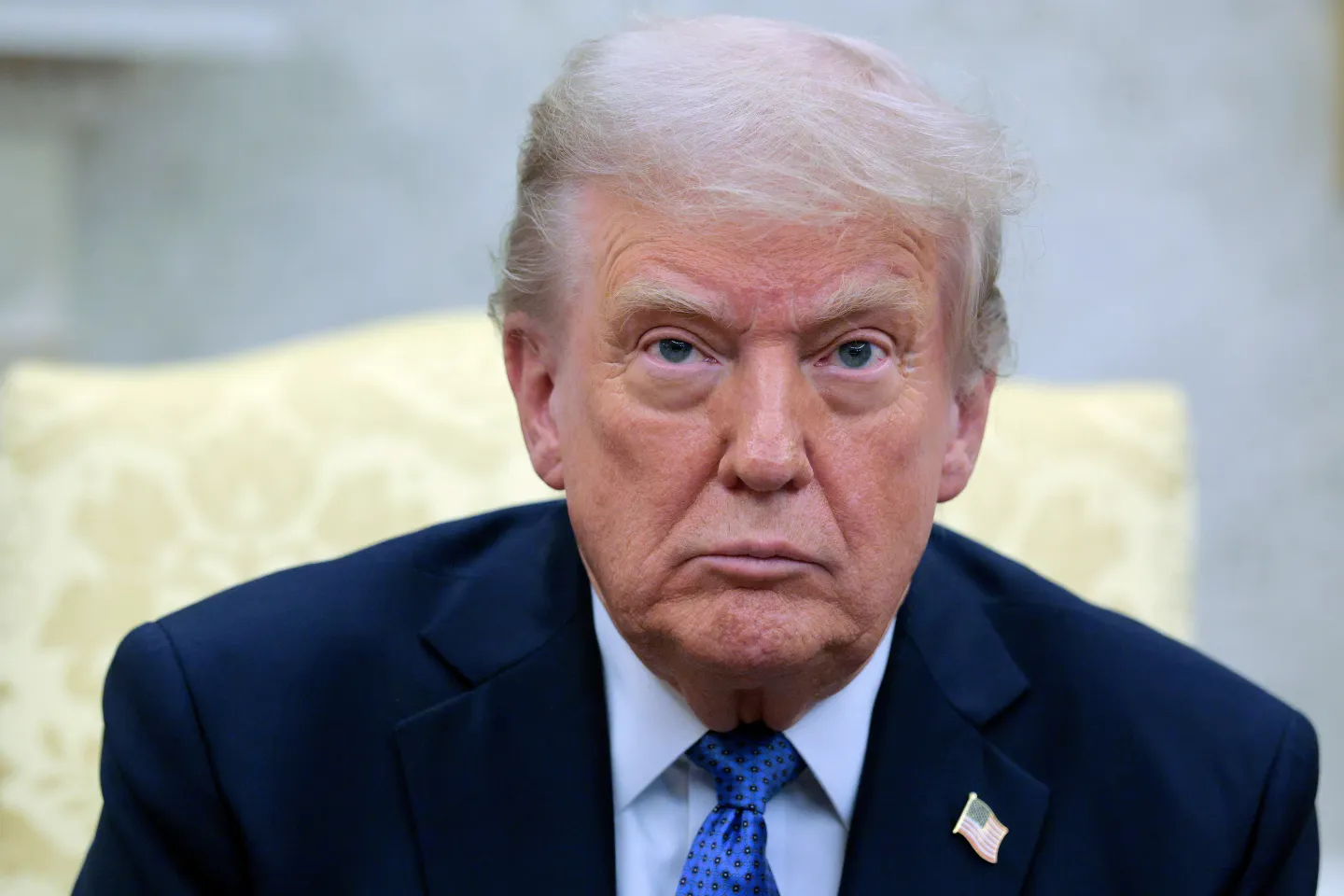
President Donald Trump said he will announce his choice for the next Chair of the Federal Reserve on Friday morning, bringing to a close a selection process that has stretched across several months and drawn intense attention from Wall Street, economists, and global markets.
Speaking Thursday evening at the premiere of Melania, a film centered on First Lady Melania Trump, the president confirmed that the decision is imminent.
“I’ll be announcing the Fed chair tomorrow morning,” Trump told reporters, adding that after such a long search, he was ready to finalize the choice. “I do have someone in mind. After this much work, you have to.”
The appointment will determine who succeeds Jerome Powell as chair when Powell’s term ends in May. The role is one of the most powerful economic positions in the world, overseeing U.S. monetary policy, interest rates, and financial system stability at a time when inflation, growth, and global uncertainty remain front and center.
From 11 Candidates to a Final Four
The vetting process began in September with an initial field of roughly 11 candidates. The group included former and current Federal Reserve officials, prominent economists, and senior figures from Wall Street and asset management.
Treasury Secretary Scott Bessent led the screening effort, narrowing the list first to five and then to four finalists after multiple rounds of interviews and internal reviews.
According to people familiar with the process, the final shortlist includes:
- Kevin Warsh, former Federal Reserve Governor and a longtime figure in central banking circles
- Kevin Hassett, Director of the National Economic Council and a key architect of Trump-era economic policy
- Christopher Waller, a current Federal Reserve Governor known for his views on inflation and monetary tightening
- Rick Rieder, BlackRock’s Chief Investment Officer for Global Fixed Income, who oversees hundreds of billions of dollars in assets
Each finalist brings a distinct background, ranging from central banking experience to fiscal policy leadership and private-sector investing.
Markets Weigh In as Betting Odds Swing Sharply
As anticipation has built, prediction markets have actively tracked the race. For weeks, Kevin Hassett had been seen as the front-runner, before momentum shifted toward Kevin Warsh and then Rick Rieder.
By Thursday evening, however, sentiment swung sharply again. On Kalshi, Warsh surged to roughly an 80% implied probability, making him the clear favorite just hours before Trump’s promised announcement.
Trump added fuel to speculation by noting that his pick is “somebody that could have been there a few years ago,” a remark widely interpreted as a reference to Warsh, who was reportedly a serious contender back in 2017 before Trump ultimately selected Powell.
An administration source confirmed that Warsh was seen at the White House on Thursday, though officials cautioned against drawing conclusions from that appearance alone.
White House spokesperson Kush Desai sought to tamp down the speculation, saying the president would make his decision public at the appropriate time and dismissing ongoing reporting as premature.
Why This Appointment Matters for the Economy
The Fed chair plays a central role in shaping U.S. economic conditions, guiding decisions on benchmark interest rates, quantitative tightening or easing, and regulatory oversight of the banking system.
The timing of this transition is especially critical. The Federal Reserve has spent the past several years battling inflation through aggressive rate hikes, lifting borrowing costs to levels not seen in more than two decades. Investors are now closely watching for signals on when rate cuts might begin and how quickly policy could ease.
A new chair could influence the pace of future rate changes, the Fed’s communication strategy, and its approach to balancing inflation control with economic growth. Equity markets, bond yields, mortgage rates, and the U.S. dollar are all likely to react to Trump’s choice.
Analysts also note that Trump has frequently criticized Powell in the past for keeping rates too high, raising expectations that the incoming chair may favor a more growth-oriented stance.
Powell’s Future Remains Unclear
Jerome Powell’s term as Fed chair expires in May, but he technically has the option to remain on the Federal Reserve Board as a governor for an additional two years if he chooses. When asked recently about his plans, Powell declined to comment, leaving open the question of whether he will stay on in any capacity after stepping down as chair.
Powell has led the Fed through some of the most turbulent economic periods in modern history, including the pandemic, supply-chain disruptions, and the sharpest inflation surge in decades.
All Eyes on Friday Morning
With the announcement just hours away, investors, policymakers, and global markets are bracing for clarity on who will steer the Federal Reserve next.
Whether Trump selects a seasoned central banker like Warsh or Waller, a policy insider like Hassett, or a markets veteran like Rieder, the decision will shape U.S. monetary policy at a pivotal moment for the economy and could set the tone for growth, inflation, and financial stability well into the next decade.
.webp)
Popular articles



Subscribe to unlock premium content
Colombia’s Coffee Regions Are Becoming Luxury Travel Destinations Hidden in the Highlands

Chile’s Desert Skies Are Becoming the World’s Most Exclusive Destination
The Rise of Heritage Manor Stays in the United Kingdom Countryside
Colombia’s Coffee Regions Are Becoming Luxury Travel Destinations Hidden in the Highlands
Chile’s Desert Skies Are Becoming the World’s Most Exclusive Destination
Colombia’s Coffee Regions Are Becoming Luxury Travel Destinations Hidden in the Highlands