Trump Opens Second Term With High-Profile Vetoes, Blocking Bipartisan Infrastructure Bills

Trump Opens Second Term With High-Profile Vetoes, Blocking Bipartisan Infrastructure Bills
By
David Goldfarb
Last updated:
January 1, 2026
First Published:
January 1, 2026

Getty Images
First Vetoes Set a Confrontational Tone
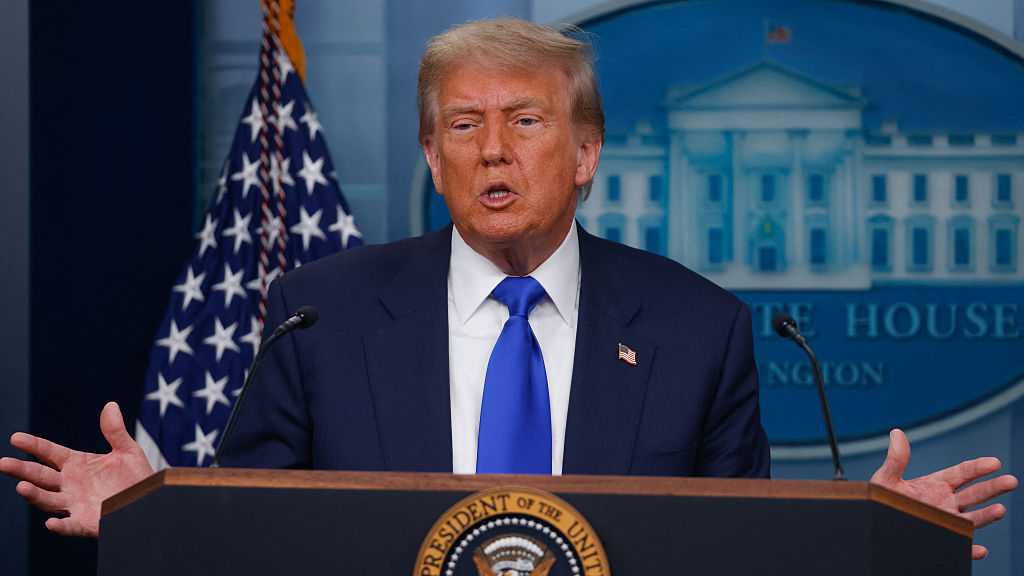
President Donald Trump issued the first vetoes of his second term on Tuesday, rejecting two bipartisan infrastructure bills that had sailed through Congress with broad support. The decisions immediately ignited political backlash, particularly in Colorado, where lawmakers accused the president of using executive power to settle political scores rather than advance public policy.
The vetoes halted federal support for infrastructure initiatives in Colorado and Florida, both of which had cleared Congress with little to no opposition. The move contrasts sharply with Trump’s first term, during which he vetoed 10 bills in total and did not issue his first veto until two years into office.
Colorado Water Project at the Center of the Dispute
One of the vetoed measures, the Finish the Arkansas Valley Conduit Act, was approved unanimously by Congress earlier this month. The legislation aimed to lower the financial burden on rural Colorado communities by reducing the payments they must make to the federal government for the construction of the Arkansas Valley Conduit, a long-delayed pipeline project designed to deliver clean drinking water.
The pipeline would serve dozens of rural communities that have struggled for years with contaminated groundwater and unreliable water access. Supporters argue the project is essential public infrastructure, particularly as drought conditions and aging water systems intensify across the western United States.
In his veto message to Congress, Trump argued that the bill would unfairly shift costs to federal taxpayers. He said the project represented “failed policies of the past” and insisted that local water systems should be financed primarily by the communities that use them.
He added that his administration would not support what he described as expensive and unreliable spending commitments that increase the federal burden without delivering sufficient national benefit.
Lawmakers Cry Retaliation
Colorado lawmakers from both parties reacted swiftly and angrily. Several suggested the veto was politically motivated and tied to Trump’s long-running criticism of Colorado officials over the case of Tina Peters, a former county clerk convicted in state court for tampering with voting machines after the 2020 election.
Earlier this year, Trump publicly warned that Colorado would face consequences if Peters was not released, writing on Truth Social that he would take “harsh measures.” Although Trump issued a pardon for Peters in December, it had no legal effect because her conviction was at the state level.
Sen. Michael Bennet, a Democrat and candidate for Colorado governor, called the veto an act of political revenge, arguing that rural communities were being punished over an unrelated legal dispute. Sen. John Hickenlooper echoed that sentiment, accusing the president of putting partisanship ahead of basic infrastructure needs.
Republican Rep. Lauren Boebert, a close Trump ally, said the fight was not over and expressed hope that the veto was not linked to political retaliation. She later emphasized that lawmakers would continue pressing for the project to move forward.
Trump did not reference Peters in his formal veto explanation. However, a day later, he posted a sharply worded message on Truth Social condemning Colorado officials involved in her prosecution, reinforcing the perception among critics that the issues are connected.
Prospects for a Congressional Override
Because the Colorado bill passed unanimously, supporters believe it has a strong chance of surviving a veto override if congressional leadership allows a vote. Overriding a presidential veto requires a two-thirds majority in both the House and the Senate.
Rep. Jeff Hurd, a Colorado Republican, said he would continue working across party lines to revive the project and prevent rural communities from being left without safe drinking water. Congressional leaders have not yet confirmed whether they will schedule override votes.
Florida Everglades Measure Also Rejected
Trump’s second veto targeted the Miccosukee Reserved Area Amendments Act, a bill that passed Congress by voice vote. The legislation would have expanded the Miccosukee Reserved Area to include Osecola Camp, land located within Everglades National Park.
In his veto message, Trump said the bill conflicted with his administration’s immigration priorities and warned against using taxpayer funds for projects he described as benefiting special interests. He linked the decision to his broader policy agenda, particularly his focus on removing violent criminal illegal immigrants from the country.
Supporters of the bill argued that it was narrowly tailored, enjoyed bipartisan backing, and addressed longstanding land and sovereignty issues involving the Miccosukee Tribe.
A Sharper Governing Style Emerges
The twin vetoes signal a more aggressive use of executive authority early in Trump’s second term. Unlike his first term, where vetoes were relatively rare and often symbolic, these actions directly block infrastructure projects with tangible local economic and public health implications.
With bipartisan frustration mounting and override efforts looming, the vetoes have set the stage for an early power struggle between the White House and Congress, one that could shape the trajectory of infrastructure spending and federal-state relations in the months ahead.
.webp)
Popular articles



Subscribe to unlock premium content
Iceland’s Geothermal Revolution
Bali’s Digital Detox Revolution

Step Into the Future of Art

Iceland’s Geothermal Revolution
Bali’s Digital Detox Revolution
Iceland’s Geothermal Revolution