Trump Halts Major Offshore Wind Projects Threatening East Coast Energy Expansion

Trump Halts Major Offshore Wind Projects Threatening East Coast Energy Expansion
By
Leah Rosenfeld
Last updated:
December 23, 2025
First Published:
December 23, 2025

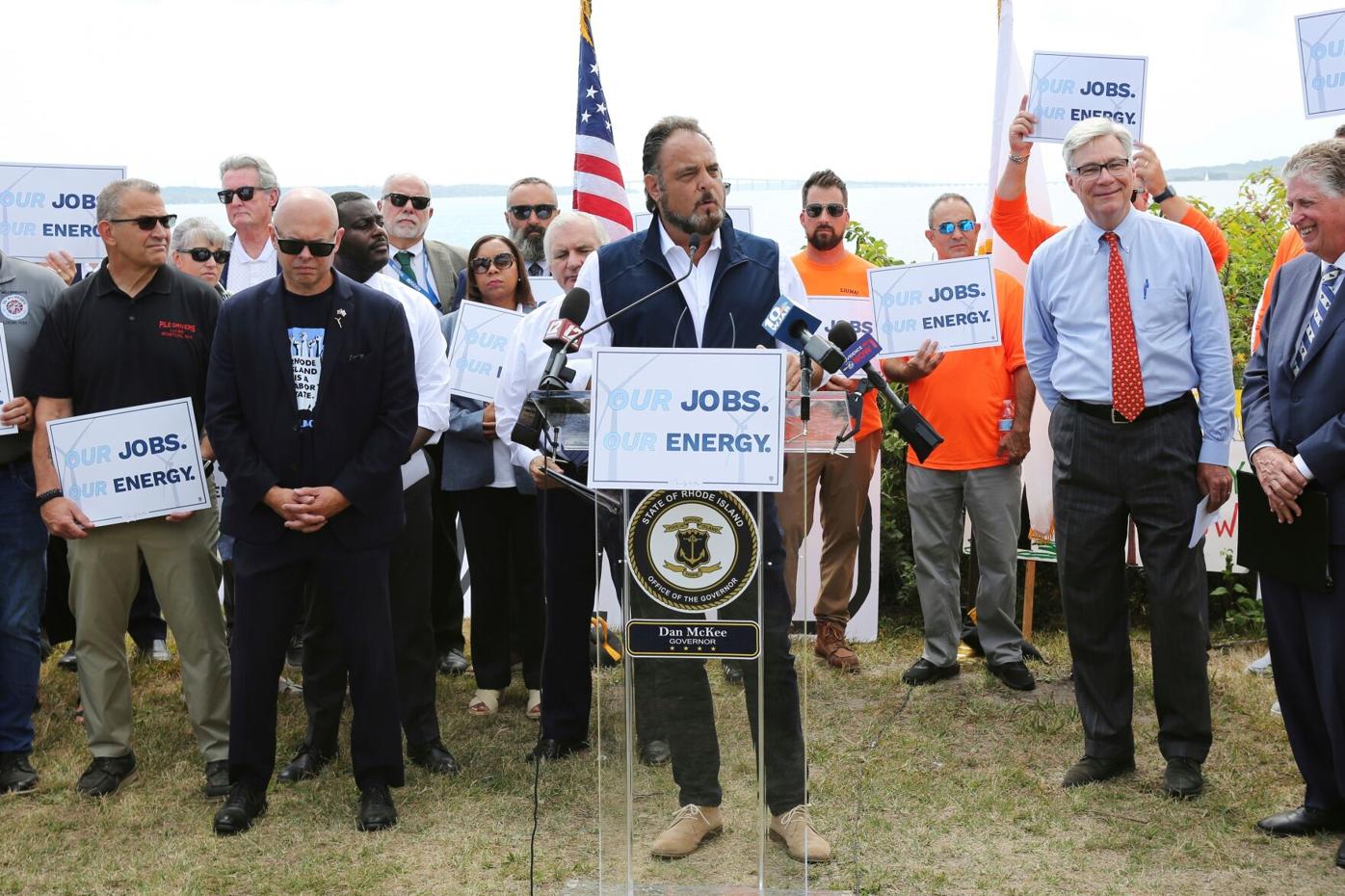
Photo: WDRB
The Trump administration has ordered a halt to several high-profile offshore wind projects along the U.S. East Coast, including the Coastal Virginia Offshore Wind (CVOW) project, the largest of its kind in the country. This move delivers a significant setback to the renewable energy industry and has already caused notable stock declines among major developers.
Shares of Dominion Energy, which is developing the Virginia project, fell nearly 4% following the announcement. Denmark’s Orsted, responsible for the Revolution Wind and Sunrise Wind projects, saw its shares drop 11%, while Norway’s Equinor, developer of Empire Wind 1, fell about 1%.
The projects impacted by the pause collectively would generate enough electricity to power more than 2 million homes. The Coastal Virginia Offshore Wind project alone, consisting of 176 turbines, was designed to supply power to over 600,000 homes and was expected to be operational next year. Dominion has emphasized the critical role of CVOW in supporting Virginia’s growing energy demands, particularly in Northern Virginia, which hosts the world’s largest hub for data centers. Rising electricity consumption driven by artificial intelligence and other digital infrastructure has made reliable power increasingly essential.
Interior Secretary Doug Burgum cited national security concerns identified by the Pentagon as the reason for the pause. According to the Interior Department, turbine blades and highly reflective towers can interfere with radar systems, creating clutter that obscures legitimate moving targets and generates false readings near the wind projects. The department stated that the pause would allow the federal government to “work with leaseholders and state partners to assess the possibility of mitigating the national security risks posed by these projects.”
The Trump administration has maintained a long-standing opposition to wind energy. Since his first day in office, Trump has targeted the sector, issuing orders to halt all new offshore and onshore wind leases pending federal review. Critics argue these actions threaten grid reliability, inflate energy costs, and jeopardize thousands of jobs. Dominion warned that stopping CVOW could compromise energy availability for critical military, AI, and civilian assets while increasing energy inflation across the region.
Political reactions have been sharply divided. Virginia Governor Glenn Youngkin, a Republican, supports the CVOW project, highlighting its importance for the state’s energy needs. Incoming Governor Abigail Spanberger, a Democrat, campaigned on expanding renewable energy to counter rising electricity costs. Meanwhile, Senate Minority Leader Chuck Schumer criticized the administration’s decision as “irrational” and a step backward in addressing soaring energy costs.
The Trump administration’s offshore wind policy has faced legal challenges. On December 8, U.S. District Judge Patti Saris ruled that one of Trump’s previous orders targeting wind projects was “arbitrary and capricious and contrary to law,” reflecting ongoing tensions between federal energy policy, national security concerns, and renewable energy expansion.
.webp)
Popular articles



Subscribe to unlock premium content
Iceland’s Geothermal Revolution
Bali’s Digital Detox Revolution

Step Into the Future of Art

Iceland’s Geothermal Revolution
Bali’s Digital Detox Revolution
Iceland’s Geothermal Revolution