Treasury Chief Predicts Strong 2026 Growth Despite Housing and Rate-Sensitive Weakness

Treasury Chief Predicts Strong 2026 Growth Despite Housing and Rate-Sensitive Weakness
By
David Goldfarb
Last updated:
November 24, 2025
First Published:
November 30, 2025

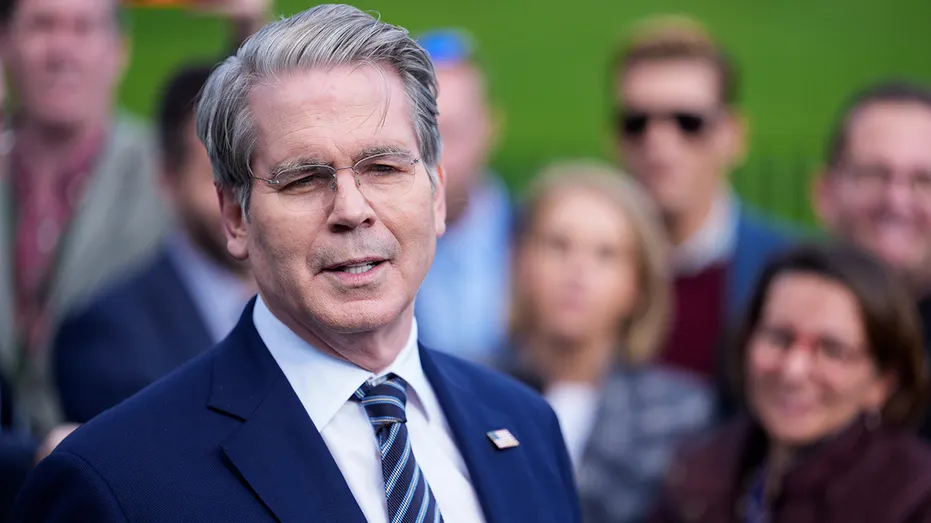
Photo: Fox Business
Treasury Secretary Scott Bessent offered an upbeat outlook for the U.S. economy, insisting that the country is not headed for a recession in 2026. Speaking on NBC’s “Meet the Press,” he said the groundwork laid by the Trump administration’s tax, trade and spending initiatives was setting the stage for “noninflationary, broad-based growth.” While he acknowledged that several sectors remain under pressure—especially housing and industries tied to borrowing costs—Bessent argued that the overall trajectory points toward stronger consumer conditions over the next two years.
Trump Administration Policies and Their Expected Impact
Central to Bessent’s optimism is the rollout of the One Big, Beautiful Bill Act, a sweeping spending and tax measure that spreads trillions of dollars in provisions across households and businesses. Much of the legislation has yet to take full effect, which he said means many Americans still haven’t experienced the benefits.
Key features include the permanent extension of the 2017 Trump tax cuts, an expanded state and local tax deduction, a senior bonus credit designed to offset Social Security taxes, and targeted relief for tip workers, overtime earners, and borrowers facing higher auto loan payments. According to Bessent, these measures are intended to put more disposable income directly into the hands of working families and retirees.
Bessent also said the administration expects health-care costs to ease, stating that additional policy announcements to address medical expenses will be unveiled within days. Rising health costs remain a top concern for U.S. households, and current congressional gridlock involving Affordable Care Act subsidies threatens to push premiums higher for millions until a legislative resolution is reached.
Sectors Showing Stress
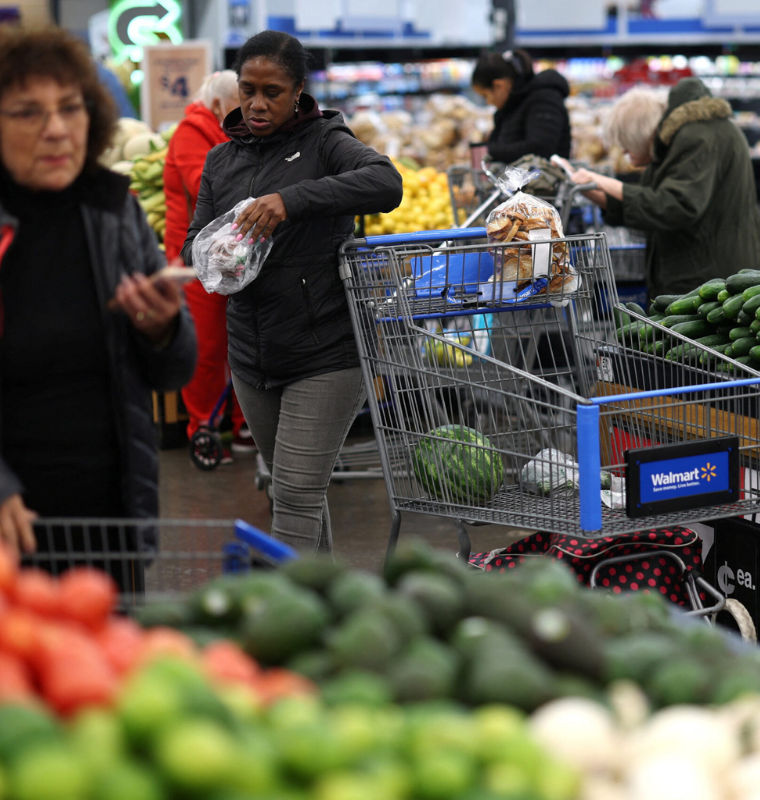
Despite his positive long-term outlook, Bessent did not dismiss the challenges facing certain parts of the economy. He pointed to the housing market, where elevated mortgage rates continue to depress affordability, inventory turnover, and new construction. Rate-sensitive industries—including commercial real estate, auto financing, and discretionary consumer credit—are also dealing with the cumulative pressure of years of higher borrowing costs.
On inflation, Bessent said that while goods inflation has cooled substantially, services inflation remains sticky, driven by labor-heavy industries and housing-related shelter costs. He suggested that easing energy prices could help suppress headline inflation further in the coming months, helping consumers manage household budgets more easily.
Other Economic Signals and Political Context
Kevin Hassett, Director of the White House National Economic Council, warned that economic data for the fourth quarter may show weaker-than-expected results due to the record-setting 43-day government shutdown. The shutdown’s drag on federal operations, consumer confidence and business sentiment could distort near-term indicators.
An NBC News poll found that nearly two-thirds of registered voters believe the Trump administration has fallen short on handling the economy and the cost of living. These concerns are amplified by household income disparities, which heavily shape perceptions of financial stability.
JPMorgan’s latest Cost of Living Survey highlighted a clear divide. High-income respondents rated their confidence at an average of 6.2 out of 10, with most giving scores between 7 and 10. Low-income respondents, facing steeper challenges with rent, groceries, utilities and transportation, averaged a significantly lower confidence score of 4.4.
Outlook for 2026
Bessent reiterated that he sees “very strong momentum” building toward 2026 as tax reforms, consumer incentives, supply-side investments and trading policy shifts solidify. While he conceded that certain industries remain vulnerable and inflation pressures within the services sector persist, he maintained that the broader U.S. economy is positioned for expansion rather than contraction.
His message underscored a recurring theme: short-term challenges exist, but the administration’s long-term strategy is designed to deliver stability, higher purchasing power and a healthier financial environment for American households leading into 2026 and beyond.

Popular articles


Subscribe to unlock premium content
London’s Gourmet Playgrounds

From Bean to Buzz in Thailand

The Secret Life of Pop-Up Luxury Restaurants in Paris

London’s Gourmet Playgrounds
From Bean to Buzz in Thailand
London’s Gourmet Playgrounds