Travel in 2026 Will Be Defined by Meaning Not Miles

Travel in 2026 Will Be Defined by Meaning Not Miles
By
Rachel Steinberg
Last updated:
December 26, 2025
First Published:
December 26, 2025


Photo: BBC
Travel in 2026 is no longer centered on ticking destinations off a list. It is increasingly about how a trip feels, what it delivers emotionally, and how seamlessly it fits into a traveler’s life. As the global travel sector fully resets after the pandemic years, experience-led journeys are replacing volume tourism, and personalization is overtaking scale.
An analysis of dozens of global travel outlooks, industry forecasts, and operator reports reveals five major shifts that will define how people travel in the year ahead.
The rise of the anti-tourist traveler
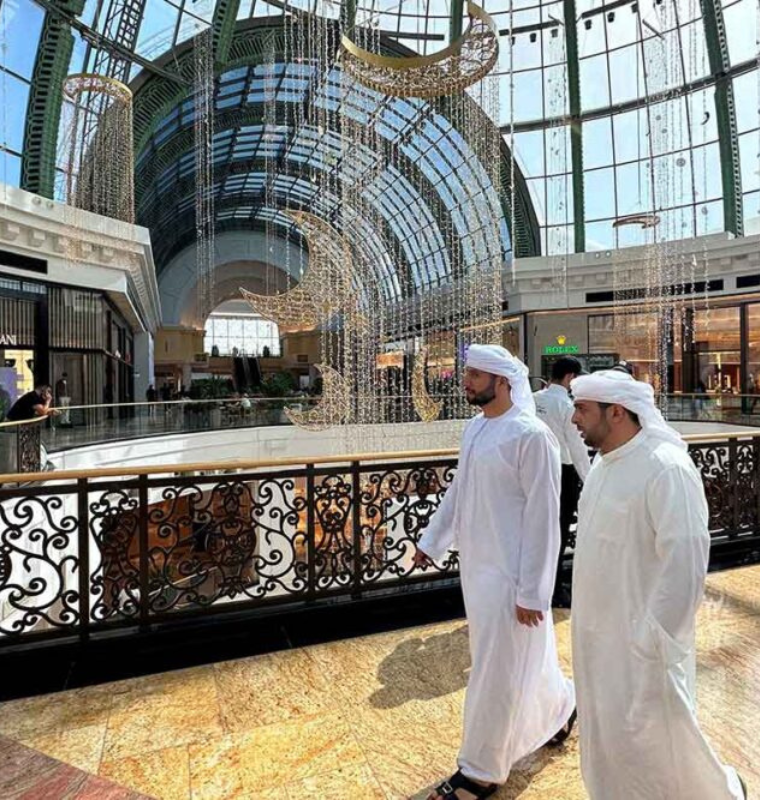
More travelers are actively avoiding peak crowds, extreme weather, and overtourism. Instead of chasing famous landmarks at the busiest times, they are opting for shoulder seasons, lesser-known destinations, and slower itineraries that feel more authentic and responsible.
Nearly half of luxury travel advisors say their clients are already changing plans due to climate concerns, with over three-quarters reporting growing demand for off-season travel. Destinations with milder temperatures and lower environmental strain are seeing increased interest, while overcrowded hotspots are losing appeal.
This shift is accelerating the rise of so-called secondary cities. These locations sit outside traditional tourism centers and offer deeper cultural immersion at lower costs. In Asia, accommodation searches in secondary destinations are growing roughly 15 percent faster than in established hubs. Governments are responding as well, investing heavily in regional tourism strategies to spread visitor flows beyond overburdened capitals and beach destinations.
Decision-free holidays take center stage
Modern travelers are arriving at their vacations already mentally exhausted. As a result, many are deliberately giving up control and outsourcing decisions to trusted providers.
All-inclusive travel has evolved from a value play into a wellness and mental health solution. Rather than optimizing itineraries themselves, travelers want curated experiences where logistics, pricing, and daily planning are handled for them.
Industry analysts note that decision-light travel is becoming a baseline expectation, particularly among professionals with high workloads and limited time off. In the luxury segment, this has translated into tightly designed journeys with fewer options but higher quality execution, allowing guests to fully disengage without worrying about choices, schedules, or surprise costs.
Wellness travel becomes science-driven
Wellness tourism is expanding far beyond spas and massages. In 2026, the category increasingly blends physical health, mental resilience, and long-term longevity.
Travelers are seeking programs built around measurable outcomes, including stress reduction, mobility, sleep optimization, and preventive health. Offerings range from Ayurvedic and traditional medicine retreats to adventure-based wellness trips combining fitness with nature.
Younger travelers are fueling this growth. Around two-thirds of U.S. travelers under 35 say they prefer active trips involving hiking, cycling, or water sports, and more than half want to maintain wellness routines while traveling. At the same time, older travelers are also embracing wellness as a long-term investment, blurring traditional demographic boundaries.
Nostalgia reshapes travel motivations
Travel in 2026 is also deeply emotional. Younger generations are increasingly drawn to trips that reconnect them with childhood memories, family traditions, and familiar places.
Nearly eight in ten travelers under 35 say they have already recreated, or plan to recreate, a trip from their early years. This nostalgia-driven demand is influencing everything from destination marketing to accommodation design, with a renewed focus on simplicity, comfort, and shared experiences.
At the other end of the age spectrum, newly retired and semi-retired travelers are embarking on extended “golden gap year” journeys. With fewer obligations, many are choosing months-long overland trips or extended cruises that are more adventurous and immersive than traditional retirement travel. Research suggests that roughly one in four retirees has taken, or would consider taking, a year-long trip.
AI transforms hotel service from reactive to predictive
Artificial intelligence is no longer just a booking tool. In 2026, it is becoming a core operating system for hotels.
The industry is shifting from responding to guest requests to anticipating them. Predictive systems analyze past stays, preferences, and behavioral data to personalize experiences before guests arrive. This can include room setup, wellness equipment, lighting preferences, proximity to amenities, and even daily schedule suggestions.
Hotels are increasingly allowing travelers to customize their stays down to granular details, while AI helps staff deliver this personalization at scale. Industry forecasts suggest that hyper-personalized service will soon be the default rather than a premium feature, fundamentally changing guest expectations across all price segments.
The bigger picture for 2026 travel
Taken together, these trends point to a travel industry that is becoming more intentional, data-driven, and emotionally aware. Travelers want fewer crowds, less friction, better health outcomes, and experiences that feel personal rather than transactional.
For airlines, hotels, tour operators, and destination managers, the message is clear. Success in 2026 will not be measured by volume alone, but by relevance, trust, and the ability to design journeys that respect both the traveler and the place being visited.
.webp)
Popular articles



Subscribe to unlock premium content
Iceland’s Geothermal Revolution
Bali’s Digital Detox Revolution

Step Into the Future of Art
Iceland’s Geothermal Revolution
Bali’s Digital Detox Revolution
Iceland’s Geothermal Revolution