Top Asset Manager Urges Gen Z to Move Beyond Casual Trading Mindset

Top Asset Manager Urges Gen Z to Move Beyond Casual Trading Mindset
By
Leah Rosenfeld
Last updated:
April 22, 2026
First Published:
April 25, 2026


Getty Images
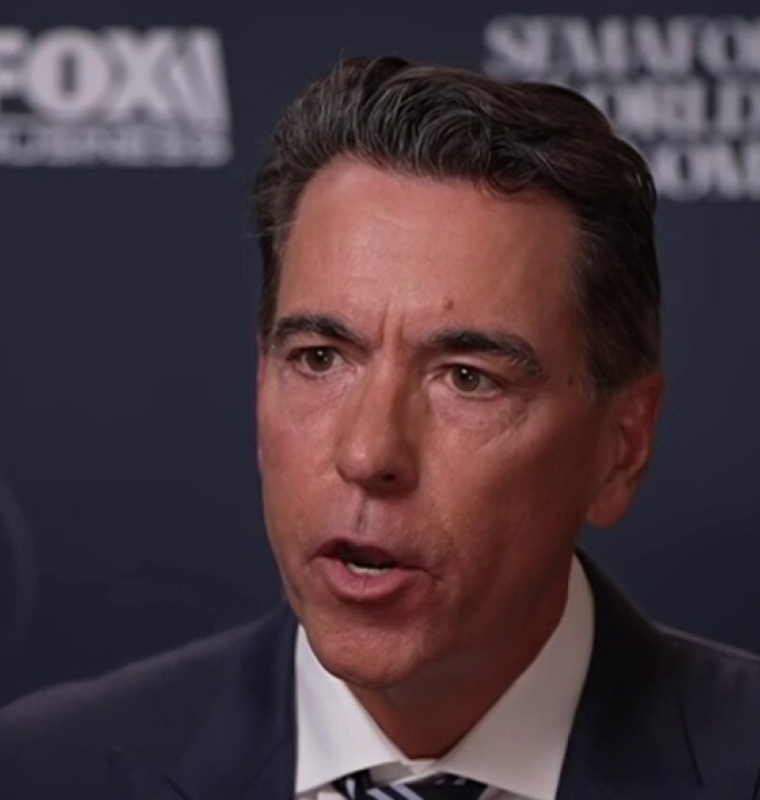
A leading voice in global asset management is calling on younger investors to rethink how they approach the stock market, warning that short-term, trend-driven trading—often described as “hobby investing”—may limit their long-term financial potential. With more than $3 trillion in assets under management, Capital Group CEO Mike Gitlin is encouraging Gen Z to adopt a more structured, research-driven investment strategy focused on sustainable wealth creation.
Gitlin’s message comes at a time when millions of young investors have entered financial markets through mobile trading platforms, many of them influenced by social media trends, viral stock picks, and short-term market momentum. While this surge has increased market participation, it has also raised concerns among seasoned investors about the lack of long-term planning and risk management among newer participants.
Instead of chasing quick gains, Gitlin advises building a “paper portfolio” as a starting point—a simulated investment approach that allows individuals to track multiple stocks, test strategies, and understand market behavior without risking real capital. This method can help young investors develop analytical skills, evaluate performance over time, and gain confidence before committing actual funds.
A key part of this strategy is focusing on fundamentals. Gitlin emphasizes the importance of analyzing company earnings, revenue growth, competitive positioning, and balance sheet strength rather than reacting to daily price fluctuations. Historical data supports this approach: long-term equity investors have typically seen average annual returns of 7 percent to 10 percent over decades, significantly outperforming short-term speculative strategies in most cases.
The shift toward disciplined investing is particularly relevant given the broader financial environment. Markets have become more volatile in recent years due to inflation, interest rate changes, and geopolitical uncertainty. For inexperienced investors, this volatility can lead to emotional decision-making—buying at peaks and selling during downturns—which erodes returns over time.
Another challenge highlighted by Gitlin is the growing trust gap between younger generations and traditional financial institutions. Surveys indicate that nearly 20 percent of Gen Z individuals who have not yet invested cite distrust in financial systems as a primary reason for staying out of the market. This skepticism has been fueled by past financial crises, increased transparency around institutional practices, and the rise of decentralized finance alternatives.
However, industry experts argue that avoiding markets altogether may come at a significant cost. With inflation averaging between 3 percent and 5 percent in many economies, holding cash over long periods can reduce purchasing power. Investing, when done strategically, remains one of the most effective ways to build wealth and achieve financial independence.
Gitlin’s broader message is not to discourage participation but to elevate it. By combining patience, education, and a long-term outlook, younger investors can position themselves to benefit from compounding returns, which can significantly multiply wealth over time. For example, a consistent annual return of 8 percent can double an investment in approximately nine years, illustrating the power of staying invested.
As financial markets continue to evolve, the next generation of investors will play an increasingly important role. Whether they approach investing as a disciplined strategy or a short-term activity could ultimately determine not only their individual outcomes but also broader market stability in the years ahead.
.webp)
Popular articles



Subscribe to unlock premium content
When Cartier Sets the Auction Stage Every Piece Becomes a Global Investment
Crystal Dreams in the Salt Flats

Frozen Opulence in Lapland

When Cartier Sets the Auction Stage Every Piece Becomes a Global Investment
Crystal Dreams in the Salt Flats
When Cartier Sets the Auction Stage Every Piece Becomes a Global Investment