This Climate Startup Is Turning Recycled Shower Water Into Beer to Rethink Water Use

This Climate Startup Is Turning Recycled Shower Water Into Beer to Rethink Water Use
By
Rachel Steinberg
Last updated:
January 7, 2026
First Published:
January 7, 2026

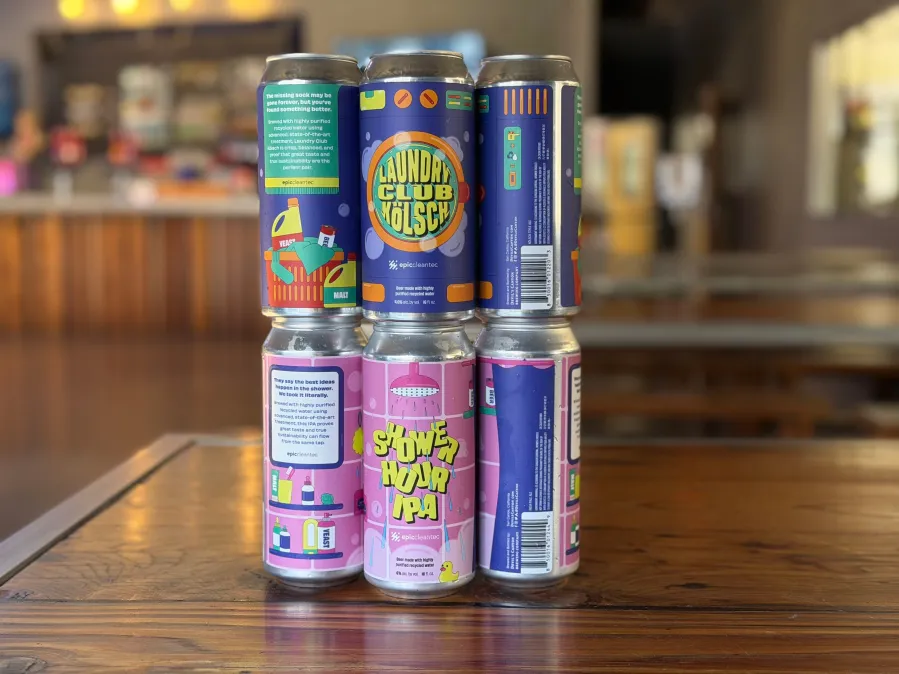
Photo: KOIN.com
From Wastewater to a Cultural Conversation
A San Francisco–based climate technology startup is using an unexpected product to push a serious message about water sustainability: beer brewed from recycled shower and laundry water.
Epic Cleantec, founded in 2015, built its business around decentralized wastewater recycling systems designed for apartment buildings and offices. Its technology captures water that would typically flow down the drain, treats it on-site, and makes it suitable for reuse. Now, the company is taking that concept beyond buildings and into consumer culture to challenge long-standing assumptions about recycled water.
Why Beer Became the Messenger
Epic’s leadership says the decision to make beer was less about novelty and more about psychology. The company found that while many people are told recycled water is safe, trust often lags behind science. Presenting that same water in a familiar, enjoyable format helped break down resistance.
By transforming reclaimed water into a consumer product, Epic aims to normalize the idea that properly treated wastewater is not only safe but valuable. The beer serves as a conversation starter that opens the door to broader discussions about water scarcity, infrastructure, and climate resilience.
How the Water Is Treated
The process begins inside buildings equipped with Epic’s systems. Only water from showers and laundries is collected, avoiding more heavily contaminated sources. That water then goes through multiple treatment stages, including filtration, biological processing, membrane separation, granular activated carbon, reverse osmosis, and final disinfection.
The result is ultra-purified water that meets strict quality standards. That water is then transported to Devil’s Canyon Brewing Company, where it is used to produce Epic’s beers under conventional brewing protocols.
Brewing With Sustainability in Mind
Epic currently offers two beers: Shower Hour IPA and Laundry Club Kölsch. The company says the sustainability focus extends beyond water. The beers are made with drought-resistant, energy-efficient hops, grains, and yeast, reducing the environmental footprint of the brewing process from start to finish.
Water use is a major issue in brewing. On average, about 10 gallons of water are required to produce a single gallon of beer when factoring in cleaning, cooling, and processing. By substituting recycled water for freshwater, Epic significantly reduces that demand, highlighting the potential impact of reuse at scale.
Distribution and Market Reach
The beers are available for online purchase in a wide range of U.S. states, including California, Virginia, Oregon, Ohio, Kentucky, Vermont, New Hampshire, Nebraska, North Dakota, Rhode Island, Alaska, and Washington, D.C. They are also sold at select retail locations within California.
While distribution remains limited, the company views the beer primarily as an educational tool rather than a mass-market beverage play.
The Bigger Water Problem
Epic’s broader mission centers on reducing reliance on freshwater supplies. Buildings account for roughly 15 percent of global freshwater use, making them a critical target for conservation efforts. By recycling water on-site, Epic’s systems can dramatically cut demand while easing pressure on aging municipal infrastructure.
The company argues that solving water scarcity requires more than engineering. It requires changing how people think about water and how comfortable they are with reuse.
Investors and Industry Interest
Epic Cleantec has raised approximately $25 million in total funding from three family offices and investment groups including J-Ventures, J-Impact, and Echo River Capital. Early backers were initially drawn to the building-focused recycling model, but the beer initiative has brought unexpected visibility.
One early investor, who now serves the beer at large-scale events, said the idea initially felt like a gimmick but quickly proved its value by generating widespread attention and curiosity about water reuse.
What Comes Next
While Epic continues to scale its building-based water recycling systems, the company is also exploring new product ideas, including a nonalcoholic beer made with recycled water. The goal remains the same: to make water reuse tangible, relatable, and socially acceptable.
In an era of increasing droughts and climate stress, Epic’s unconventional approach underscores a simple message. Clean water is too valuable to use once and throw away.
.webp)
Popular articles



Subscribe to unlock premium content
Iceland’s Geothermal Revolution
Bali’s Digital Detox Revolution

Step Into the Future of Art

Iceland’s Geothermal Revolution
Bali’s Digital Detox Revolution
Iceland’s Geothermal Revolution